Sagarmatha National Park (Mt Everest)
Dublin Core
Title
Sagarmatha National Park (Mt Everest)
Subject
Immovable Culture Heritage
Description
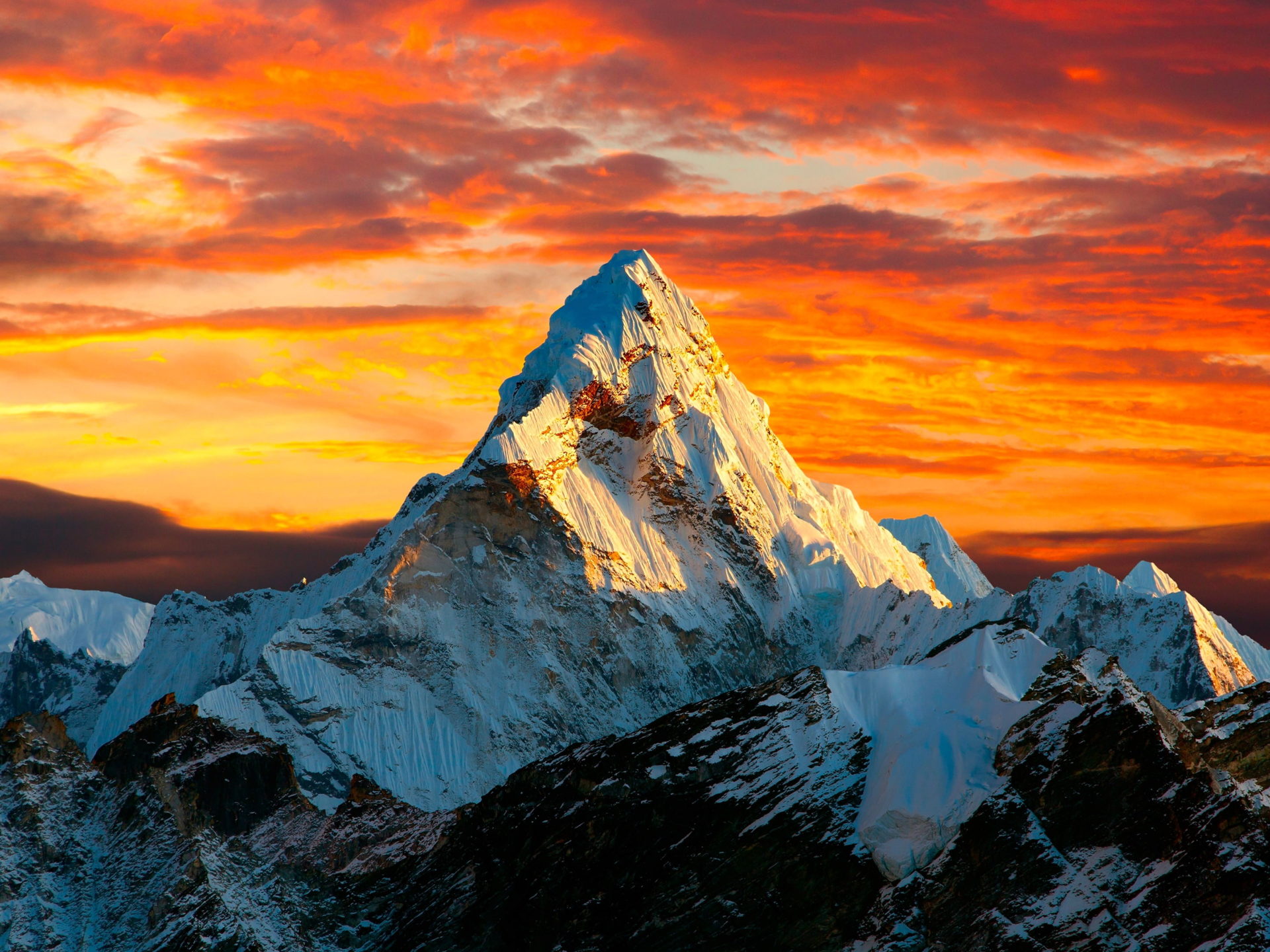
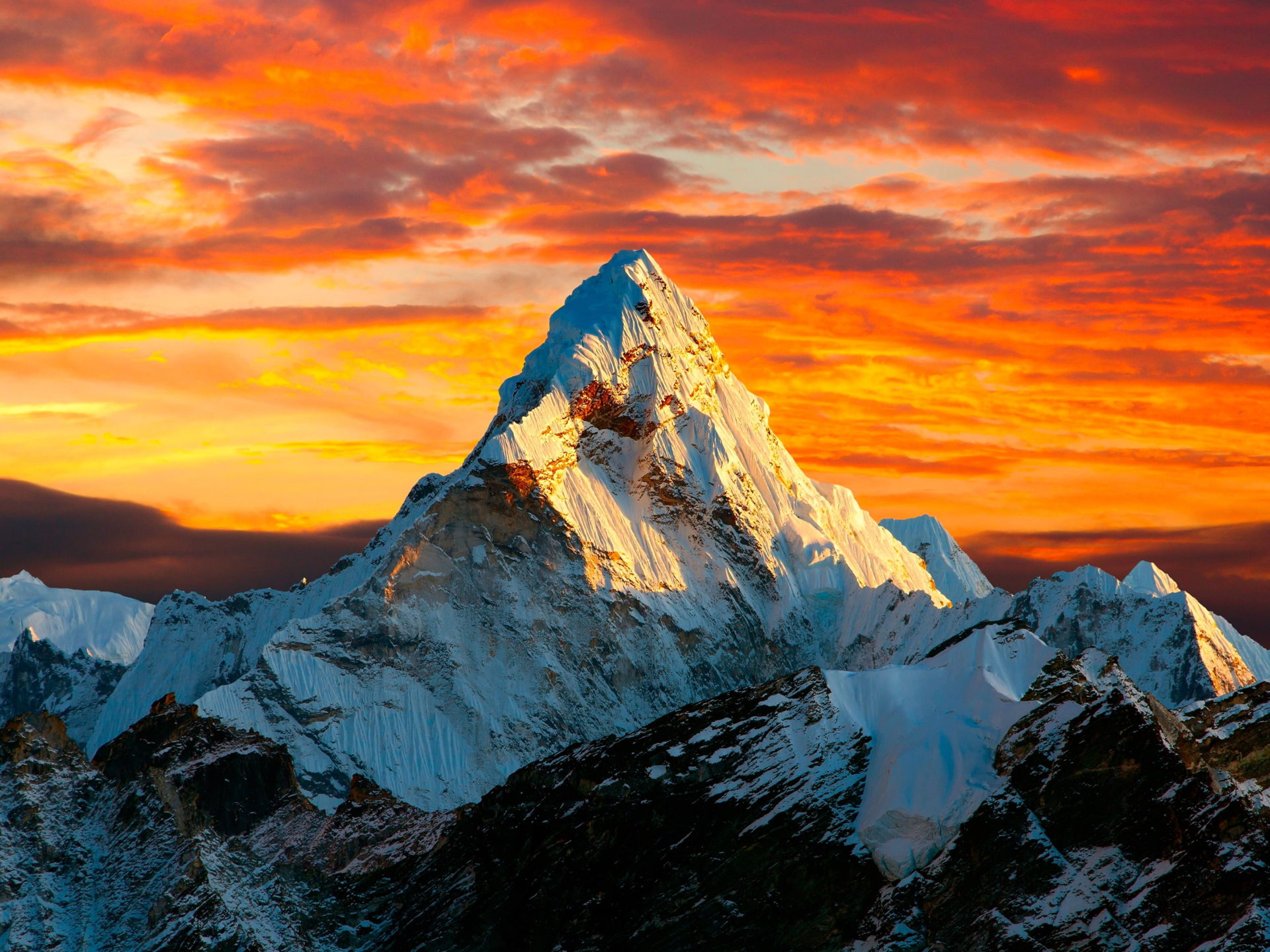
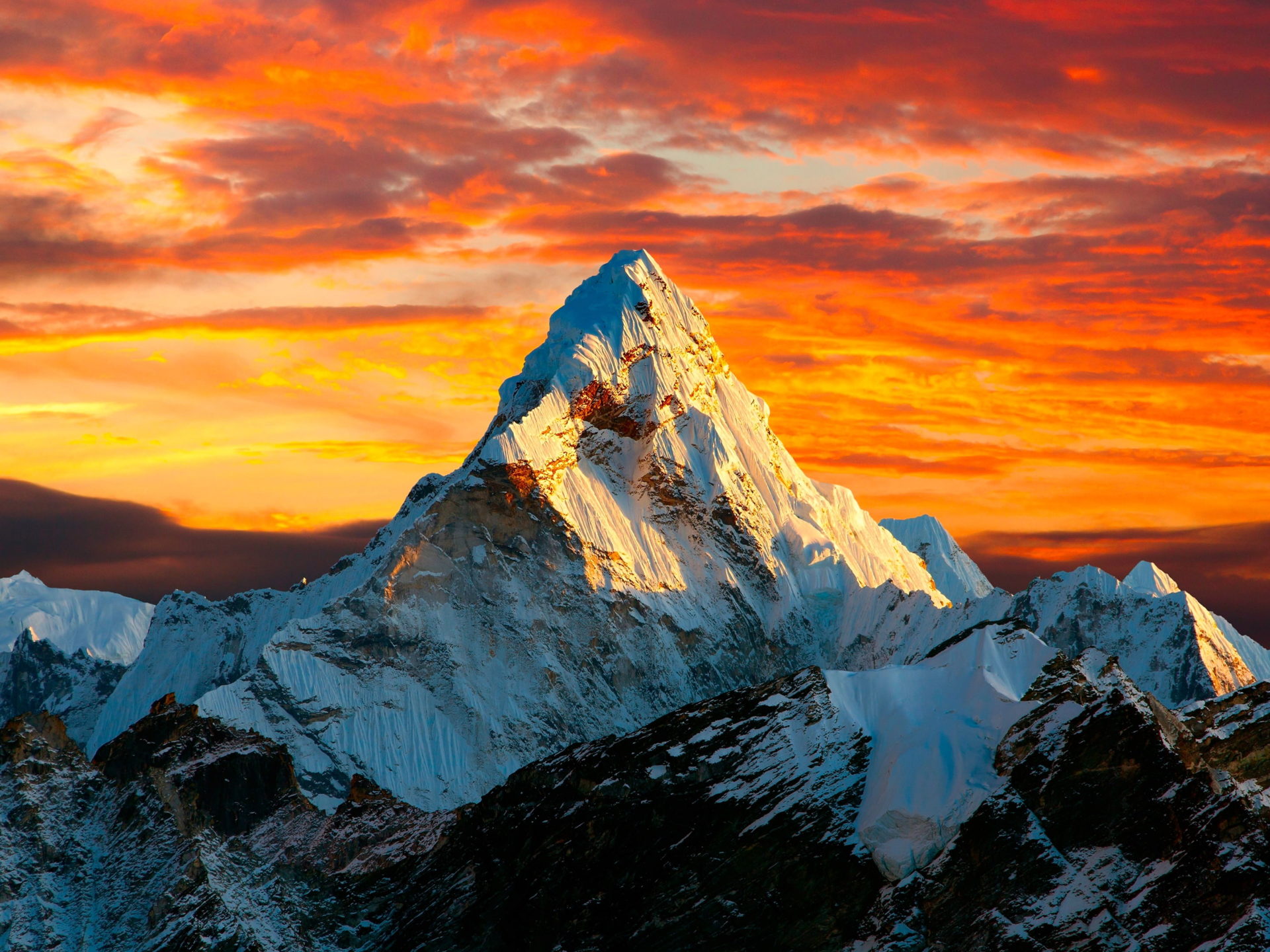
Known for its distinctive ecological and cultural features, Sagarmatha National Park in Nepal's
eastern Himalayas is a UNESCO World Heritage Site and can be considered as a tangible,
immovable natural heritage site. The park, which is 1,148 square kilometres in size, is home to
Mount Everest and some of the highest mountains in the world, as well as a wide variety of plants
and animals. The park serves as a crucial home for endangered animals including the snow
leopard, musk deer, and Himalayan black bear. The Sherpa people, who have long since inhabited
the area still follow their traditional way of life and religion. The Park is a well-liked tourist
attraction because of its value both ecologically and culturally. The park provides hiking and
mountaineering options as well as cultural experiences like touring Sherpa communities and
monasteries which promote Buddhism.
Climate change is impacting the melting of glaciers in this region. If the current global temperatures tend to increase, half of the world's glaciers will be vanished.
Source
is51102023
Contributor
asgs1@st-andrews.ac.uk
Type
Site
Identifier
571
Date Submitted
27/03/2023
Date Modified
03/27/2023 11:19:17 am
Extent
cm x cm x cm
Spatial Coverage
current,27.93266030857823 ,86.70132500240616;
Europeana
Europeana Data Provider
Sagarmatha National Park (Mt Everest)
Europeana Type
TEXT
Site Item Type Metadata
Institutional nature
Building
Contact
asgs1@st-andrews.ac.uk
Collection
Citation
“Sagarmatha National Park (Mt Everest),” STAGE, accessed October 16, 2026, https://stage.openvirtualworlds.org/omeka/items/show/1048.
Embed
Copy the code below into your web page