Potala palace
Dublin Core
Title
Potala palace
Subject
Immovable Culture Heritage
Description
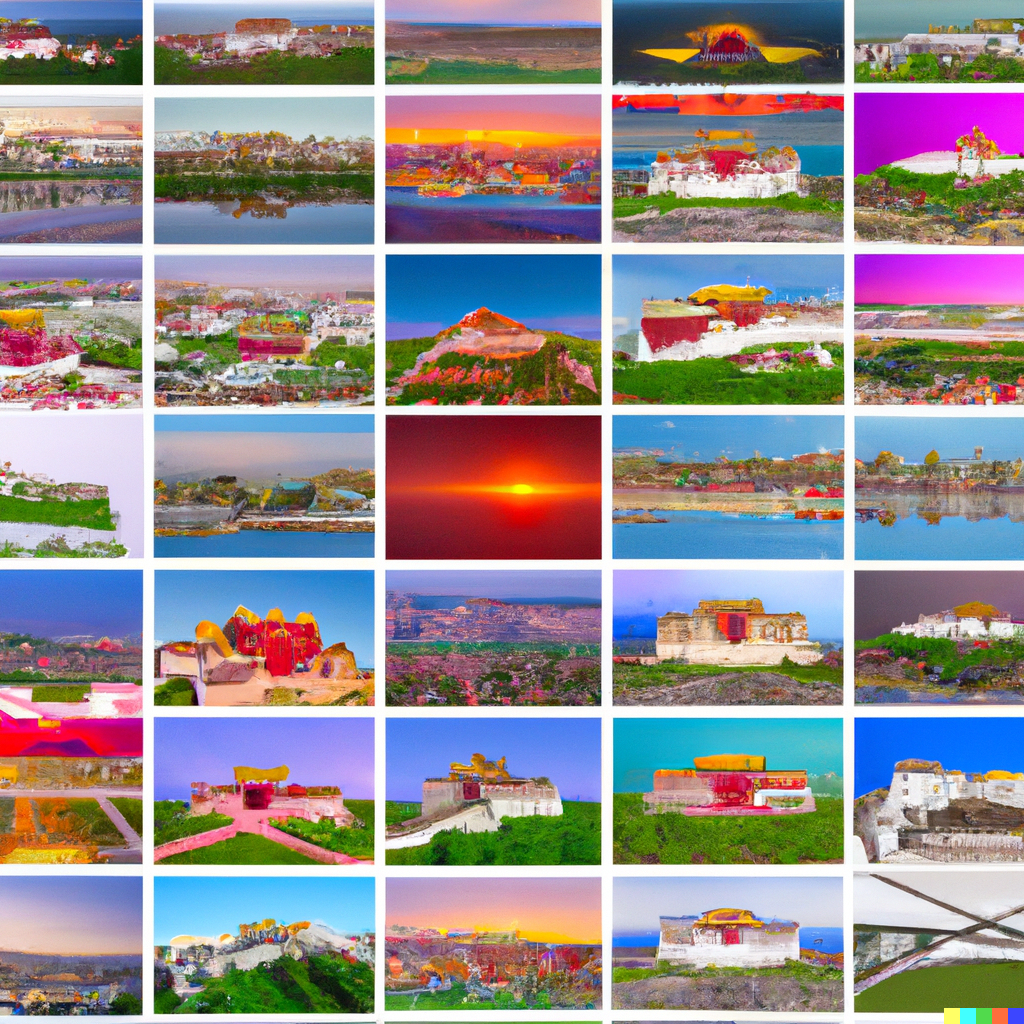
The Potala Palace, an awe-inspiring architectural marvel, is situated on the Red Hill in Lhasa, the capital city of Tibet. With its majestic white and red facades, this UNESCO World Heritage Site dominates the skyline, emanating a sense of grandeur and spiritual significance. Built in the 7th century under the reign of King Songtsen Gampo, the palace was expanded during the 17th century by the Fifth Dalai Lama, transforming it into the winter residence for successive Dalai Lamas.
Spanning over 13 hectares, the palace comprises two main sections, the White Palace (Potrang Karpo) and the Red Palace (Potrang Marpo), which are connected by a central courtyard. The White Palace houses the living quarters, offices, and ceremonial halls for the Dalai Lamas, while the Red Palace is dedicated to religious functions, comprising of sacred shrines, chapels, and tombs of the previous Dalai Lamas.
A remarkable feature of Potala Palace is its harmonious blend of traditional Tibetan architecture and design, combined with influences from Chinese and Indian styles. The complex stands 13 stories high with more than 1,000 rooms, adorned with intricate murals, exquisite carvings, and priceless artifacts, reflecting the rich Tibetan culture and history.
The palace, once the center of Tibetan government and Buddhism, is now a renowned museum and an important pilgrimage site for Buddhists from around the world. Visitors are left in awe by its magnificence, the sacred ambiance, and the breathtaking views of the surrounding mountains and Lhasa city from its lofty perch.
Source
worldheritagelayer,is51102023
Date
30/04/2023
Contributor
zz67@st-andrews.ac.uk
Format
image/png
Type
Still Image
Date Submitted
04/30/2023 04:01:23 pm
License
In Copyright (InC)
Medium
https://openai.com/product/dall-e-2
Spatial Coverage
current,29.6572° N,91.1169° E;origin,29.6572° N,91.1169° E;
Europeana
Is Shown At
https://en.wikipedia.org/wiki/Potala_Palace
Europeana Provider
https://openai.com/product/dall-e-2
Europeana Rights
Dalle2
Europeana Type
IMAGE
Still Image Item Type Metadata
DescriptionEN
The Potala Palace, an awe-inspiring architectural marvel, is situated on the Red Hill in Lhasa, the capital city of Tibet. With its majestic white and red facades, this UNESCO World Heritage Site dominates the skyline, emanating a sense of grandeur and spiritual significance. Built in the 7th century under the reign of King Songtsen Gampo, the palace was expanded during the 17th century by the Fifth Dalai Lama, transforming it into the winter residence for successive Dalai Lamas.
Spanning over 13 hectares, the palace comprises two main sections, the White Palace (Potrang Karpo) and the Red Palace (Potrang Marpo), which are connected by a central courtyard. The White Palace houses the living quarters, offices, and ceremonial halls for the Dalai Lamas, while the Red Palace is dedicated to religious functions, comprising of sacred shrines, chapels, and tombs of the previous Dalai Lamas.
A remarkable feature of Potala Palace is its harmonious blend of traditional Tibetan architecture and design, combined with influences from Chinese and Indian styles. The complex stands 13 stories high with more than 1,000 rooms, adorned with intricate murals, exquisite carvings, and priceless artifacts, reflecting the rich Tibetan culture and history.
The palace, once the center of Tibetan government and Buddhism, is now a renowned museum and an important pilgrimage site for Buddhists from around the world. Visitors are left in awe by its magnificence, the sacred ambiance, and the breathtaking views of the surrounding mountains and Lhasa city from its lofty perch.
Collection
Citation
“Potala palace,” STAGE, accessed October 16, 2026, https://stage.openvirtualworlds.org/omeka/items/show/1317.
Embed
Copy the code below into your web page