Edinburgh - Holyrood Palace c1544
Dublin Core
Title
Edinburgh - Holyrood Palace c1544
Subject
Intangible Heritage
Description
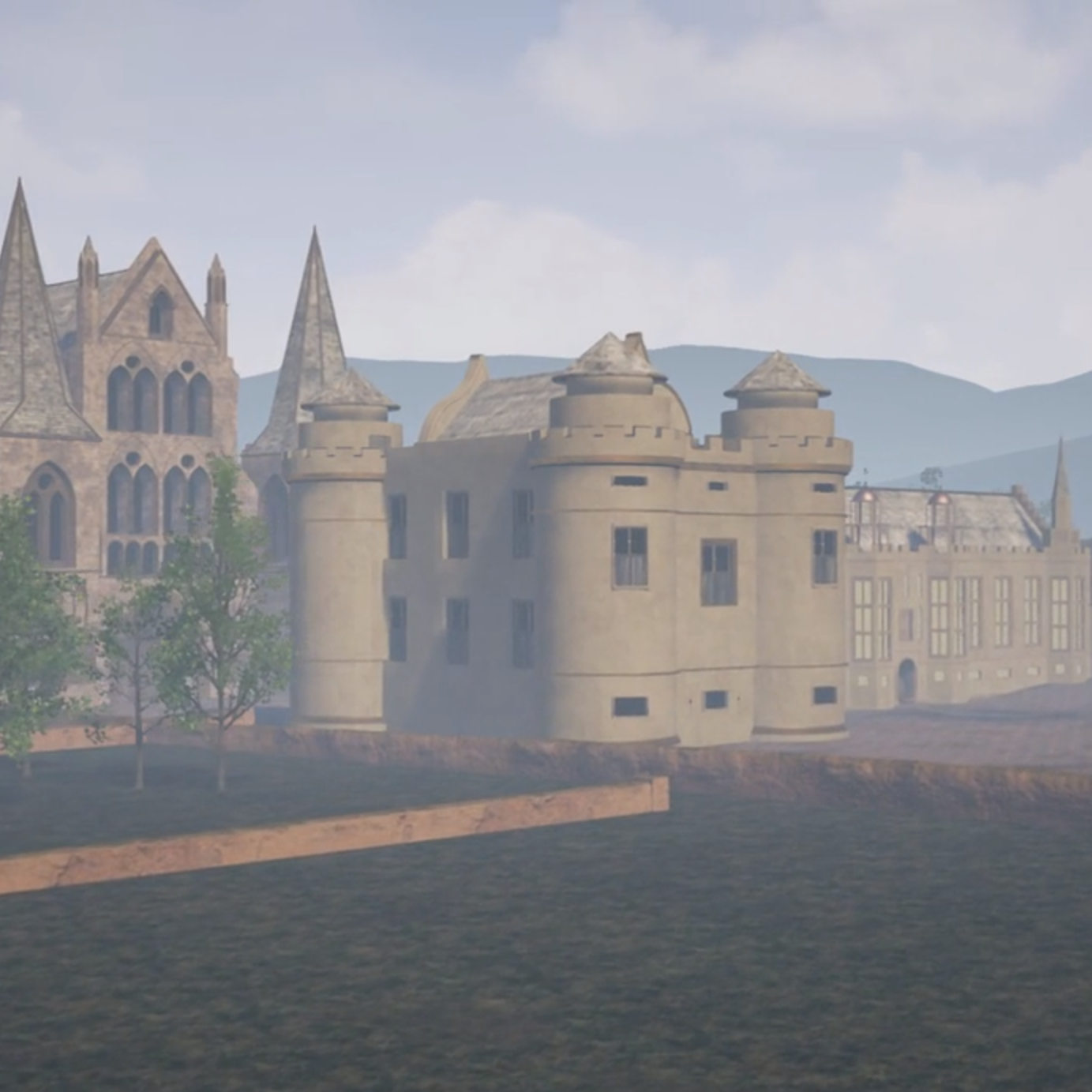
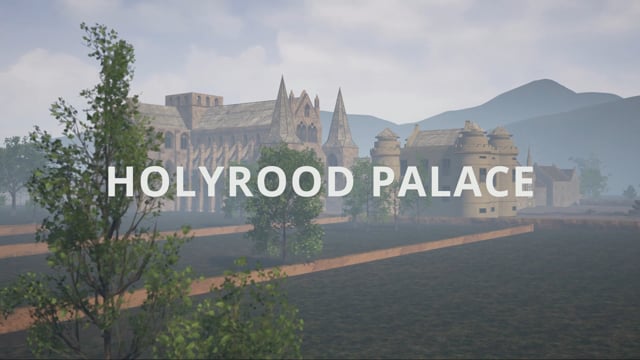
Our depiction of Edinburgh and the Canongate was inspired by a drawing in the British Library made by the English military engineer Richard Lee, who accompanied Hertford’s forces in 1544. Lee’s drawing is the earliest moderately realistic picture of Edinburgh and would influence how the English portrayed the Scottish capital into the seventeenth century (a variant of Lee’s illustration is included in John Speed’s atlas, The Theatre of the Empire of Great Britain, published c.1611). It is possible that Lee’s plan was created to explain the outcome of the Edinburgh expedition to Henry VIII of England. On 19 May 1544 the Earl of Hertford informed Henry that he was sending him ‘Master Lee, who I assure your Majesty hath served in the journey both honestly and willingly, [and] doth bring unto your Highness a plat of Leith and Edinburgh so as your Majesty shall perceive the situations of the same, which is undoubtedly set forth as well as is possible.’
Source
reconstructions
Date
2017
Format
image/png
Type
Reconstruction
Identifier
218
License
In Copyright (InC)
Spatial Coverage
current,55.9527,-3.1723;
Europeana
Is Shown At
https://www.openvirtualworlds.org/holyrood-palace-1544/
Object
https://player.vimeo.com/video/219931511
Europeana Rights
Smart History
Europeana Type
TEXT
Reconstruction Item Type Metadata
Canmore
https://canmore.org.uk/site/52380/edinburgh-holyrood-palace
How
Firstly, a digital landscape was created using survey data and height maps. Following extensive historical research and collaboration with specialists, 3D models are created and imported into UNREAL Engine (a cross-platform game engine for creating virtual worlds). Models are textured, scaled, oriented and assembled. Scenes are created and populated with appropriate objects, including furniture and artefacts. Landscapes populated with flora and fauna. Weather settings and atmospheric lighting. Clothing and characters researched, created, imported and animated.
Evidence
The abbey of Holyrood was founded in the twelfth century. During the late Middle Ages the monastery’s guest house gradually evolved into a royal residence. In the early 1500s King James IV ordered the creation of a new palace next to the original religious buildings. His son, James V (the father of Mary Queen of Scots), continued the building work, creating an impressive Renaissance residence. In May 1544 the English sacked both the palace and abbey. The Earl of Hertford, who commanded the English forces, boasted that he left Holyrood Abbey ‘wholly burnt and desolate’.
Advisers
Richard Fawcett (University of St Andrews), John Lawson (CECAS), Bess Rhodes (University of St Andrews)
Date Represented
1544
Collection
Citation
“Edinburgh - Holyrood Palace c1544,” STAGE, accessed October 17, 2026, https://stage.openvirtualworlds.org/omeka/items/show/190.
Embed
Copy the code below into your web page