The Thai Mahal
Dublin Core
Title
The Thai Mahal
Description
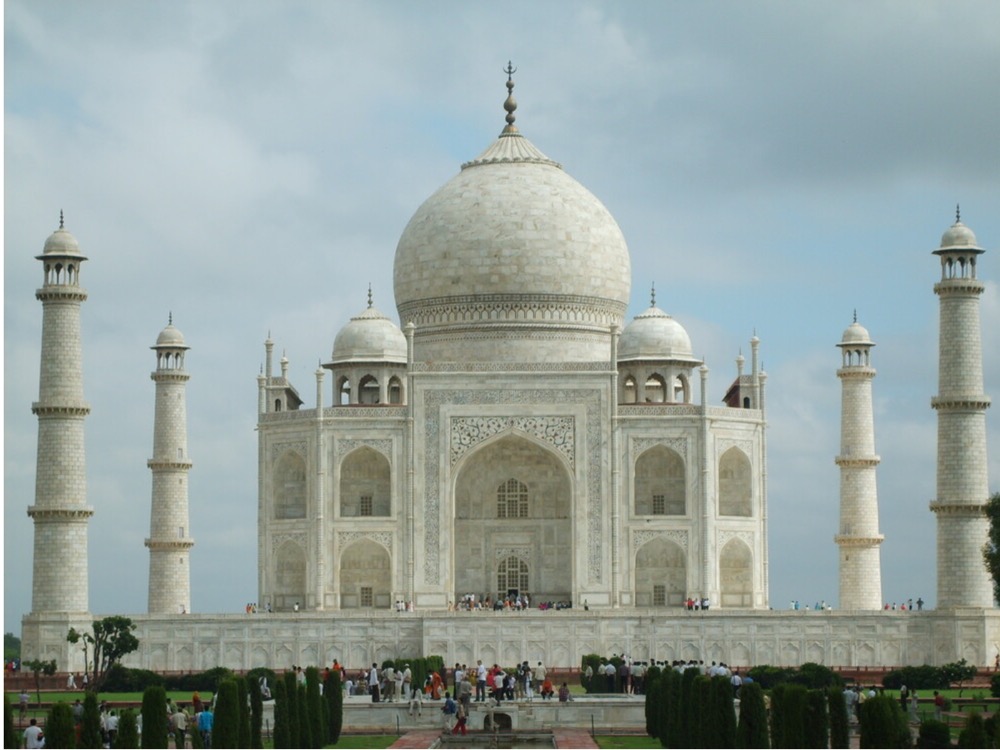
The Thai Mahal The Taj Mahal, situated in the Agra District of Uttar Pradesh, India, commenced construction in 1632 and was completed over a 16-year period. Its construction involved painters, calligraphers, sculptors, and numerous craftsmen from the imperial workshops.The Taj Mahal is a world famous architectural heritage site, and its design combines Indian and Persian architectural styles. It took tens of thousands of craftsmen more than a decade to complete the complex, which is mainly made of white marble. Attracting a large number of tourists every year, celebrities and politicians from around the world have come to visit, and in recent years, the Taj Mahal has faced some challenges, such as environmental pollution and acid rain, as well as natural weathering. Digital interpretation can help Taj Mahal gain more network traffic and social attention, increase the number of tourists by better displaying the architectural charm of Taj Mahal, and further promote the development of local economy. This can effectively promote SDG8 - Decent work and economic growth.
Source
is51102024
Contributor
yj42
Format
image/jpeg
Type
Still Image
License
In Copyright (InC)
Spatial Coverage
current,27.1751,78.0421;
Europeana
Europeana Type
IMAGE
Still Image Item Type Metadata
DescriptionEN
The Thai Mahal The Taj Mahal, situated in the Agra District of Uttar Pradesh, India, commenced construction in 1632 and was completed over a 16-year period. Its construction involved painters, calligraphers, sculptors, and numerous craftsmen from the imperial workshops.The Taj Mahal is a world famous architectural heritage site, and its design combines Indian and Persian architectural styles. It took tens of thousands of craftsmen more than a decade to complete the complex, which is mainly made of white marble. Attracting a large number of tourists every year, celebrities and politicians from around the world have come to visit, and in recent years, the Taj Mahal has faced some challenges, such as environmental pollution and acid rain, as well as natural weathering. Digital interpretation can help Taj Mahal gain more network traffic and social attention, increase the number of tourists by better displaying the architectural charm of Taj Mahal, and further promote the development of local economy. This can effectively promote SDG8 - Decent work and economic growth.
Collection
Citation
“The Thai Mahal,” STAGE, accessed October 21, 2026, https://stage.openvirtualworlds.org/omeka/items/show/2842.
Embed
Copy the code below into your web page