Komodo Island
Dublin Core
Title
Komodo Island
Description
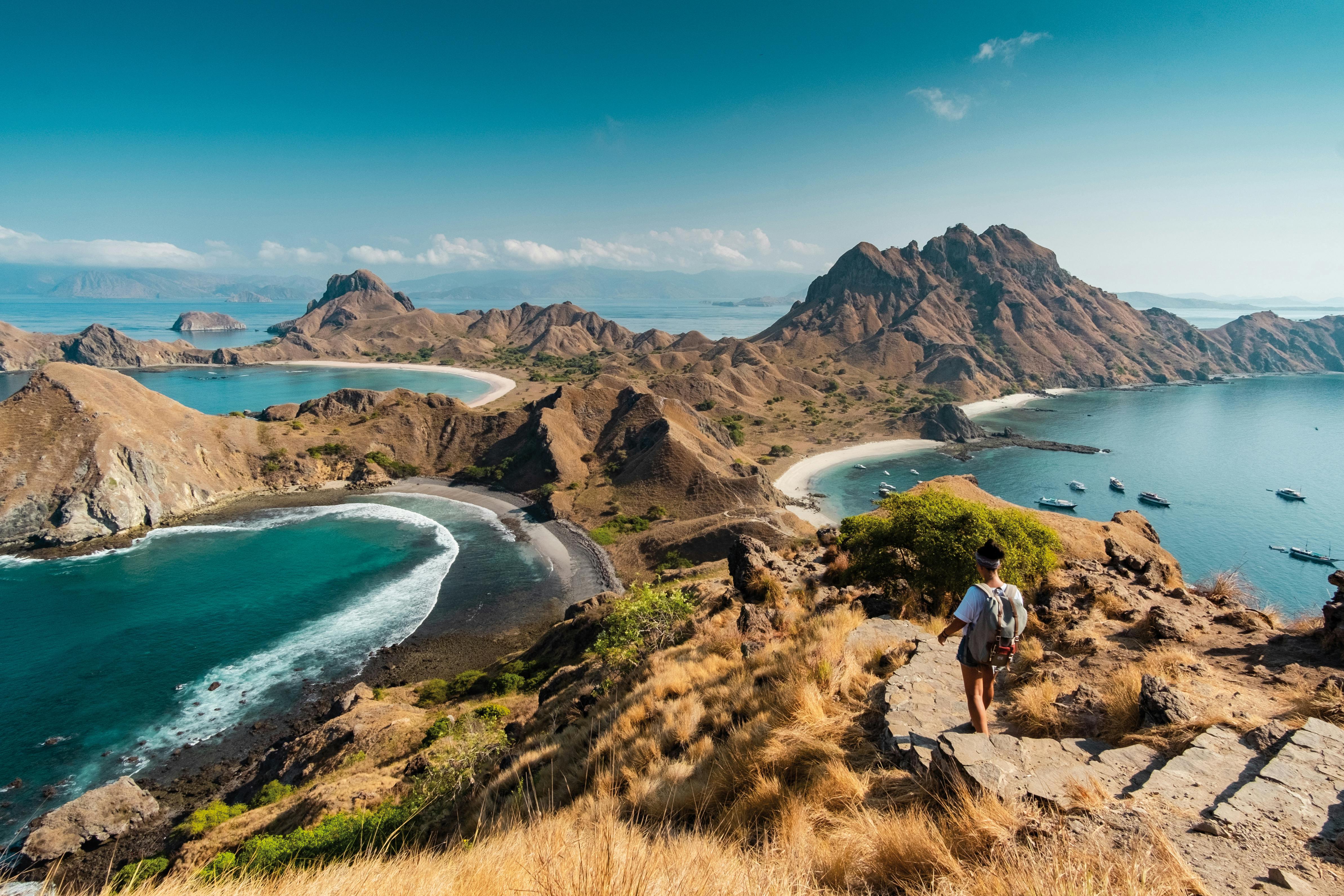
Komodo National Park is a UNESCO World heritage site in Indonesia which in 1980 was created by the Indonesian government in order to protect the komodo dragon (UNESCO World Heritage Centre, 2010). Komodo national park has over 1,000 species of tropical fish and notably around 5,700 komodo dragons who roam across the island. The Komodo national park utilises technology, notably a SMART system which enabled for increasing data collection and expanded patrol coverage. Subsequently, this resulted in greater wildlife monitoring meaning for effective conservation of species on the island (World, 2022). Moreover, surveillance cameras are utilised on the island to prevent the poaching of species, in particular to komodo dragon (Park, 2023). In relation to the United Nations sustainable development goals, Komodo National Park aligns with the goals of Goal 8: Life on Land as the park has wildlife monitoring tools such as SMART and GPS-enabled devices to aid the conservation of the komodo dragon. Moreover, it aligns with Goal 14 Life below water as patrolling teams cover marine areas and can monitor boats entering the Komodo National Park marine zone both fishing and tourist boats (World, 2022b). Moreover, Goal 8: Decent Work and Economic Growth is another goal the park meets as park rangers promote sustainable tourism and bolster local employment opportunities and with visitors set to reach more than 1 million in 2025 the economic growth from visitors is positive alongside a new (Cosmos, 2024).
Source
is51102025
Date
24/2/2025
Contributor
od42@st-andrews.ac.uk
Format
image/jpeg
Type
Still Image
License
Creative Commons Public Domain (no conditions)
Spatial Coverage
current,-8.543333,119.489441;
Europeana
Is Shown At
https://images.app.goo.gl/GFGYS2ZLrVJQXDhWA
Object
https://images.app.goo.gl/GFGYS2ZLrVJQXDhWA
Europeana Type
IMAGE
Still Image Item Type Metadata
DescriptionEN
Komodo National Park is a UNESCO World heritage site in Indonesia which in 1980 was created by the Indonesian government in order to protect the komodo dragon (UNESCO World Heritage Centre, 2010). Komodo national park has over 1,000 species of tropical fish and notably around 5,700 komodo dragons who roam across the island. The Komodo national park utilises technology, notably a SMART system which enabled for increasing data collection and expanded patrol coverage. Subsequently, this resulted in greater wildlife monitoring meaning for effective conservation of species on the island (World, 2022). Moreover, surveillance cameras are utilised on the island to prevent the poaching of species, in particular to komodo dragon (Park, 2023). In relation to the United Nations sustainable development goals, Komodo National Park aligns with the goals of Goal 8: Life on Land as the park has wildlife monitoring tools such as SMART and GPS-enabled devices to aid the conservation of the komodo dragon. Moreover, it aligns with Goal 14 Life below water as patrolling teams cover marine areas and can monitor boats entering the Komodo National Park marine zone both fishing and tourist boats (World, 2022b). Moreover, Goal 8: Decent Work and Economic Growth is another goal the park meets as park rangers promote sustainable tourism and bolster local employment opportunities and with visitors set to reach more than 1 million in 2025 the economic growth from visitors is positive alongside a new (Cosmos, 2024).
Collection
Citation
“Komodo Island,” STAGE, accessed October 16, 2026, https://stage.openvirtualworlds.org/omeka/items/show/2915.
Embed
Copy the code below into your web page