pexels-katie-cerami-110690626-11807182-2.jpg
Dublin Core
Title
pexels-katie-cerami-110690626-11807182-2.jpg
Description
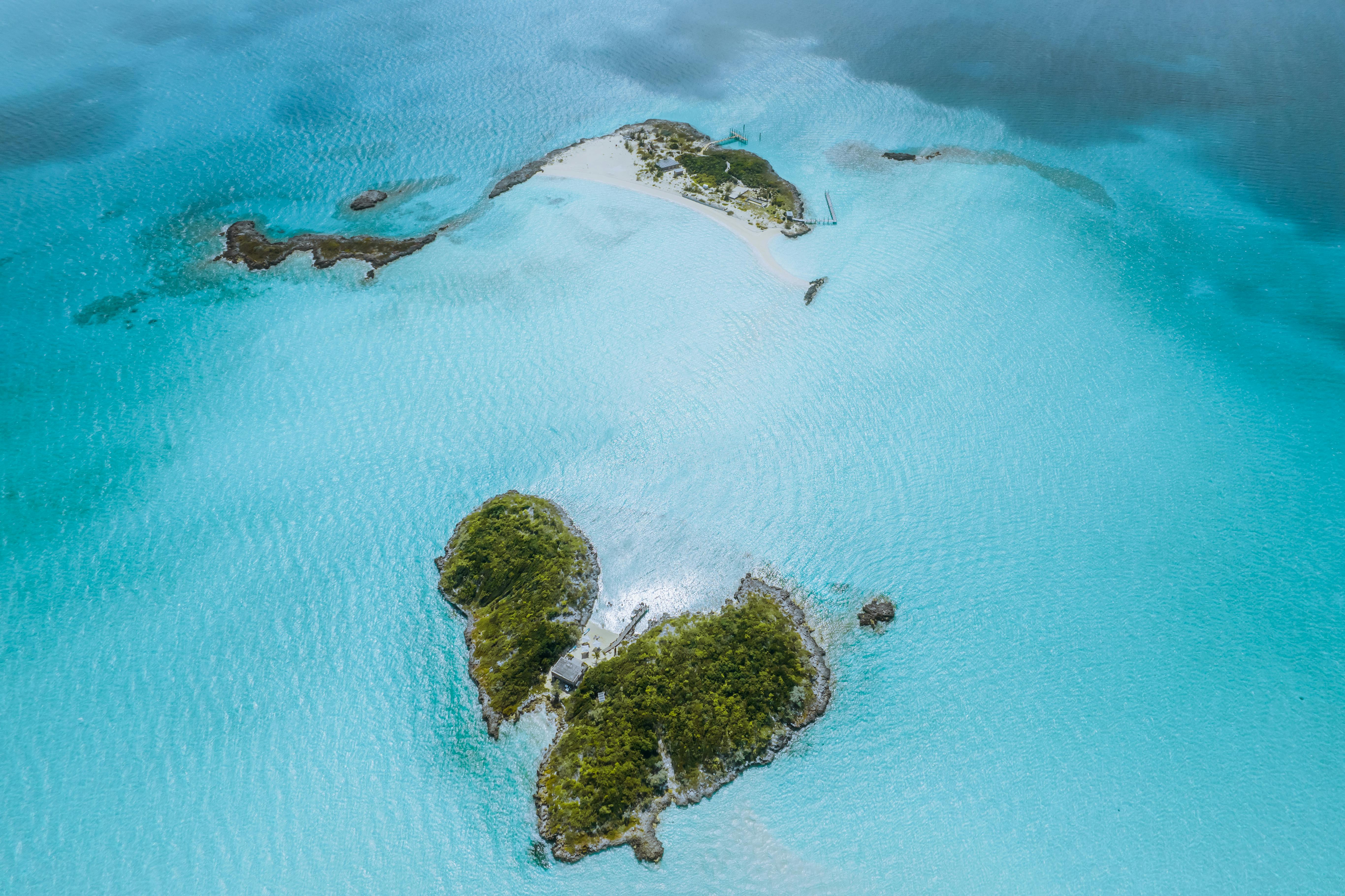
The Baa Atoll Biosphere Reserve is located in the central western Maldives in the Indian Ocean, north of the Kashidhoo Kandhoo channel. Designated as a UNESCO Biosphere Reserve in 2011, it encompasses 1,200 square kilometers of coral reefs, islands, seagrass meadows, and mangroves. The atoll supports one of the largest and most diverse reef systems in the Indian Ocean, functioning as a vital ecological bridge for marine species between the eastern and western Indian Ocean. Home to over 250 species of coral and 1,200 reef and pelagic fish species, the reserve is particularly renowned for its seasonal aggregations of plankton-feeding manta rays and whale sharks. The area demonstrates a long history of sustainable human interaction with the environment through traditional fishing practices. Today, it faces significant threats from climate change, including coral bleaching, sea-level rise, and increasing water temperatures.
Source
is51102025
Contributor
cx27@st-andrews.ac.uk
Format
image/jpeg
Type
Still Image
Date Submitted
03/24/2025 04:14:55 pm
License
In Copyright (InC)
Spatial Coverage
current, 5.1417° N,73.0664° E;
Europeana
Europeana Type
IMAGE
Still Image Item Type Metadata
DescriptionEN
The Baa Atoll Biosphere Reserve is located in the central western Maldives in the Indian Ocean, north of the Kashidhoo Kandhoo channel. Designated as a UNESCO Biosphere Reserve in 2011, it encompasses 1,200 square kilometers of coral reefs, islands, seagrass meadows, and mangroves. The atoll supports one of the largest and most diverse reef systems in the Indian Ocean, functioning as a vital ecological bridge for marine species between the eastern and western Indian Ocean. Home to over 250 species of coral and 1,200 reef and pelagic fish species, the reserve is particularly renowned for its seasonal aggregations of plankton-feeding manta rays and whale sharks. The area demonstrates a long history of sustainable human interaction with the environment through traditional fishing practices. Today, it faces significant threats from climate change, including coral bleaching, sea-level rise, and increasing water temperatures.
Citation
“pexels-katie-cerami-110690626-11807182-2.jpg,” STAGE, accessed October 17, 2026, https://stage.openvirtualworlds.org/omeka/items/show/3100.
Embed
Copy the code below into your web page