The Colosseum
Dublin Core
Title
The Colosseum
Description
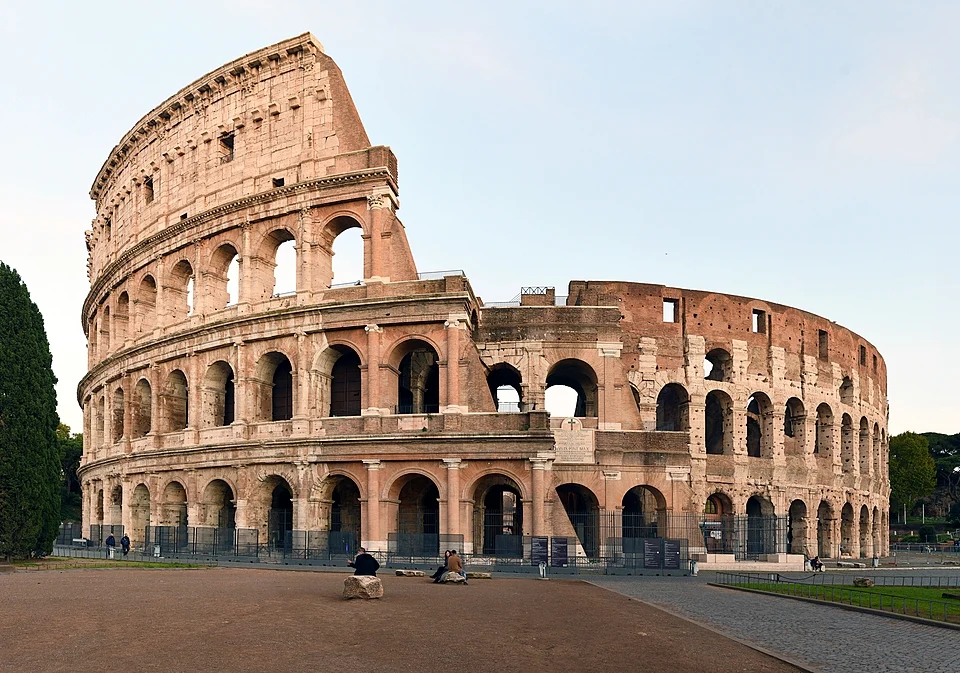
The Colosseum is one of Rome's most recognizable structures and a testament to the Roman Empire's engineering brilliance. The Colosseum, which was finished in 80 AD under Emperor Titus, could accommodate up to 50,000 people who came to see a variety of public performances, such as fake naval battles, gladiatorial fights, and animal hunts. The amphitheater was one of the most cutting-edge entertainment venues of its era because of its elliptical shape, which provides outstanding visibility from every seat. The Colosseum has experienced earthquakes and other natural disasters over the ages. It continues to stand as a tribute to Roman architecture and culture despite the effects of time. The Colosseum, a well-liked tourist destination, offers a direct link to ancient history and a window into the intricate social and cultural customs of the Roman Empire. Beyond just its outward appearance, it also symbolizes themes of amusement, dominance, and power in ancient communities. The Colosseum continues to inspire both tourists and academics as a symbol of tenacity and preservation today.
Source
is51102025
Contributor
concretedetails
Type
Site
Identifier
1437
Date Submitted
28/03/2025
Extent
cm x cm x cm
Medium
https://en.wikipedia.org/wiki/Colosseum#/media/File:Colosseo_2020.jpg
Spatial Coverage
current,41.8902° N,12.4922° E;
Europeana
Europeana Data Provider
The Colosseum
Europeana Type
TEXT
Site Item Type Metadata
Institutional nature
Building
Status
public
Condition
1
Contact
wy28@st-andrews.ac.uk
Citation
“The Colosseum,” STAGE, accessed October 19, 2026, https://stage.openvirtualworlds.org/omeka/items/show/3839.
Embed
Copy the code below into your web page