Camp Nelson - American Civil War
Dublin Core
Title
Camp Nelson - American Civil War
Subject
Intangible Heritage
Description
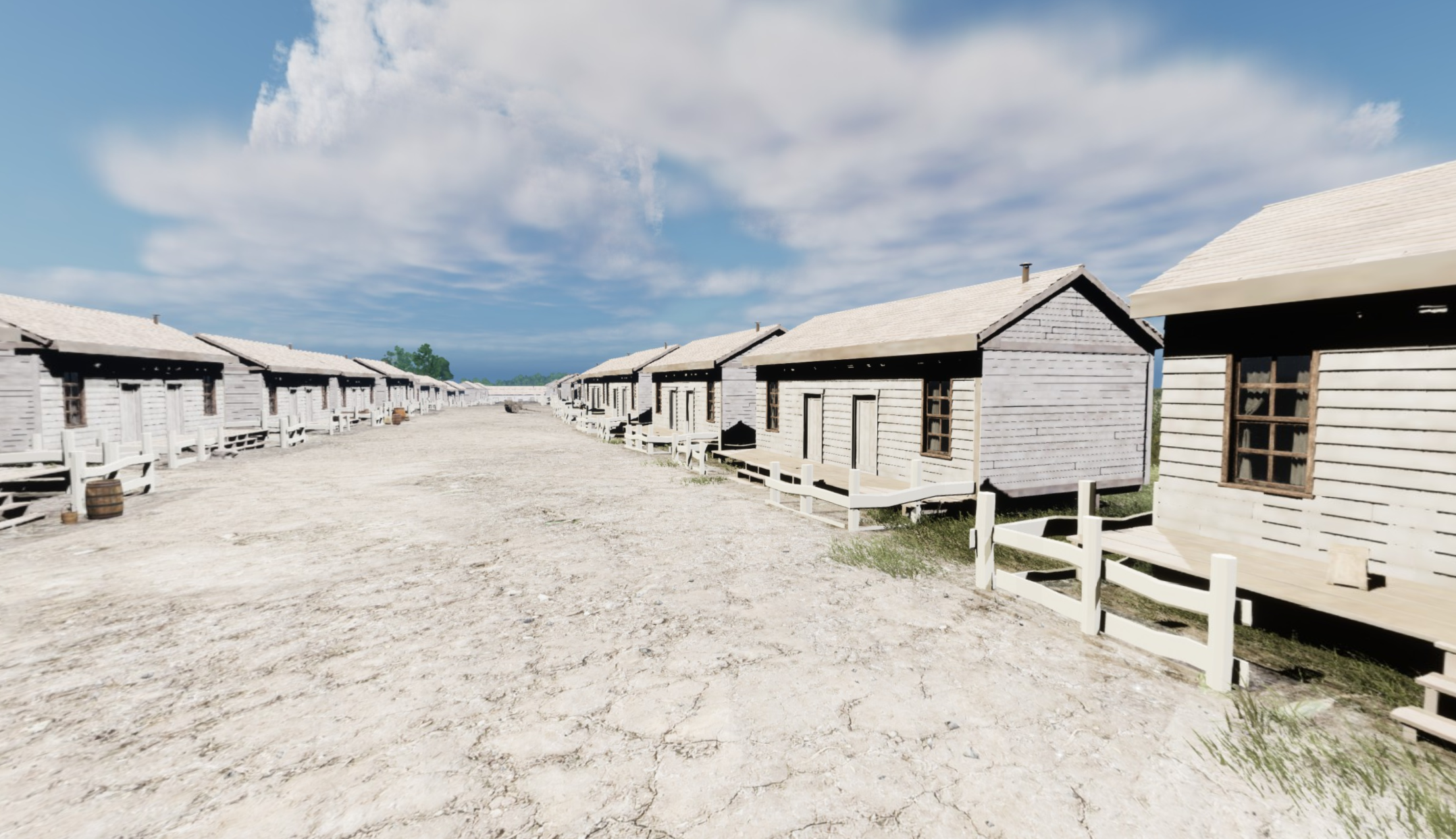
Camp Nelson, located in southern Jessamine County, Kentucky, United States, was the United States' third-largest recruitment centre for African American troops and a refuge for Black women and children searching for their freedom during the Civil War, which lasted 4 years—12th April 1861 to 9th April 1865. Through their Impact-focused work with Camp Nelson staff and members of the local community, including descendants of Black refugees and troops, the researchers will co-create innovative, community-engaged museum exhibits that share the hopes Black refugees placed in Camp Nelson and the challenges they met there, reflecting on the processes involved in commemoration and the creation of historical narratives. -
Dr Kristen Treen’s Leverhulme-funded project will focus on the experiences of Black refugees who fled slavery during the Civil War, and sought refuge at federal camps in Kentucky, Maryland, Virginia, and Washington D.C., among other states. Over three years it will explore the relevance of the term ‘refugee’ to the experiences of formerly enslaved people across the war-torn states, and the futures they sought to build for themselves. Asking how refugees’ mobility, refuge-taking, and acts of settlement shaped alternative commemorative approaches to the war, researchers on the project will uncover how these have been remembered, forgotten, or erased from public memory.
Concentrating on specific refugee camps, including Camp Nelson (Kentucky) and ‘Contraband Camp’ (Washington, D.C.), it will enhance academic and public understanding of the country’s system of enslavement and Black networks of resistance and aid through extensive archival research, which will be shared through academic and public-facing publications, and innovative uses of exhibitions and digital mapping. https://news.st-andrews.ac.uk/archive/double-funding-success-will-tell-the-forgotten-story-of-americas-black-refugee-camps/
Source
reconstructions
Date
2024/25
Type
Reconstruction
Identifier
1498
License
In Copyright (InC)
Spatial Coverage
current,37.7968589,-84.6007927;
Europeana
Is Shown At
https://news.st-andrews.ac.uk/archive/double-funding-success-will-tell-the-forgotten-story-of-americas-black-refugee-camps/
Object
https://civilwarmonuments.org/pano_package/webview.html?xml=https://civilwarmonuments.org/pano_package/zips/Camp%20Nelson_Camp%20Nelson%20current_web_zip/web.xml
Europeana Rights
Smart History/Open Virtual Worlds Team University of St Andrews
Europeana Type
TEXT
Reconstruction Item Type Metadata
How
Firstly, a digital landscape was created using survey data and height maps. Following extensive historical research and collaboration with specialists, 3D models are created and imported into UNREAL Engine (a cross-platform game engine for creating virtual worlds). Models are textured, scaled, oriented and assembled. Scenes are created and populated with appropriate objects, including furniture and artefacts. Landscapes populated with flora and fauna. Weather settings and atmospheric lighting.
Evidence
Reconstructions were based on the 1866 Miller Map, and black and white photos are from the Camp Nelson Photographic Collection, 1864, University of Kentucky Special Collections Research Centre. This project was a collaboration with Dr Kristen Treen from the School of English at the University of St Andrews and the Camp Nelson Museum. Dr Kristen Treen, lecturer at the School of English, received funding from the Arts and Humanities Research Council (AHRC) for her public-facing project, "Histories of Hope?: Museum Redevelopment at Camp Nelson National Monument", and from the Leverhulme Research Project fund for "Remembering Refugees: Black Civil War Memory and Contemporary Commemoration".
Advisers
Ernest K Price (Camp Nelson National Monument Museum)
Date Represented
1864
Citation
“Camp Nelson - American Civil War,” STAGE, accessed October 17, 2026, https://stage.openvirtualworlds.org/omeka/items/show/3981.
Embed
Copy the code below into your web page