Gereza Fort - Kilwa Kisiwani - Tanzania
Dublin Core
Title
Gereza Fort - Kilwa Kisiwani - Tanzania
Subject
Intangible Heritage
Description
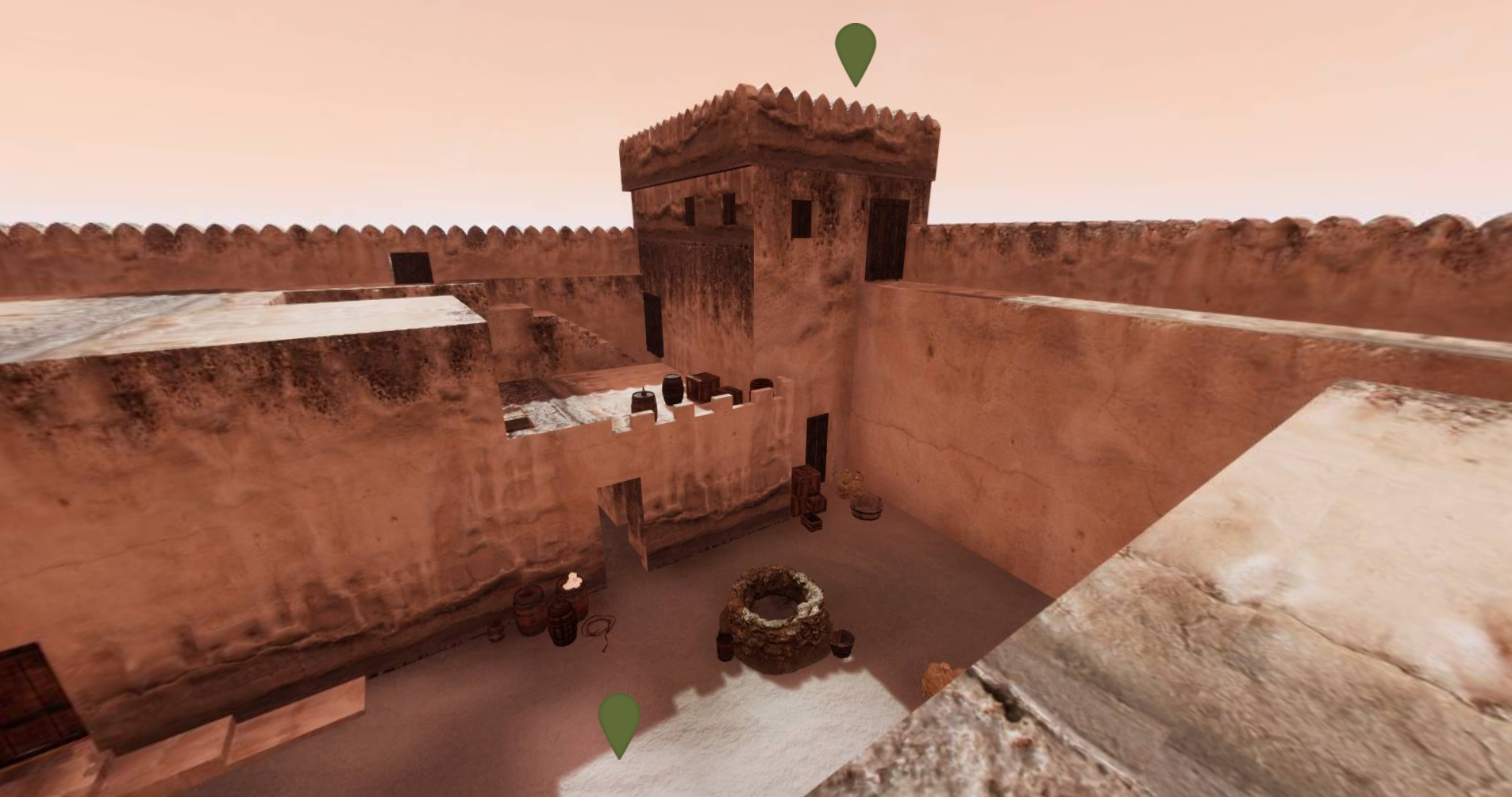
The Old Fort or Gereza (prison) in Kilwa Kisiwani situated along the coast of southern Tanzania was built by the Portuguese in 1505. This build which has two towers were meant to protect the interest of Portuguese after they had conquered Kilwa during the early 16th century. However, the Portuguese did not stay long, and they abandoned it within 10years of habitation leaving it for use by the Arabs. The gereza is one of the still very firm monuments in Kilwa Kisiwani making a World Heritage Site since 1981. Currently a part of this building serves as a community museum. The ruins of the Gereza Fort are situated on Kilwa Kisiwani, a small, low-lying island off the East coast of Tanzania. It represents one of the two remains of the largest East African ports from the 11th to the 16th. The evidence of the dominance of Swahili coastal culture, the Islamisation of East Africa and the extensive and prosperous Indian Ocean trade networks. Today, the remains originally built of coral stones bonded together with lime mortar located along the coast are critically exposed to flooding, erosion from storm surges and encroaching (mangrove) vegetation. On several locations along the shore of Kilwa Kisiwani, artefacts (beads, coins, ceramics, etc.) are being eroded by the sea-water movements. Only a small part of the once extensive cities has been excavated, and the remains could be lost before they have ever been recorded if rising sea levels flood the islands. This means that communities would have to move, and their way of life, cultural traditions and practices would be lost forever. The site also houses one of the longest-established Islamic education centres on the east coast of Africa. Flooding and collapse of structures would mean relocation for the school. The remains in immediate structural vulnerability include the Great Mosque, the palace of Husuni Kubwa and the Portuguese Fort. Within the environment, rising sea level will also mean contamination of groundwater thus affecting trees such as the baobab that represents the spiritual well-being of the local people. Tanzania is rich in archaeological sites throughout. With evidence of past prehistoric and historic activity preserved in structures and art, some of which has been investigated using the discipline of archaeology and represents a part of the archaeological record.
Source
reconstructions
Date
2022
Type
Reconstruction
Identifier
1513
License
In Copyright (InC)
Spatial Coverage
current,-8.957484315253058,39.52820777893067;
Europeana
Object
https://openvirtualworlds.viewin360.co/share/collection/7q9Dr?logo=0&info=0&fs=1&vr=1&sd=1&initload=0&thumbs=1
Europeana Rights
Open Virtual Worlds Team University of St Andrews
Europeana Type
TEXT
Reconstruction Item Type Metadata
How
A collaboration between ourselves and the University of St Andrews School of Earth and Environmental Sciences. Digitising Heritage in Tanzania for its Promotion and Sustainable Preservation. This model was created in Unreal Engine 4 by Sarah Kennedy with specialist architectural input from Allen Rwaich. When dangers threaten heritage, both tangible and intangible, not only is the knowledge of the past at risk, but also the heart of a community, both at present and in the future. By digitally recording heritage sites and cultural objects as they are now, a foundation is established on which culture is protected and preserved for the community to benefit today and in the future. This database will establish baseline data for the state of preservation for the heritage and provide a means by which the long-term future can be assured for local communities and national heritage management.
Evidence
On a one-off NAS course, a team of archaeologists from the University of St Andrews recently partnered with the University of Dar es Salaam to teach Tanzanians how to research and preserve their local underwater heritage. These researchers, Edward Pollard, Richard Bates, Ellie Graham, and Elgidius Ichumbak, tell their story....... In March, the Nautical Archaeology Society supported Underwater Recorder and Surveyor Skills Days in the western Indian Ocean in Tanzania involving the Universities of Dar es Salaam and St Andrews, funded by the Scottish Funding Council. The course took place at the UNESCO World Heritage Site of Kilwa Kisiwani, one of the most important medieval sultanates along the East African coast. Tanzania is part of the Swahili Coast that played an important commercial role exporting commodities such as mangroves, gold, ivory, cloves and slaves, as well as importing cloth, glass, beads, porcelain and incense. This trade along the east coast of Africa is recorded in Classical texts written in Egypt, such as Ptolemy’s Geographia and the sailor’s handbook to the Red Sea and beyond called Periplus of Erythrean Sea. Sailing was helped by reliable seasonal monsoon winds and, from around the 7th century, a noticeable increase in artefacts can be found in East African ports such as in the Lamu Archipelago, Malindi and Kilwa that originated in China, Arabia and India. To find out more visit: https://www.nauticalarchaeologysociety.org/sharing-the-significance-of-our-maritime-heritage-in-east-africa
Advisers
Allen Rwaich, Prof Richard Bates (University of St Andrews)
Date Represented
1505
Citation
“Gereza Fort - Kilwa Kisiwani - Tanzania,” STAGE, accessed October 17, 2026, https://stage.openvirtualworlds.org/omeka/items/show/3997.
Embed
Copy the code below into your web page