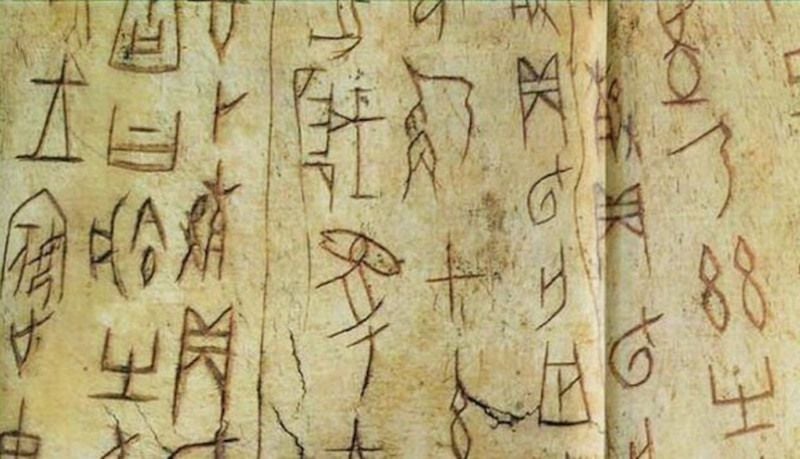
Oracle Bone Inscription
The oldest attested form of written Chinese
What is it?

Oracle bone inscription is the oldest attested form of written Chinese, dating to the late 2nd millennium BC. Inscriptions were made by carving characters into oracle bones, usually either the shoulder bones of oxen or the plastra of turtles. The writings themselves mainly record the results of official divinations carried out on behalf of the ruling Shang dynasty royal family. These divinations took the form of scapulimancy where the oracle bones were exposed to flames, creating patterns of cracks that were then subjected to interpretation. Both the prompt and interpretation were inscribed on the same piece of bone that had been used for the divination itself.
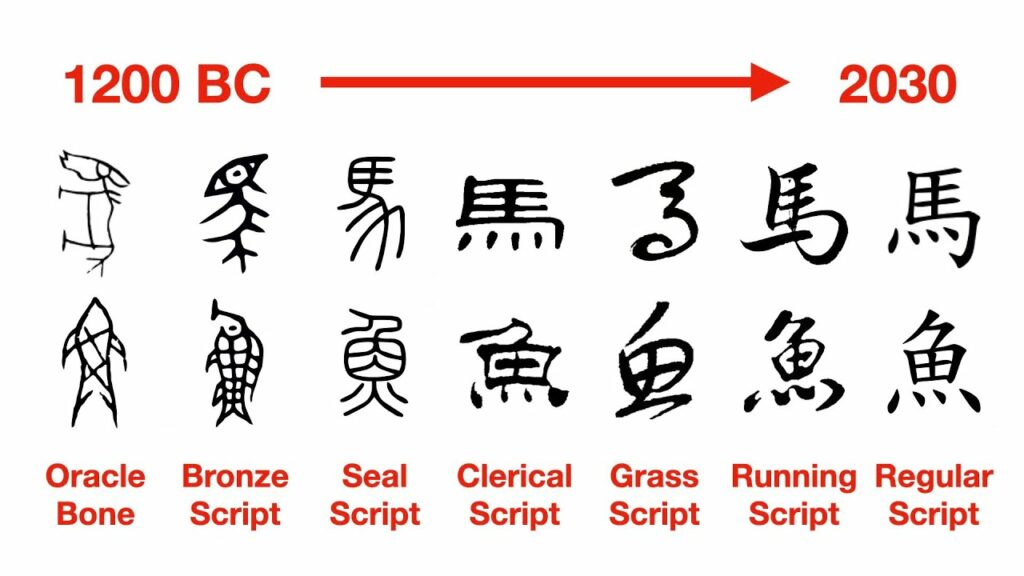
The evolution of Chinese characters has a long and profound history. Early forms like Oracle Bone Script and Bronze Inscriptions were the earliest recording styles, using simple drawings and pictographs to document rituals and divination in ancient times. With the unification of China during the Qin Dynasty, Small Seal Script emerged as a standardized script, incorporating more semantic and phonetic elements.
During the Han Dynasty, Clerical Script became the mainstream script, with its strict character forms and smooth strokes laying the foundation for later calligraphy styles. Subsequently, Regular Script, derived from Clerical Script, developed during the late Han to Wei-Jin periods and became one of the mainstream script styles. Its standardized character forms and neat strokes demonstrate the mature calligraphic techniques and diverse script styles of Chinese characters.
Where and how was it found?
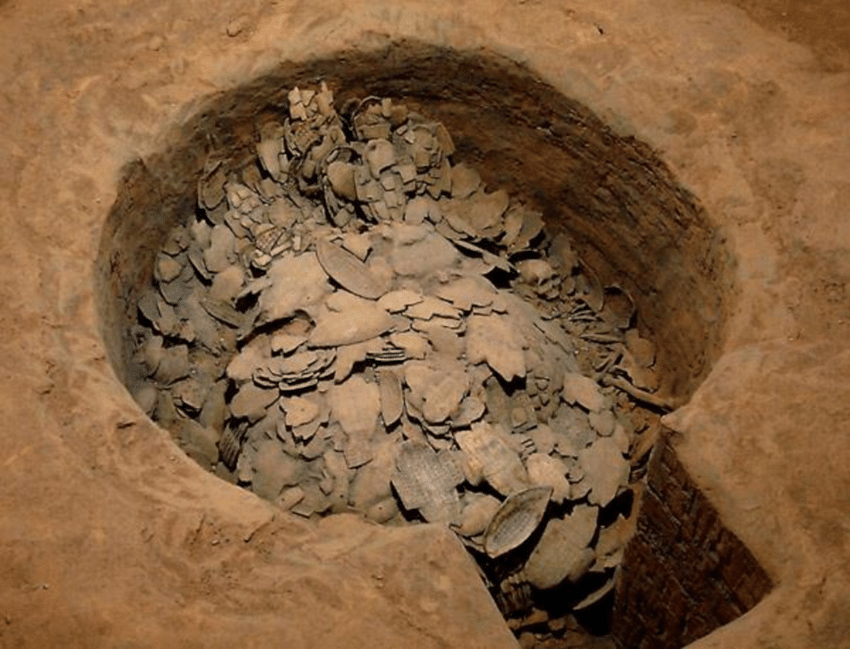
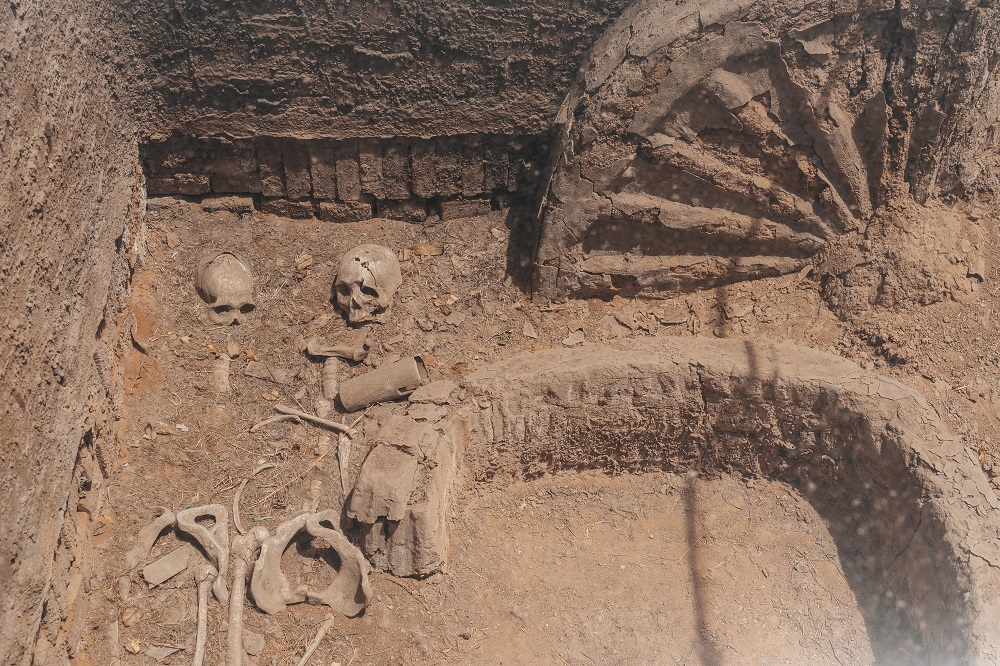
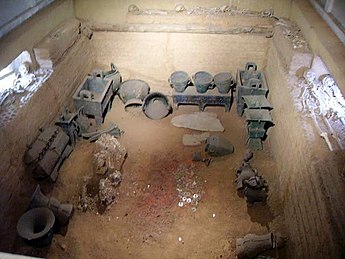
Out of an estimated 150,000 inscriptions that have been uncovered, the vast majority were unearthed at Yinxu, the site of the final Shang capital (modern-day Anyang, Henan). Yinxu is well known for its oracle bones, which were first recognized as containing ancient Chinese writing in 1899 by Wang Yirong, director of the Imperial Academy. One account of Wang’s discovery was that he was suffering from malaria at the time and was prescribed Longgu (dragon bones) at a traditional Chinese pharmacy. He noticed strange carvings on these bones and concluded that these could be samples of an ancient form of Chinese writing.
Why it matters?
Oracle bone inscription is one of the oldest known characters in the world, and its formation and development have experienced a long historical process. The discovery of oracle bone inscriptions is of great significance to the study of ancient Chinese history, writing, culture and other fields. It is not only an important stage in the development of Chinese writing, but also provides valuable materials for the evolution of writing in later generations. In addition, oracle bone inscriptions, as hieroglyphs, are of great help to people in learning and understanding Chinese.
So……
URL: https://stage.openvirtualworlds.org/worldheritage2024/wp-content/uploads/sites/7/2024/05/demo.mp4
This is an augmented reality(AR) application about oracle bone inscription, by scanning the Chinese literacy card to display the corresponding oracle 3D model. The work aims to help people learn and understand Chinese characters and this ancient script system through oracle bones, understand the hieroglyphic Society’s method of learning Chinese characters, and experience the breadth and depth of Chinese culture.
How to play?
Home: Click the Start button to enter the AR page; Click the help button to enter the help page; Click Exit to exit the app.

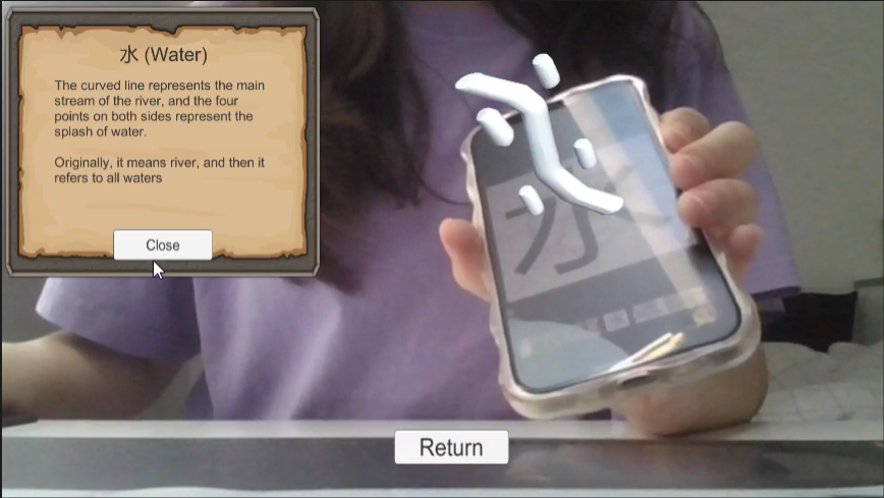
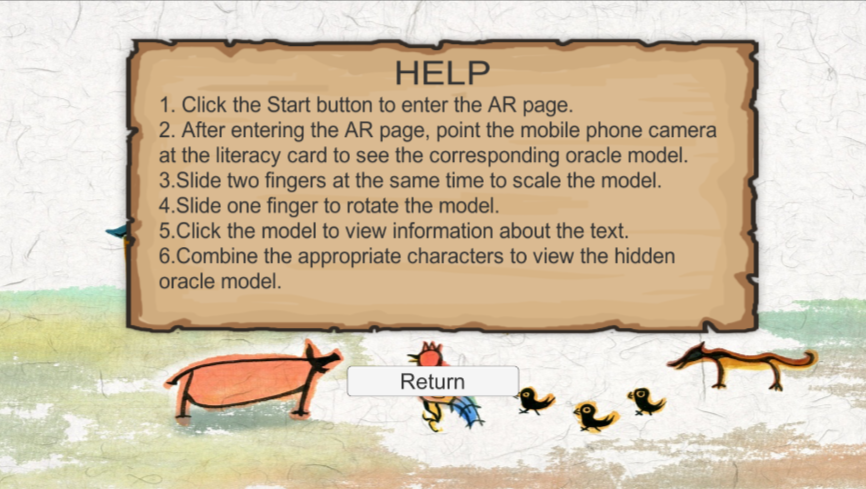
AR page: After entering the AR page, point the phone camera at the literacy card to see the corresponding OBI model. Swipe two fingers to scale the model; Slide a finger left and right to rotate the model; Click the model to see the corresponding explanation. Put the appropriate radicals together to see the hidden OBIs.
Help: See how to operate the application.
Have a try!
Step 1 Download the following file to your Android device (Due to technical limitations, this app can only be downloaded from Android devices)
Step 2 Use your Android device to scan the images below
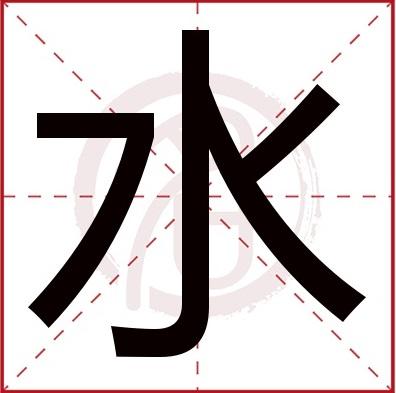
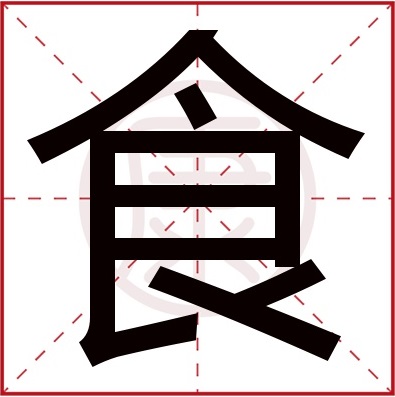
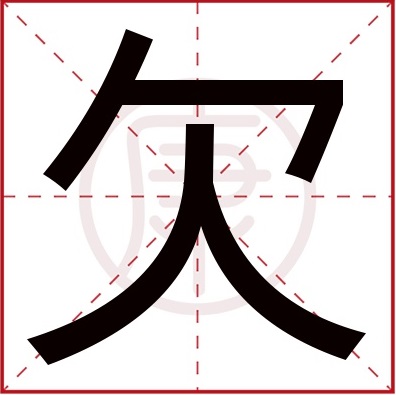


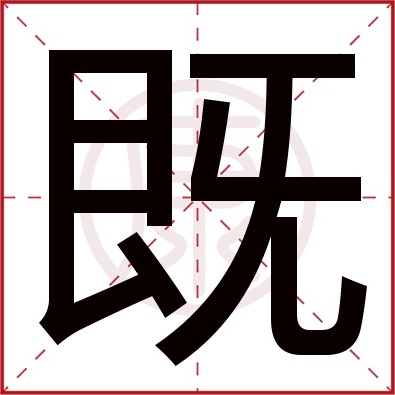
Step 3 Try combining two of the images to see the hidden OBI model!
Climate Threats

Acid Rain
Acid substances in acid rain, such as sulfuric acid and nitric acid, have a certain corrosive effect. If the surface of the relics on the oracle bone relics site is eroded by acid rain for a long time, it may lead to the corrosion and dissolution of the cultural relics materials and accelerate the destruction process.
High Temperature
The high-temperature environment may cause the oracle relics themselves to be deformed, cracked or deteriorated by thermal action, which has an adverse impact on the protection of cultural relics.In addition, high temperatures may accelerate the natural weathering process of oracle relics, such as surface peeling and damage of stone relics.

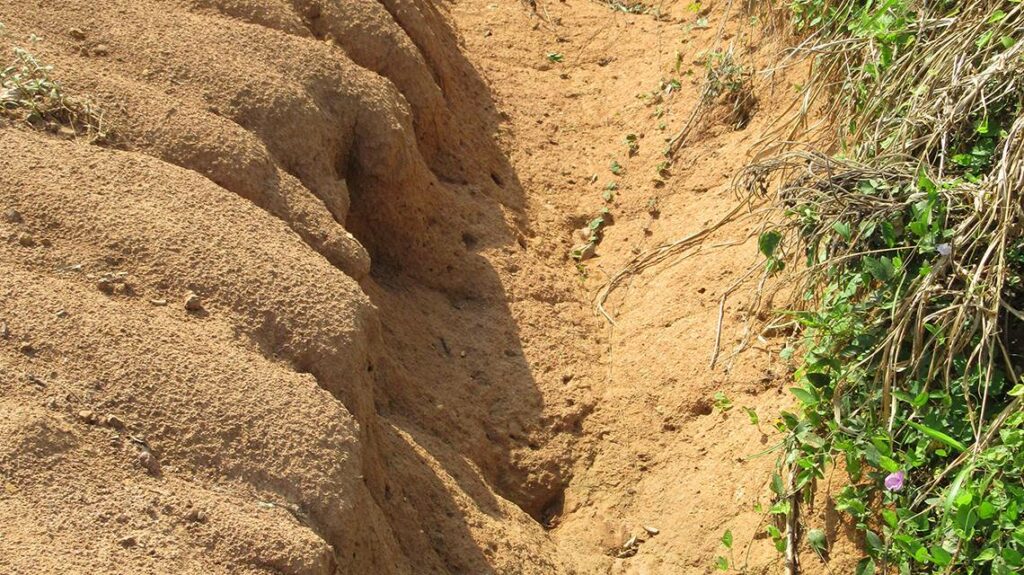
Soil Erosion
Soil erosion may cause the relics on the artefacts site to be exposed to the surface, lose their protective coverings, face stronger natural weathering and environmental erosion, and accelerate the destruction and corrosion of the relics.
How to mitigate —— digital technology
Through digital technology, oracle relics can be digitally scanned and recorded with high precision, and the images, texts and other information of cultural relics can be saved in electronic devices or network databases. In this way, even if the original is corroded or damaged by climate or other factors, the complete content and information of the cultural relic can still be preserved through the digital version. In addition, digital oracle bone scripts enable the contents of cultural relics to be accessed and disseminated remotely in electronic form. Without direct contact with physical cultural relics, researchers, students and the public can obtain Oracle information through the Internet and other channels, thus avoiding the risk of damage that may be caused by frequent contact with cultural relics.
Sustainable Development Goals
SDG 4 Quality Education📖
4.7 By 2030, ensure that all learners acquire the knowledge and skills needed to promote sustainable development, including, among others, through education for sustainable development and sustainable lifestyles, human rights, gender equality, promotion of a culture of peace and non-violence, global citizenship and appreciation of cultural diversity and of culture’s contribution to sustainable development.
SDG 9 Industry, Innovation and Infrastructure 🔧
9.b Support domestic technology development, research and innovation in developing countries, including by ensuring a conducive policy environment for, inter alia, industrial diversification and value addition to commodities.
SDG 11 Sustainable Cities and Communities 🌇
11.4 Strengthen efforts to protect and safeguard the world’s cultural and natural heritage.
SDG 17 Partnerships for the Goals 🤝
17.16 Enhance the Global Partnership for Sustainable Development, complemented by multi-stakeholder partnerships that mobilize and share knowledge, expertise, technology and financial resources, to support the achievement of the Sustainable Development Goals in all countries, in particular developing countries.