Mount Fuji
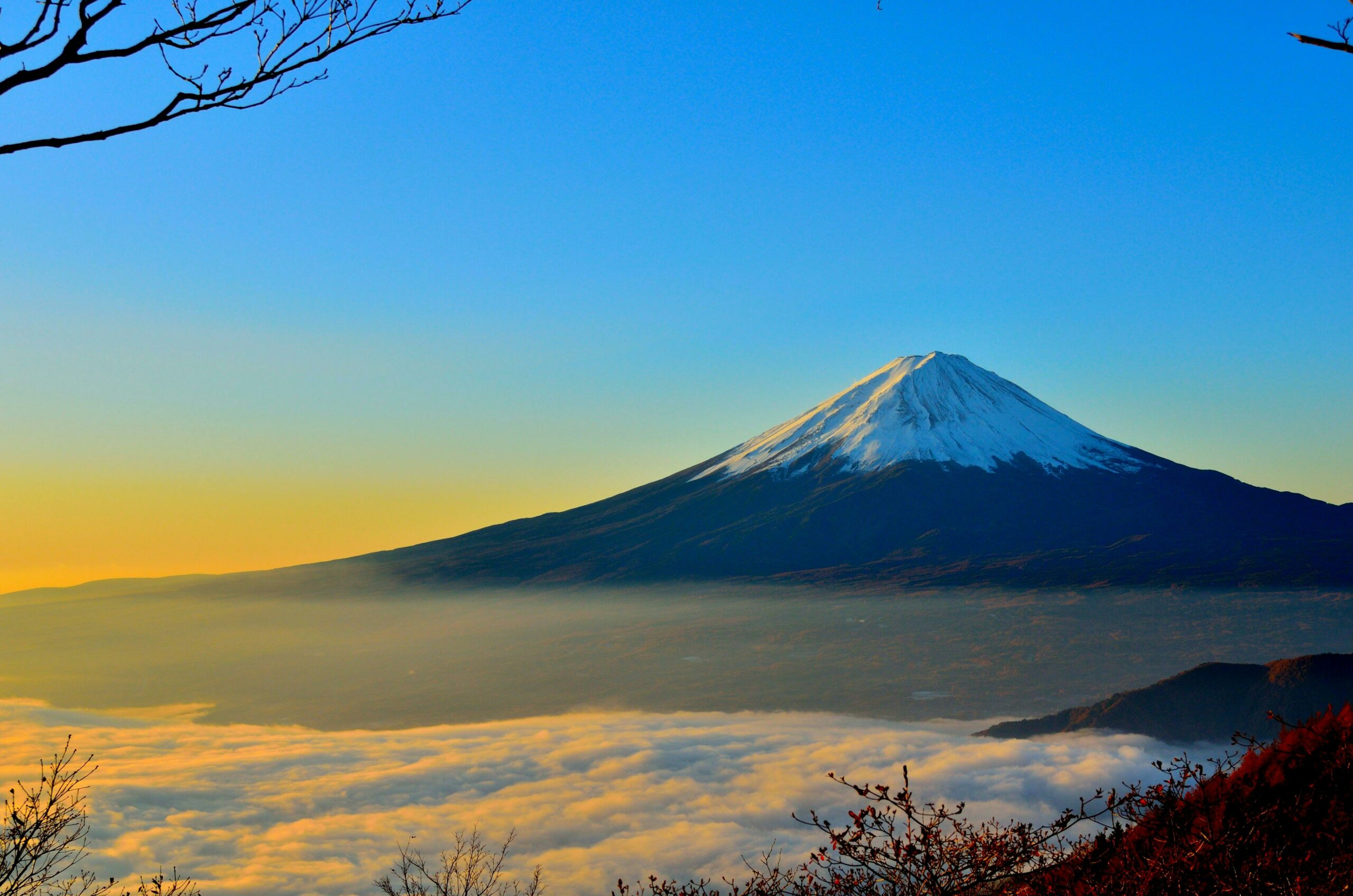
Mount Fuji, the symbol of Japan, has a wide base and its upper part covered with snow, known as “silver peak”, especially in winter. Its majestic appearance can be seen not only from the foot of the mountain.
Mount Fuji, which has had a major influence on the Japanese view of nature and Japanese culture, was inscribed as a World Heritage Site in 2013 by the UNESCO World Heritage Committee as ‘Mount Fuji – Object of Faith and Source of Art’. Fuji is a world treasure that handed down to the future, symbolising the symbiosis between people and nature.
Geographical wonder
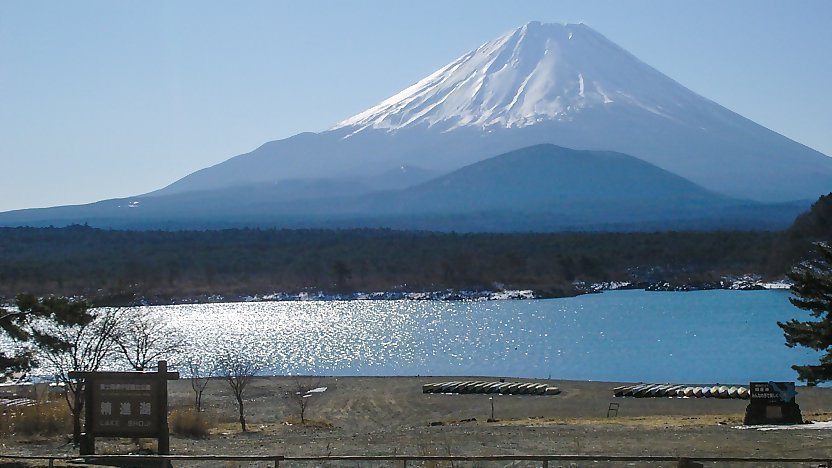
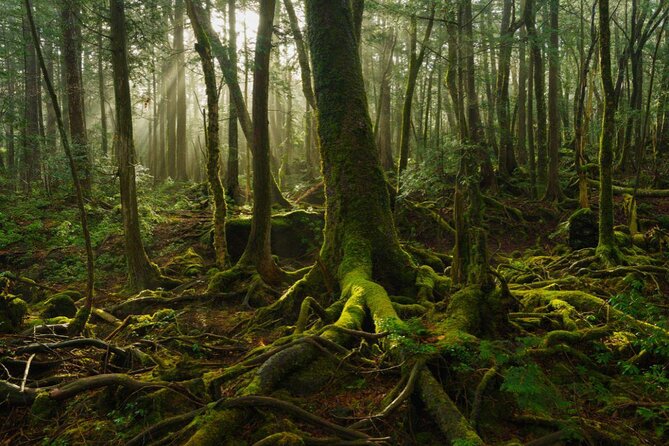
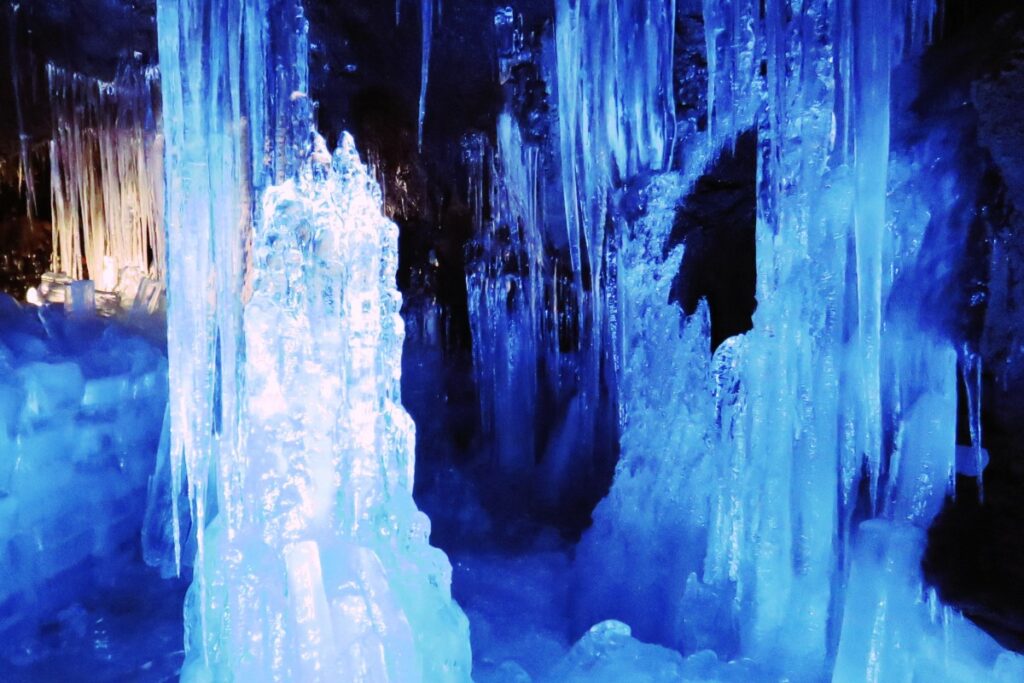
Formed approximately 100,000 years ago, repeated volcanic eruptions gradually transformed Mount Fuji into the largest mountain in Japan, at 3,776 meters tall. The last eruption in 1707 lasted for 16 days, with volcanic ash reaching as far as Tokyo. Volcanic activity is also responsible for creating Hoeizan (one of Fuji’s secondary peaks), the five lakes at the mountain’s base, and numerous caves near Aokigahara Forest. The area is also blessed with many mineral-rich hot springs, making the region a paradise for both outdoor recreation and relaxation.
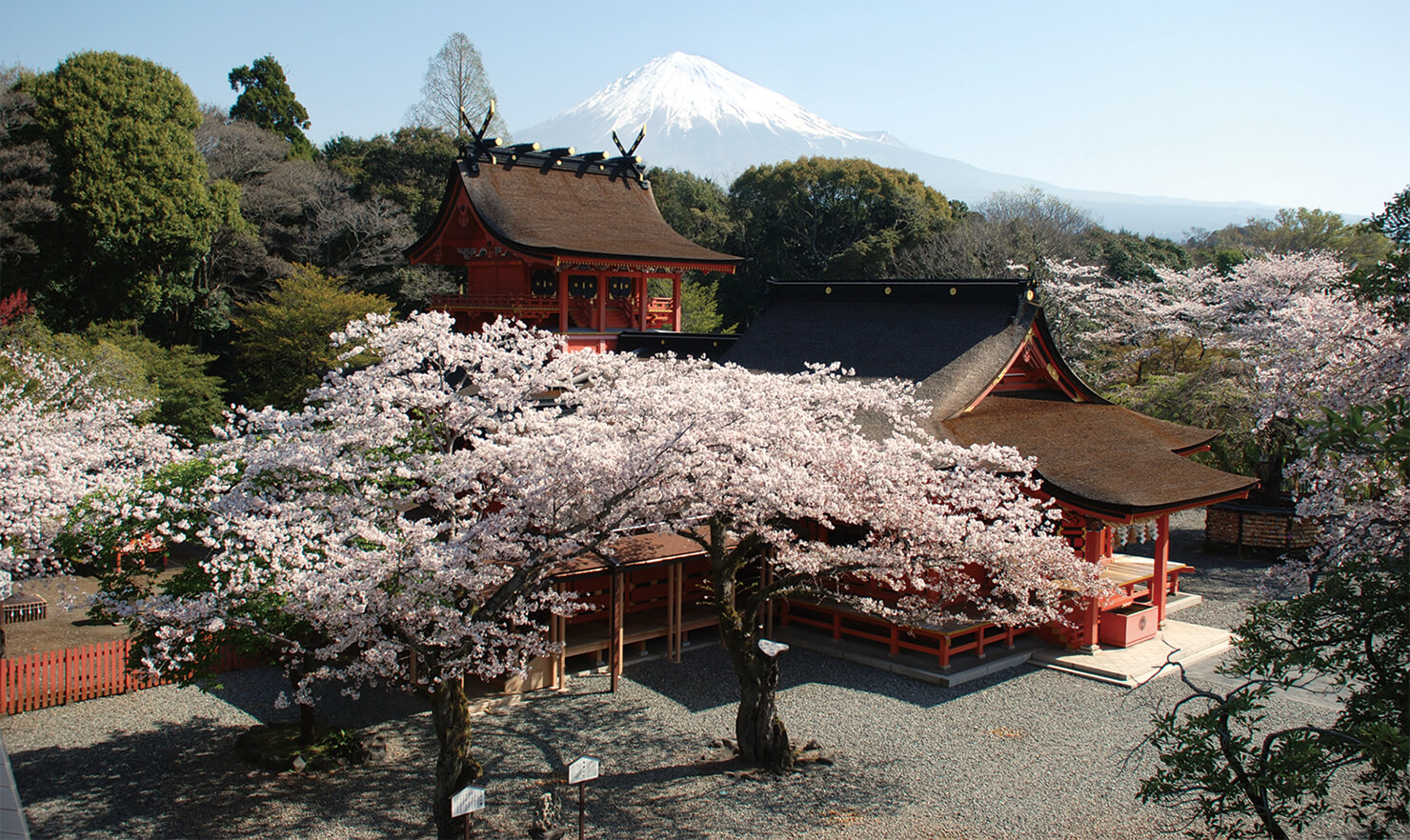
Object of Worship
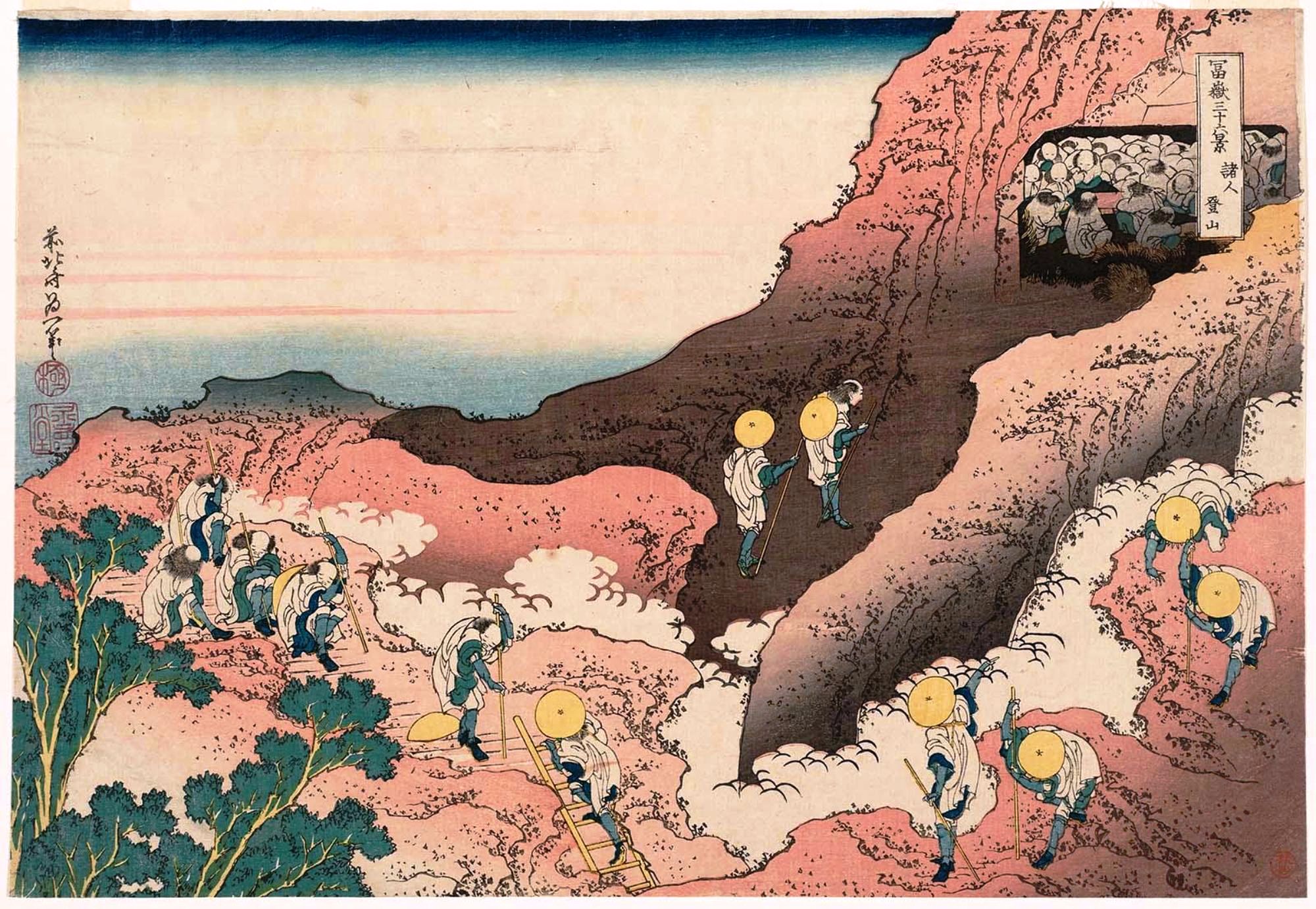
Over centuries, the Japanese have developed a profound spiritual connection with Mount Fuji. Legend tells of Hasegawa Kakugyo (1541–1646), a renowned ascetic, who purportedly ascended the mountain over 100 times, inspiring the formation of Fuji-ko, a group dedicated to worshipping Mount Fuji. Despite being banned by the Tokugawa Shogunate, this sect fervently built shrines, erected rock monuments, and practiced fasting to display their devotion. Despite this ban, Japan’s enduring tradition of mountain veneration ensures that Mount Fuji remains revered as a site of spiritual significance.
Mount Fuji has been both revered and feared throughout history, with eruptions documented as far back as the 8th century. Early worship of Mount Fuji involved distant admiration from its foothills, known as “Harai,” where shrines were erected in Kai (present-day Yamanashi Prefecture) and Suruga (present-day Shizuoka Prefecture) to honor the fire deity, Asama Daimyojin.
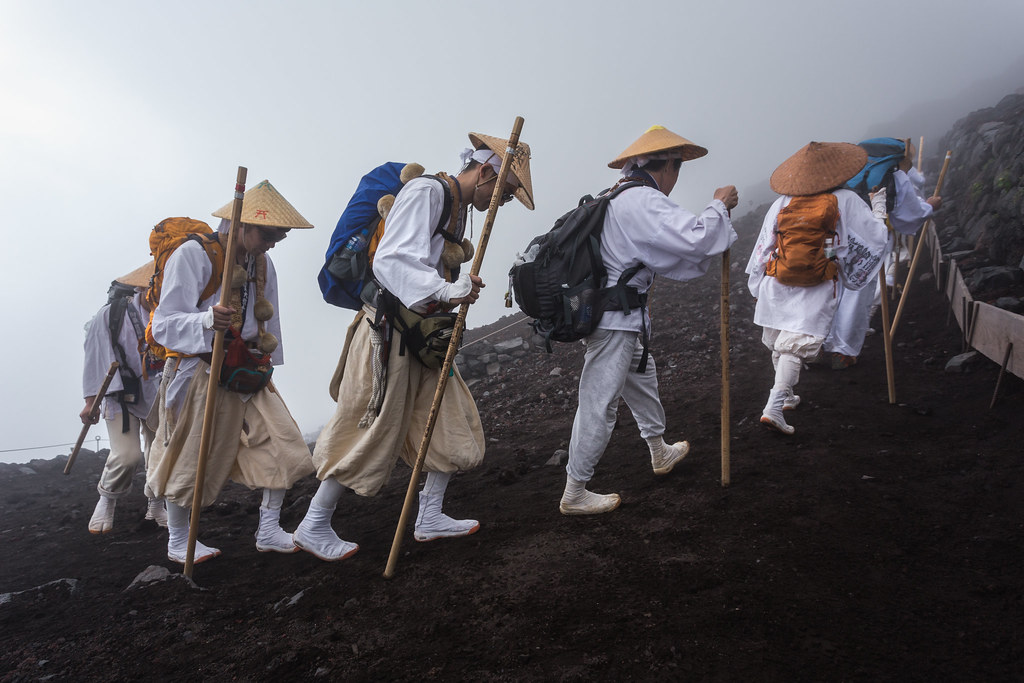
As volcanic activity subsided, religious practitioners known as Shugendo embraced Mount Fuji as a site for spiritual practices, leading to the tradition of “Tohai,” or pilgrimages to the summit.
| Century | Spiritual Bond with Mount Fuji in History |
| 12th | A devotee who ascended the mountain over a hundred times established the Fuji Kofuji Temple (in present-day Shizuoka Prefecture), giving rise to the Fuji Shugendo sect. |
| 14th | Commoners known as “Doshi” began visiting Mount Fuji in pursuit of spiritual enlightenment and rebirth in the Pure Land, undertaking pilgrimages with the guidance of “Oshi” who assisted and supported them along the way. |
| 17th | The Fuji-ko faith emerged, proclaiming Mount Fuji as the source of life. Additionally, pilgrimages to sacred sites along the mountain’s slopes and foothills became widespread. |
| 19th | Mount Fuji’s veneration took on a Shinto character, leading to the removal of many Buddhist statues previously enshrined in the area, while various forms of worship, including the participation of women in pilgrimages, became more widespread. |
| 20th | Improved transportation facilitated increased visits to Mount Fuji, attracting people from around the world for tourism and diverse climbing purposes. Nevertheless, to this day, Mount Fuji continues to draw visitors with a myriad of intentions and emotions. |
Site of Pilgrimage
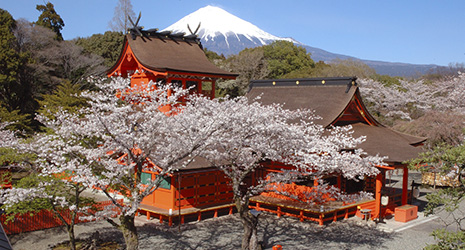
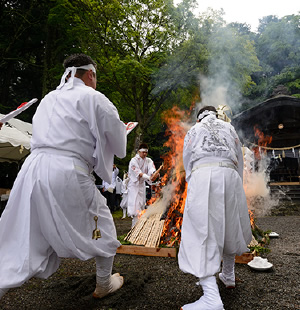
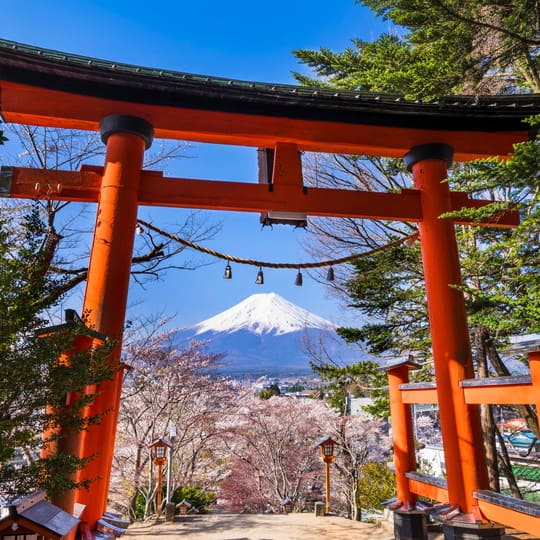
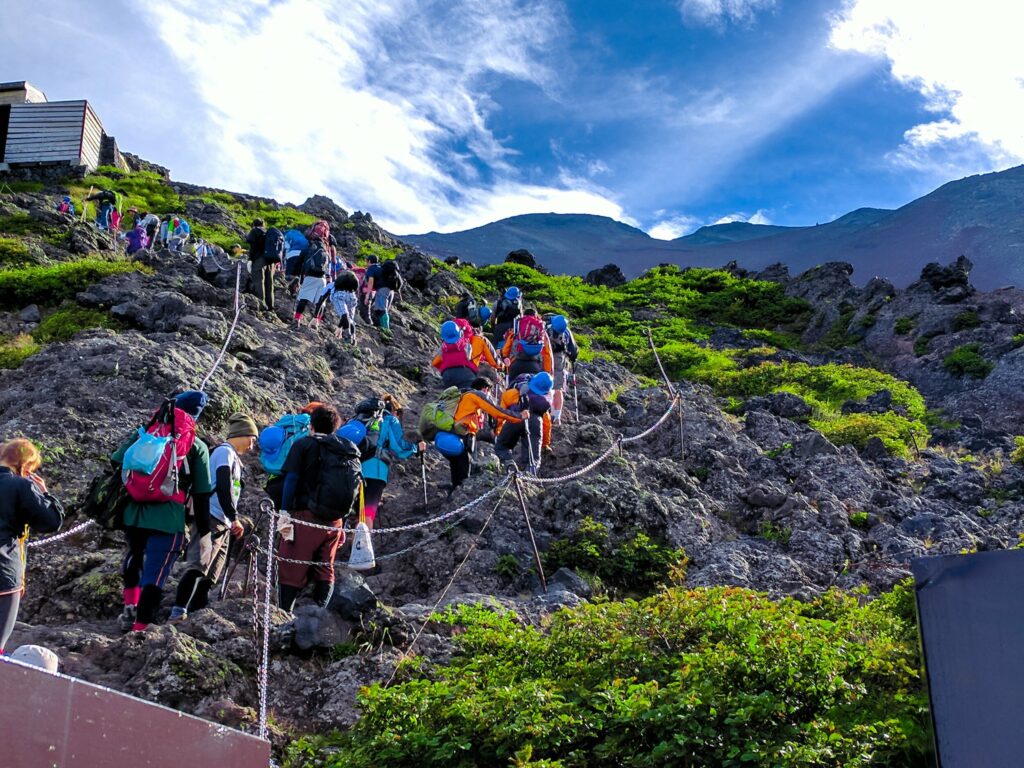
Around 200,000 to 300,000 people climb Mount Fuji every summer. Climbing up to the summit is popular at sunrise—climbers often begin their climb the previous day and stay overnight at a lodge on the mountain, then start climbing early the next morning to watch the sun rise over the horizon. In pre-modern times, Mount Fuji served as a destination for shugenja, practitioners of Shugendo, an acetic mountain worship faith, to undergo training, and even the lower classes were known to make pilgrimages here. The numerous shrines at the base of the mountain are a testament to Mount Fuji’s spiritual and historical significance.
Take a Virtual Hike up Mount Fuji
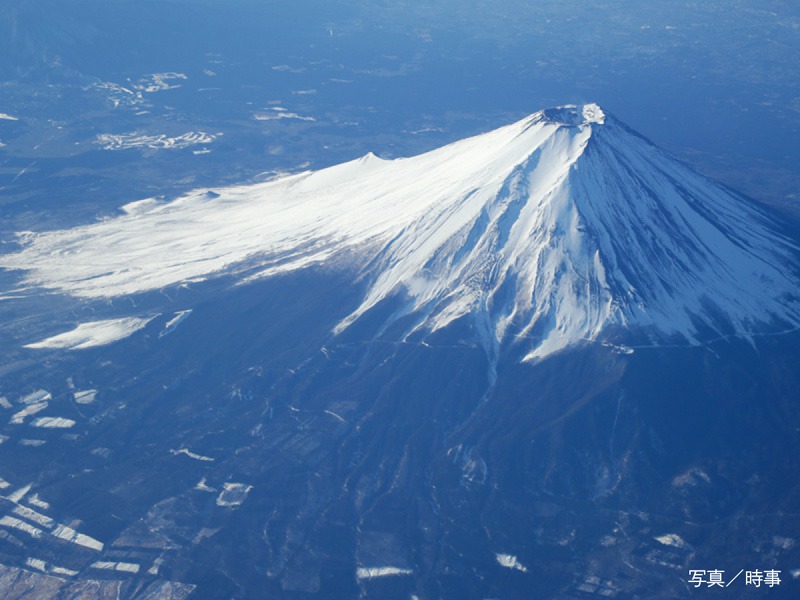
But …
Due to climate change,
Thawing permafrost on mountaintops.
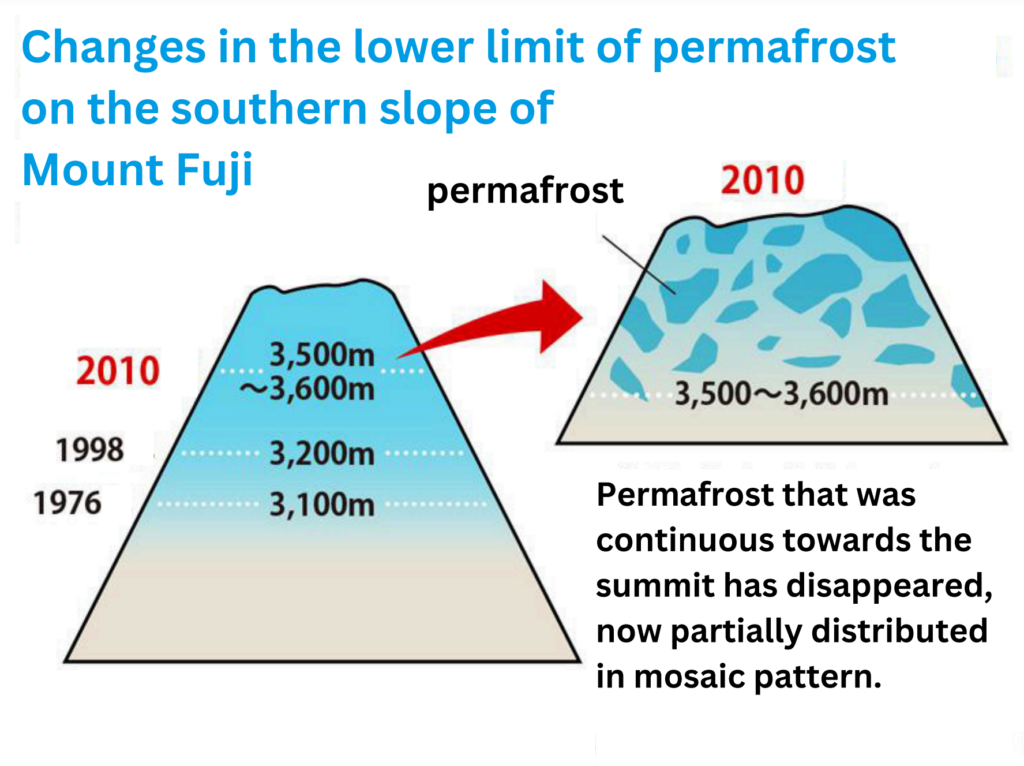
Thawing permafrost on mountain tops
Around Mount Fuji’s summit, at 3,776 meters above sea level, there is permafrost—soil or rock that remains below 0°C for two or more years. However, surveys conducted from 2007 to 2010 revealed that continuous permafrost had disappeared, and even the partially confirmed lowest point of permafrost was only at altitudes ranging from 3,500 to 3,600 meters.
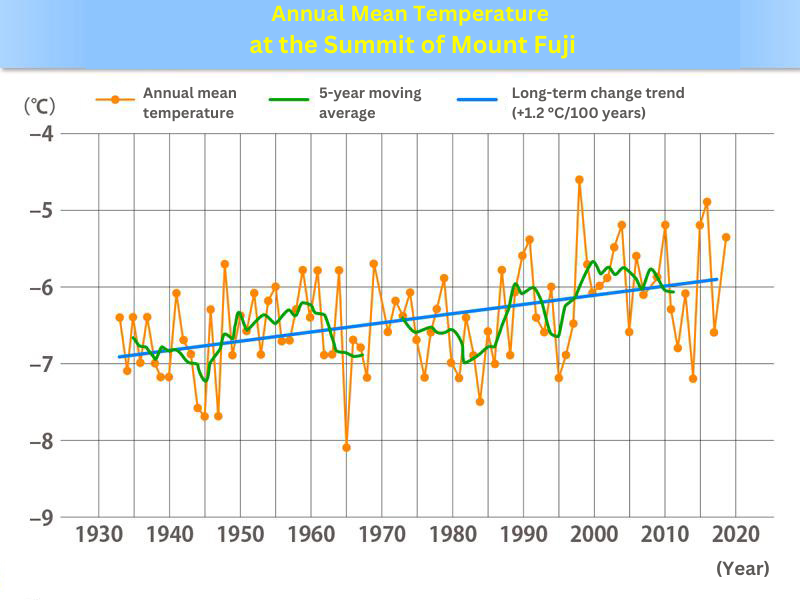
The average annual temperature of Mount Fuji has increased by 1.2°C in 100 years
Mount Fuji’s annual average temperature, spanning from 1991 to 2020, stands at -5.9°C, akin to regions near Russia’s Siberia. Recordings at the summit show a low of -38.0°C in February 1981 and a high of 17.8°C in August 1942. Notably, temperatures above 20°C have yet to be recorded there. While the 1930s and 1940s saw frequent -7°C readings, post-1995, -7°C years have been rare, with temperatures mostly hovering around -5°C. Since 1933, Mount Fuji’s annual average temperature has risen by 1.2°C per century, paralleling Japan’s overall warming trend.
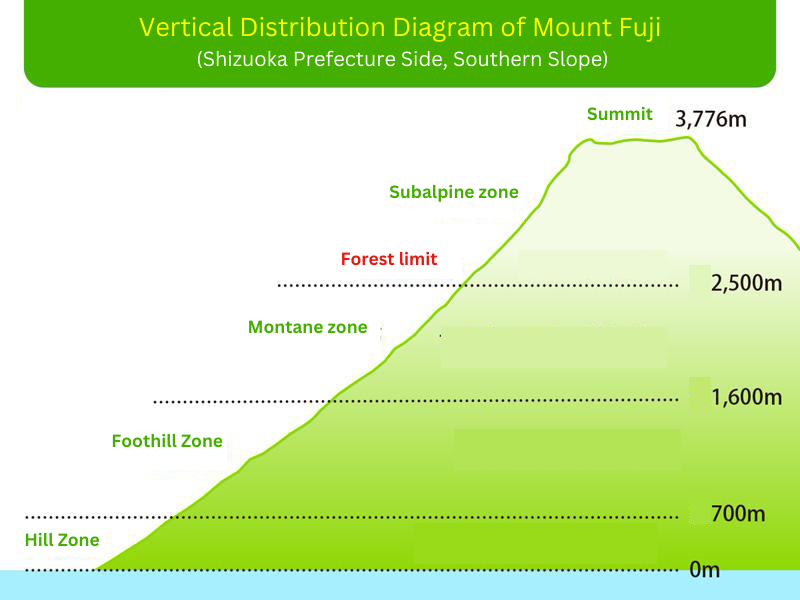
Rising forest limits
Due to rising temperatures, Mount Fuji’s treeline is shifting, signaling ecological changes. The treeline marks the altitude where forests can no longer grow due to climate conditions, making it a key indicator of climate change impact.
On Mount Fuji’s southern slope, the treeline is around 2,500 meters, with a transition zone spanning 150 to 200 meters. It’s rebounding from the 1707 Hoei eruption, expected to reach 2,800 meters, similar to the western slope. However, global warming’s effect on this shift raises concerns.
Research spanning 1978 to 2018 shows the treeline, marked by larch trees, gradually ascending. This is attributed to shorter winters, longer growing seasons, and increased carbon dioxide levels, enabling trees to withstand harsh conditions.
Continued warming may accelerate the treeline’s rise. Over time, larch trees may decrease as evergreen conifers rise. Despite Mount Fuji’s iconic status and UNESCO recognition, proactive climate actions are essential to preserve its natural environment.