History of Dog Sledding
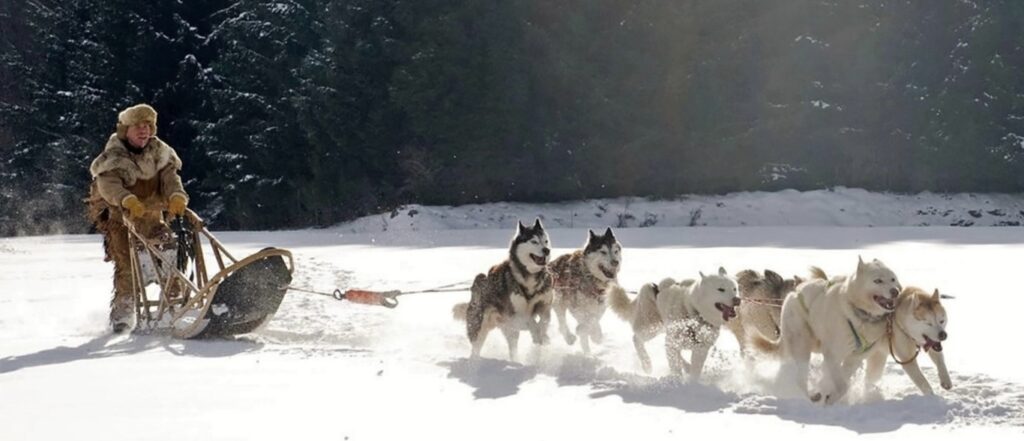
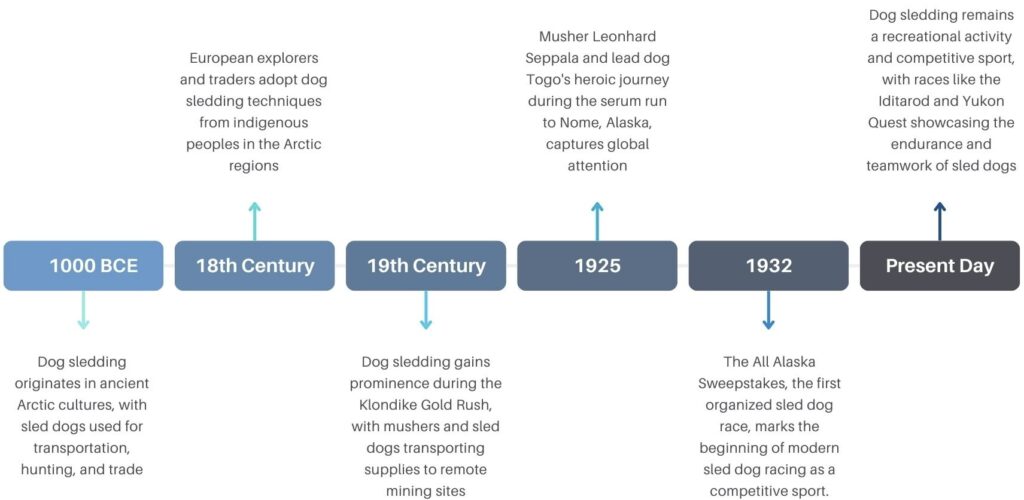
Dog sledding, also known as mushing, has a long history originating in ancient Arctic cultures. Used for transportation, hunting, and trade, sled dogs played a crucial role in survival. During the 19th century gold rushes, mushers and their teams became iconic figures, navigating treacherous terrain. Today, dog sledding is a popular sport and cultural tradition, with modern breeds bred for athleticism and endurance. From recreational mushing to competitive racing, dog sledding remains a symbol of adventure in cold climates worldwide.
The Impact of Climate Change
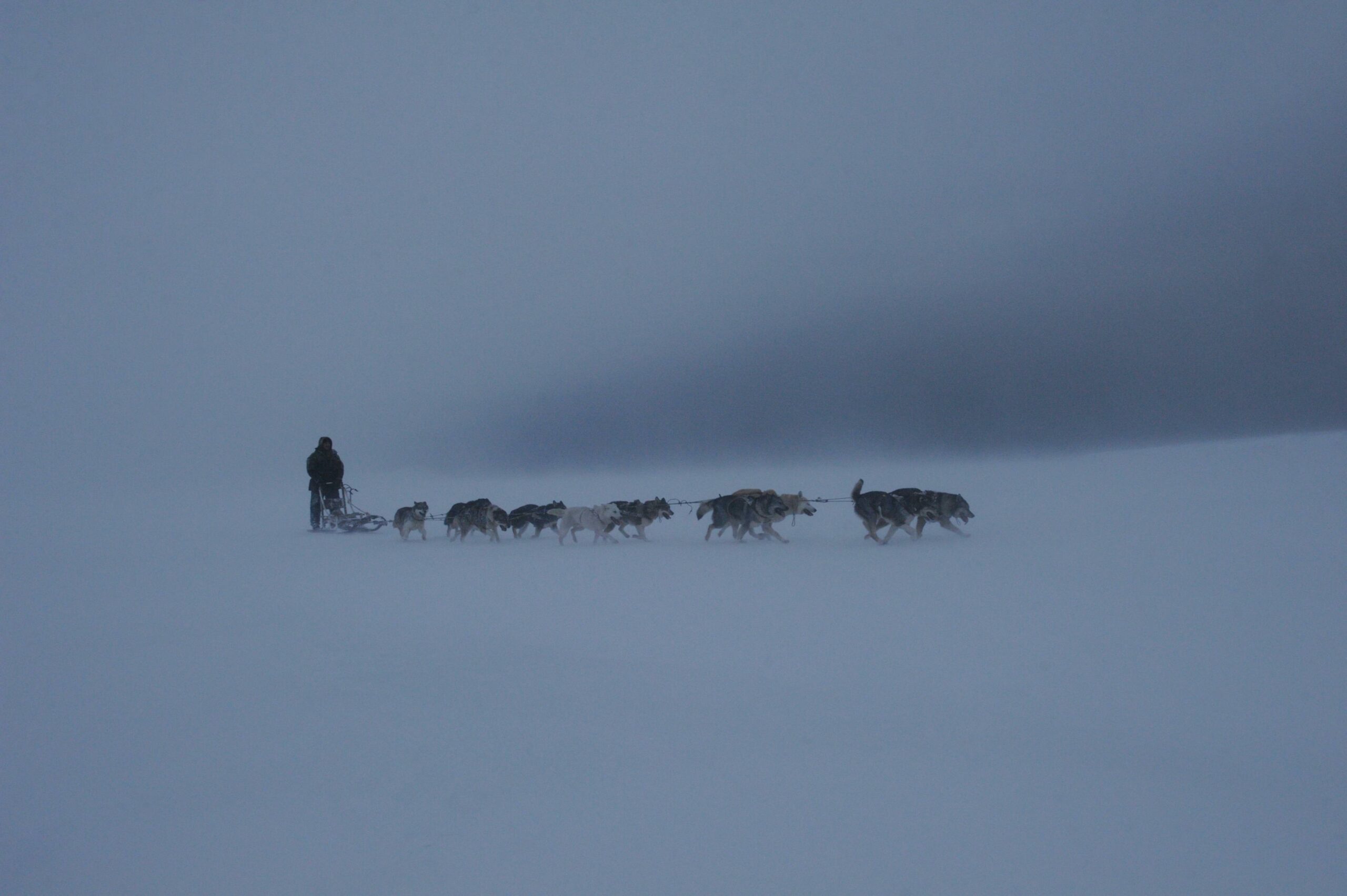
Climate change is affecting dog sledding as rising temperatures and unpredictable weather patterns disrupt traditional winter conditions. Decreasing snowfall and shorter winter seasons challenge mushers’ ability to train and compete, impacting indigenous Arctic communities who rely on sledding for transportation and cultural practices.
Melting ice and thawing permafrost create hazardous trail conditions, increasing risks for mushers and sled dogs. Shifts in weather patterns also affect the health of sled dogs, with warmer temperatures posing risks of heat stress and dehydration.
To adapt, mushers are exploring alternative training methods and adjusting race schedules. Advocacy for sustainable practices and efforts to mitigate greenhouse gas emissions are crucial to protect dog sledding traditions and the ecosystems they depend on.
Sustainable Development Goals
SDG 11 – Sustainable cities and communities – which aims to “make cities and human settlements inclusive, safe, resilient and sustainable,” is relevant for the exhibit as mushing can positively impact rural economic development and community resilience in the Arctic region. By focusing on climate change awareness and encouraging the audience to experience mushing, the exhibit contributes to the development of tourism in this region while fostering sustainable practices at the same time. This can enhance local livelihoods while preserving cultural heritage (United Nations, 2024a).
SDG 13 – Climate action – which aims to “take urgent action to combat climate change and its impacts,” is particularly pertinent to the exhibit as the main factors that put the practice of mushing at risk are related to the impacts of climate change on snow and ice conditions. The exhibit advocates for an awareness of the effects of climate change and calls for action from different stakeholders (United Nations, 2023a).
SDG 15 – Life on land – which focuses on halting biodiversity loss among other concerns, is relevant to the exhibit as the natural environments where mushing is practiced are being disrupted and minimising these disruption is the main goal of the project (United Nations, 2023b).