A digital archive of Beatrix Potter’s Lake District oasis. to preserve the flora and fauna that forms the English countryside and help us understand the threats to this rich ecological system.
A resource that that reflects the rich ecological environment and biodiversity present at Hill Top Garden, this online repository will be designed to serve as a multifaceted resource, offering students, researchers, and casual visitors an in-depth look at the species in the garden, the ecological relationships that comprise the garden, and the conservation status of the garden’s inhabitants.
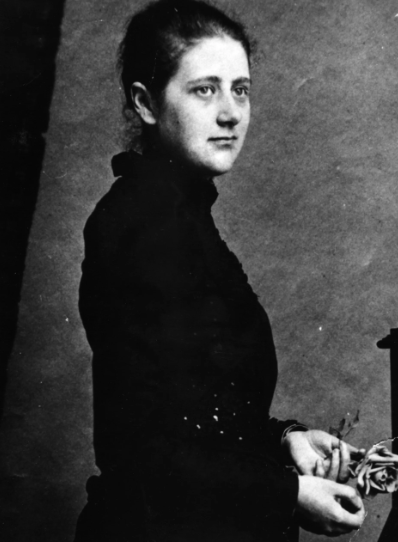
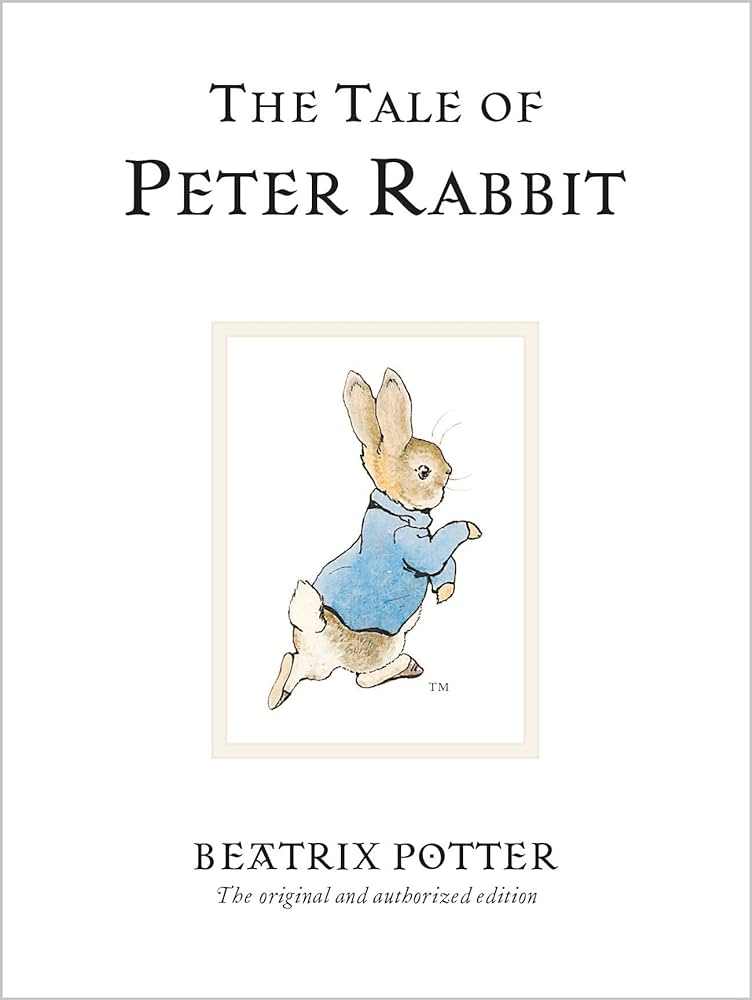
Beatrix Potter was an English write and illustrator with a passion for natural sciences and conservation. Born in 1866 and raised in an affluent home, Potter developed a love for the natural world and animals at a very young age. Most famous for her children’s book The Table of Peter Rabbit, Potter wrote and illustrated 28 books. Beyond her literary focuses, Potter had a wealth of scientific expertise that contributed to her thorough love for and appreciation of the Lake District. In the later part of her life, Potter dedicated her resources towards conservation. Her home, Hill Top, formed the core of her Lake District properties that are now part of the National Trust.
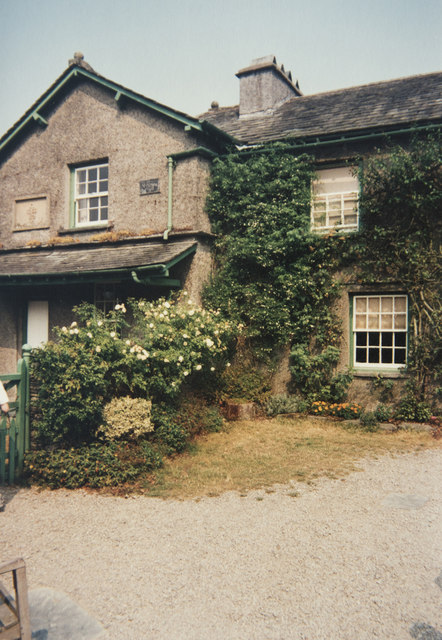
On the right, Hill Top Garden’s farmhouse, in an image by Marion Dutcher.
The Gallery
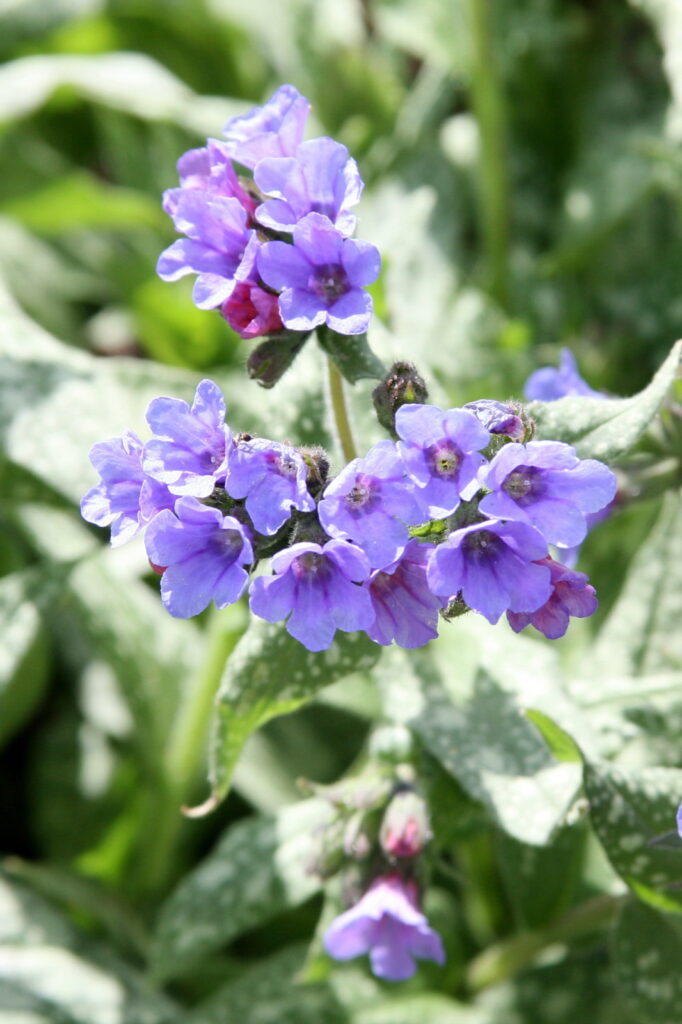
Lungwort
Cliff, flickr.com
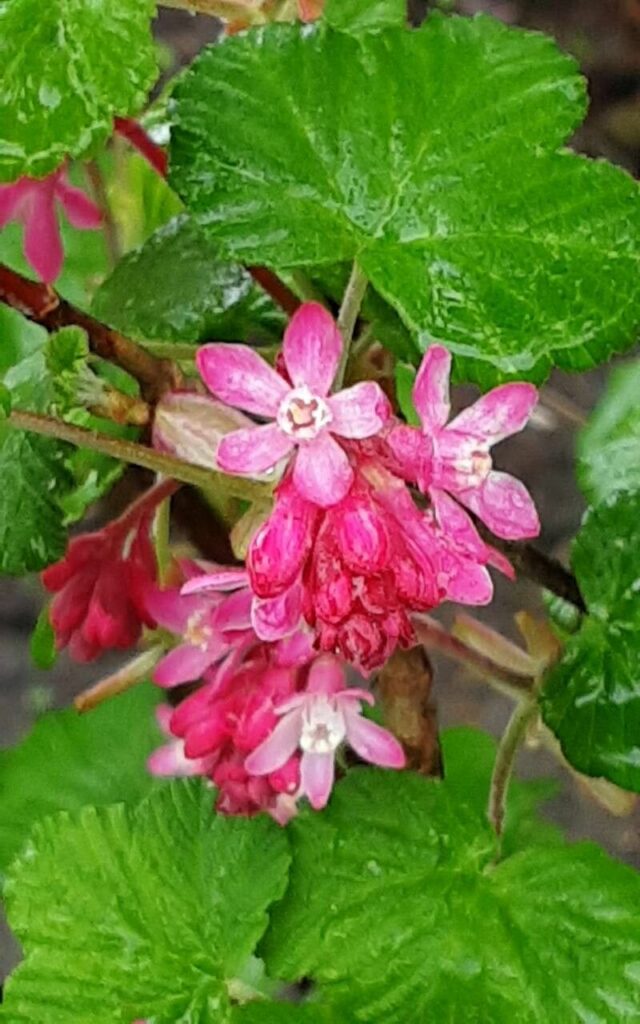
Flowering currant
KP Laer, planttnet.org
What are the threats?
- Increased Rainfall and Flooding
- Temperature Fluctuations
- Pests and Disease
- Changing Seasonal Patterns
- Conservation Challenges
Hill Top Garden faces several climate change threats that could affect its preservation and biodiversity – the Lake District, already vulnerable, is at increased risk due to changing weather patterns, rising temperatures, and the comprised wellbeing of the biodiversity that stems from these risks.
“Hill Top itself is a two-story farmhouse originally from the seventeenth century, with a pitched roof and vines that creep up the outside. In the summer, the garden is full of roses, hollyhocks and saxifrage, but in late winter it is in hibernation, with just a few shoots poking through the hard ground. The site is still a working farm, and I could smell the animals; dogs were barking nearby.” – Anna Russell, The New Yorker
Hill Top’s Location
Located in the centre of the Lake Distract, Hill Top offers an ideal examination of the beautiful area.
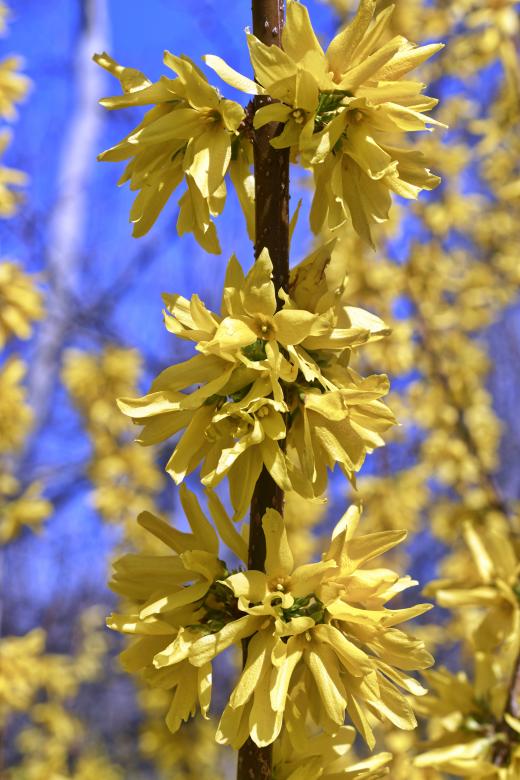
Flowering Forsynthias
Mircea Iancu
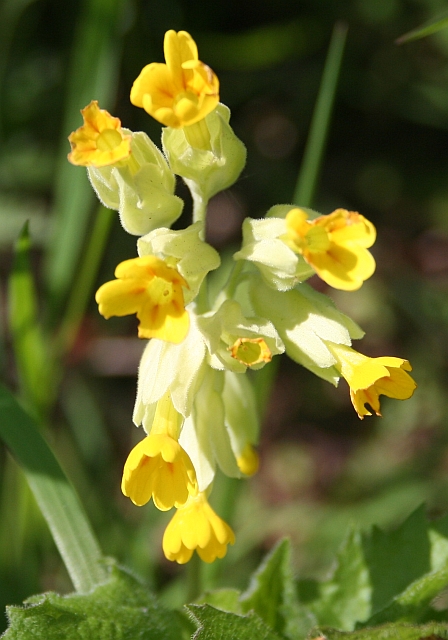
Cowslips
Bob Embleton
Sustainable Development Goals
Creating a digital archive of the flora and fauna of Hill Top can significantly contribute to several Sustainable Development Goals (SDGs). Digital archives can serve as rich resources for students, researchers, educators, and the general public. They can help researchers, and, potentially, historians, understand the ecological makeup of a place, while also promoting biodiversity conservation.
- SDG 13 (Climate Action)
- SDG 15 (Life on Land)
- SDG 11 (Sustainable Cities and Communities)
- SDG 4 (Quality Education)
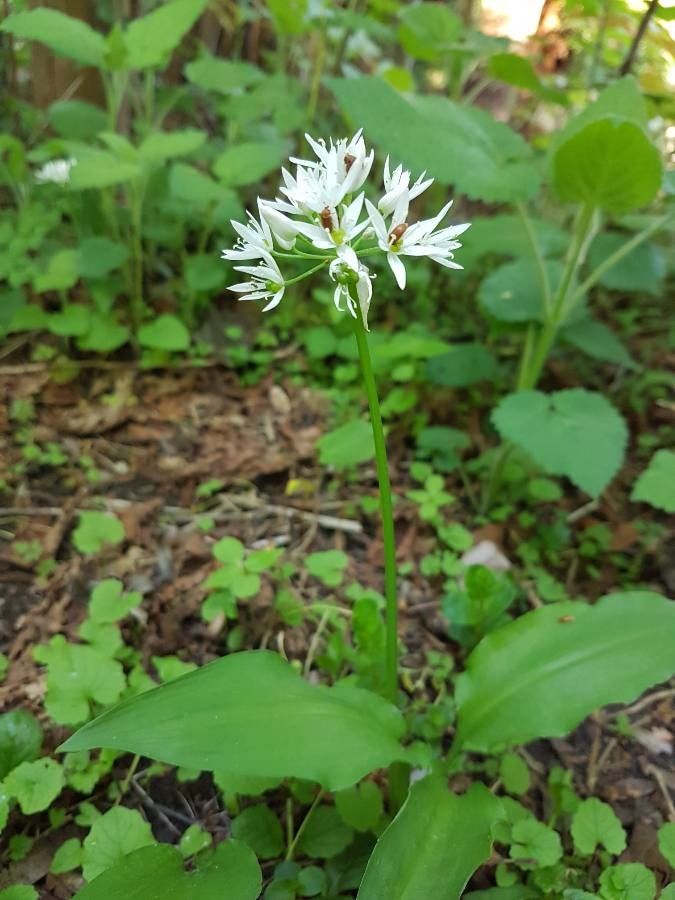
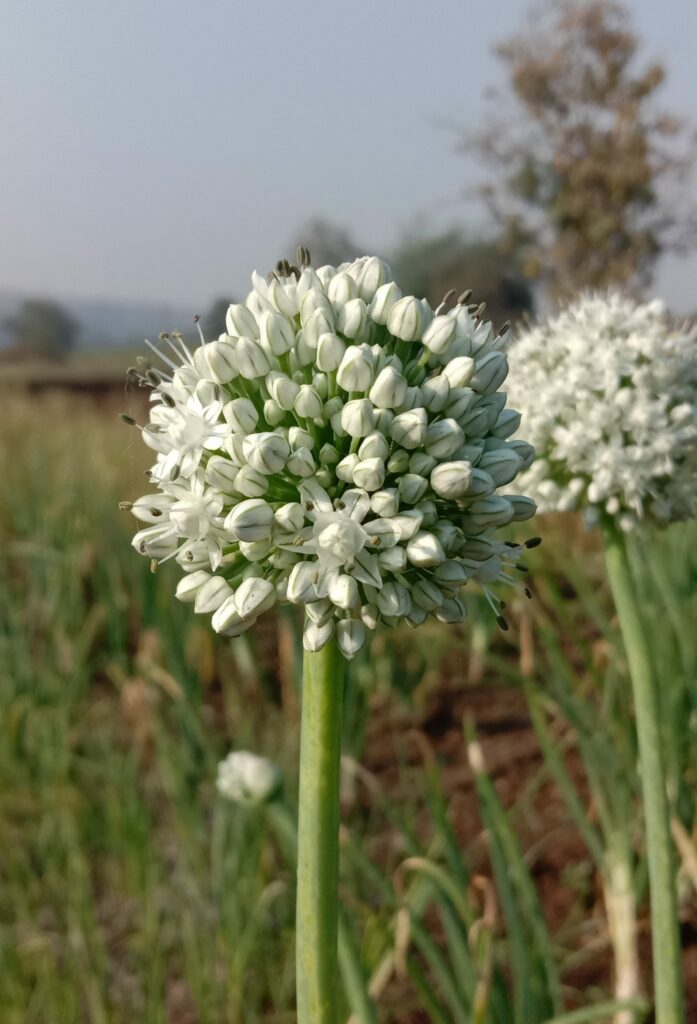
Wild Garlic
Plantnet.org
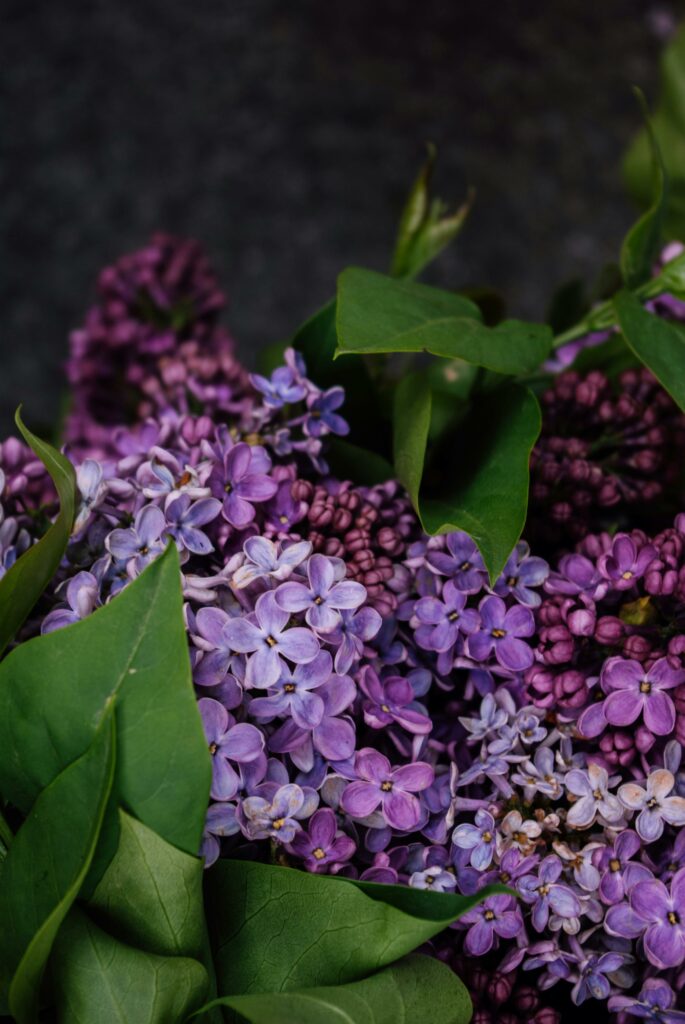
Lilacs
Dagmara Dombrovska
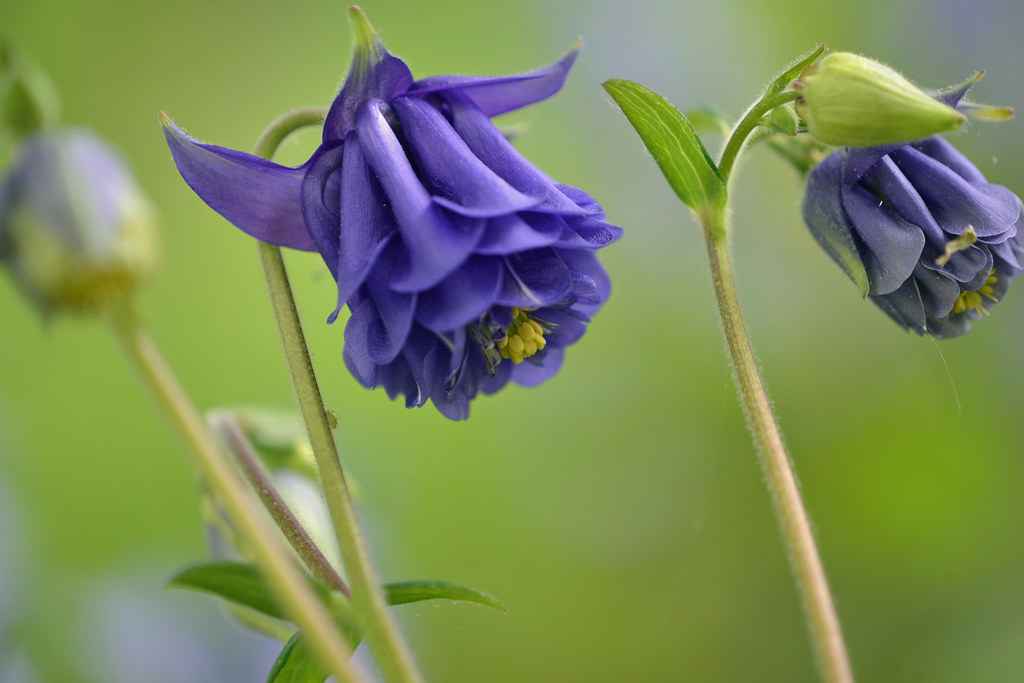
Blue Wisterias
Hotaru Tomoe
Azaleas
Ogawa Kazumasa
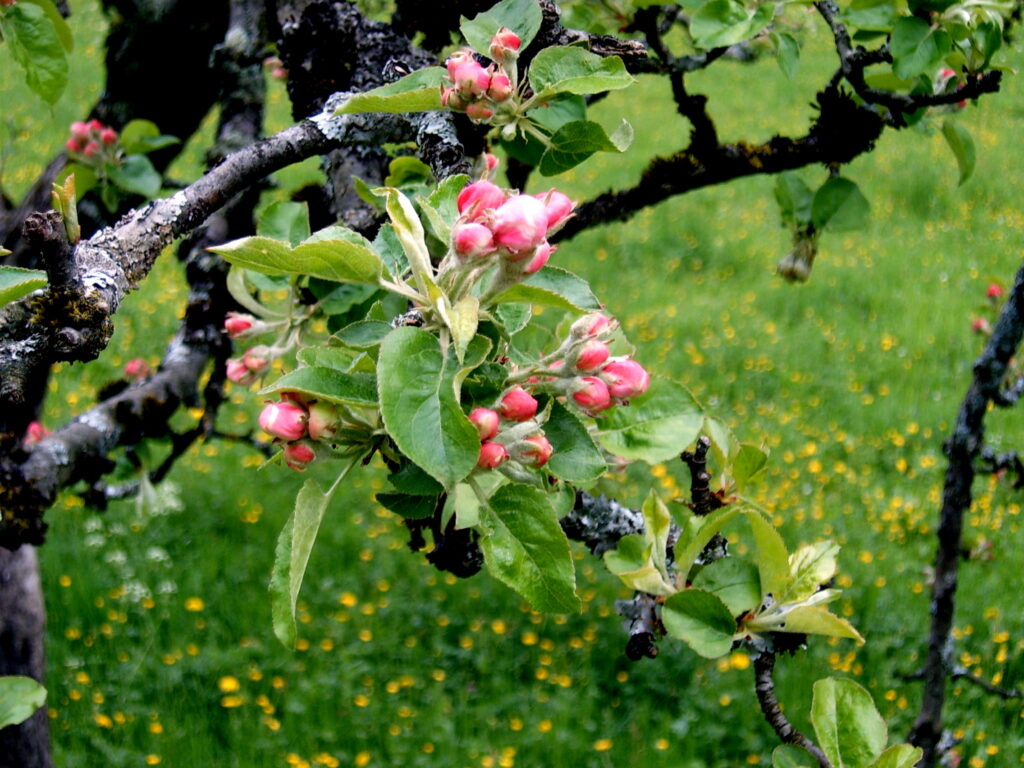
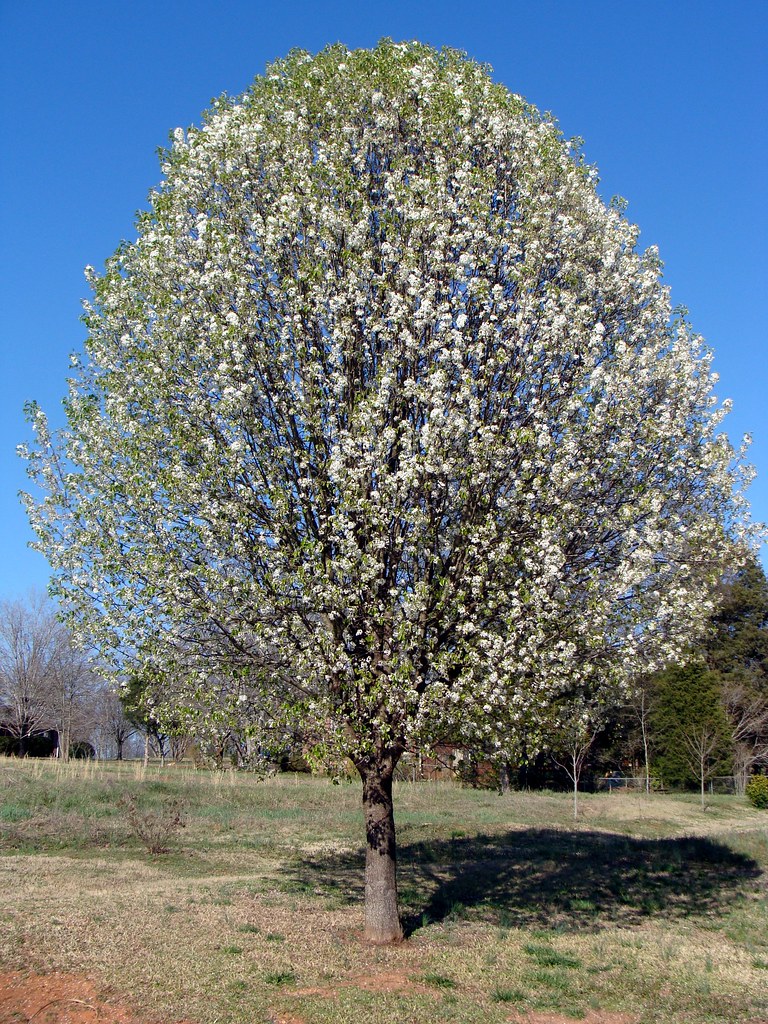
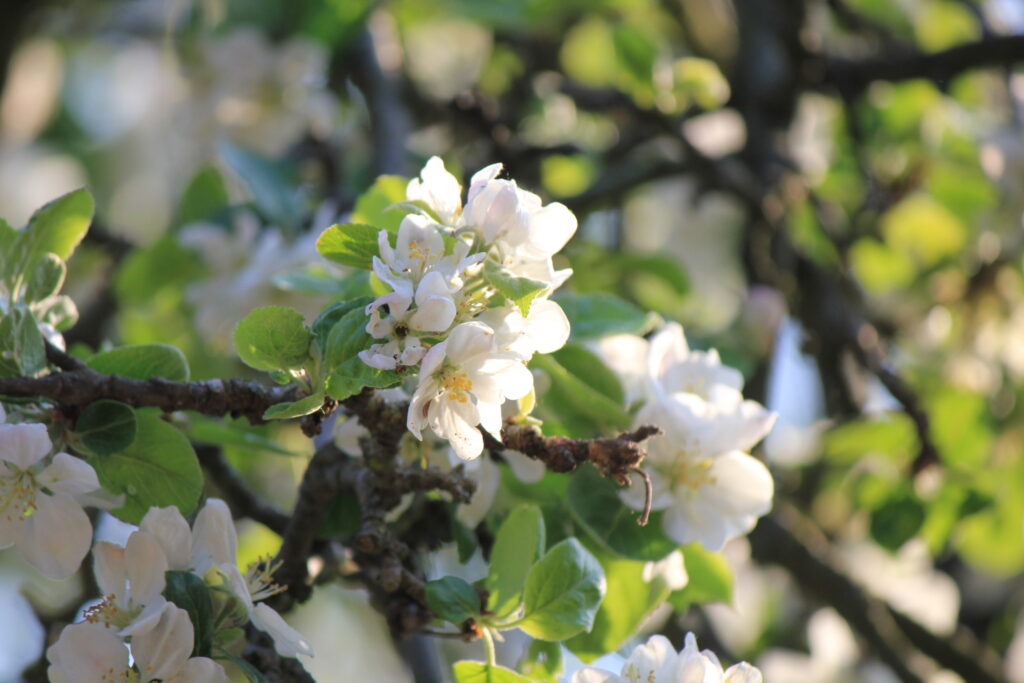
Pear Tree
Martin LaBar
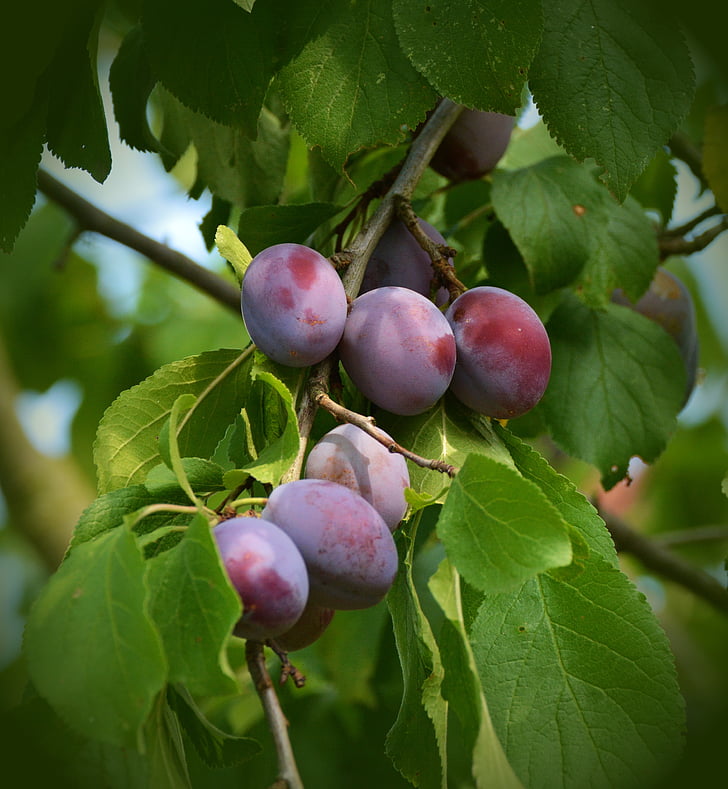
Damson Tree
PickPik
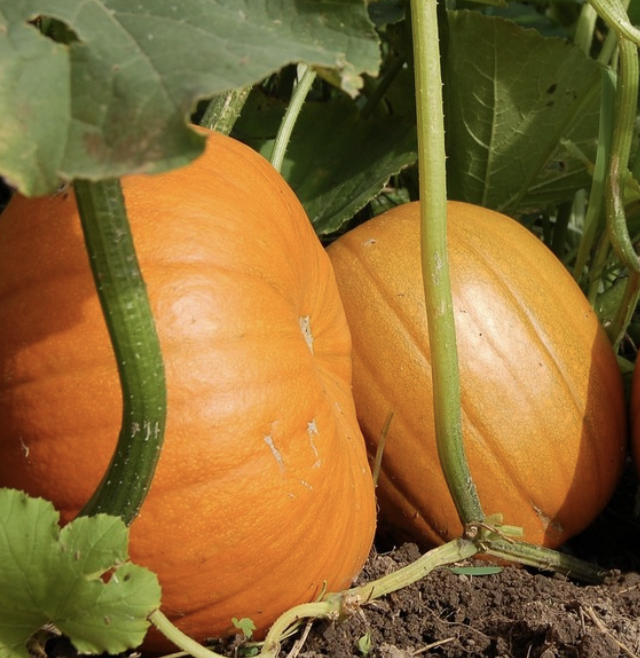
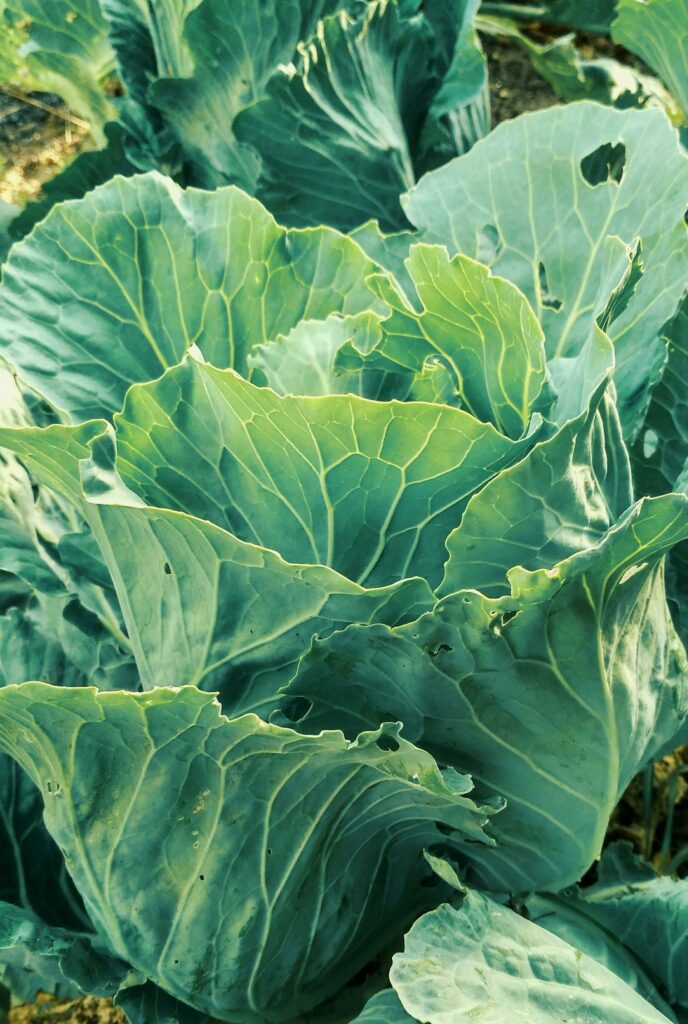
Cabbage
Ksenia Frantsuzova
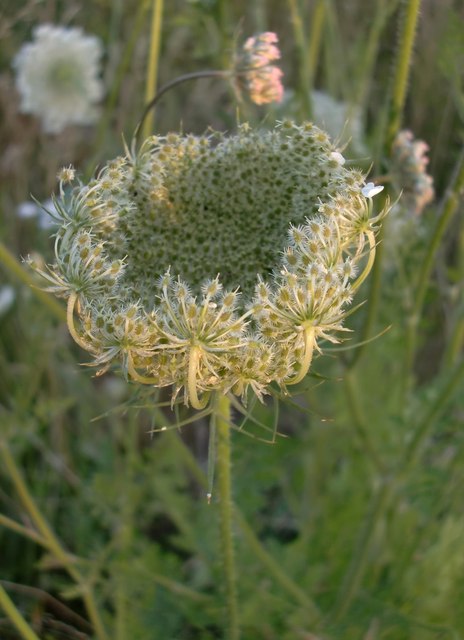
Wild Carrot
Stefan Czapski
SOURCES
BGCI (n.d.). Botanical Gardens Conservation International. [online] Botanic Gardens Conservation International. Available at: https://www.bgci.org.
Climate Heritage Network. (n.d.). Climate Heritage Network. [online] Available at: https://www.climateheritage.org [Accessed 7 May 2024].
Marcoux, S. (2021). We Have Peter Rabbit to Thank for the Conservation of England’s Lake District. [online] Veranda. Available at: https://www.veranda.com/outdoor-garden/a35997812/beatrix-potter-hill-top-farm/.
Miranda’s Notebook. (n.d.). Visiting Beatrix Potter’s Hill Top Farm in the Lake District. [online] Available at: https://mirandasnotebook.com/blog/visiting-beatrix-potters-hill-top-farm-in-the-lake-district [Accessed 7 May 2024].
National Trust. (n.d.). Hill Top | Lake District. [online] Available at: https://www.nationaltrust.org.uk/visit/lake-district/hill-top.
National Trust. (n.d.). Visiting Hill Top’s garden | Cumbria. [online] Available at: https://www.nationaltrust.org.uk/visit/lake-district/hill-top/things-to-do-in-hill-top-garden [Accessed 7 May 2024].
The New Yorker. (2022). The Secret Life of Beatrix Potter. [online] Available at: https://www.newyorker.com/news/letter-from-the-uk/the-secret-life-of-beatrix-potter.
United Nations (n.d.). The 17 Sustainable Development Goals. [online] United Nations. Available at: https://sdgs.un.org/goals.www.hilltopgarden.co.uk. (n.d.).
HILLTOP GARDEN. THE GARDEN. [online] Available at: http://www.hilltopgarden.co.uk [Accessed 7 May 2024].
Unesco.org. (2024). UNESCO Archives. [online] Available at: https://unesdoc.unesco.org/archives [Accessed 7 May 2024].