Welcome to the Iwami Ginzan Digital Exhibition
Explore the rich history of this famous silver mine, discover the climate threats it faces, and learn about sustainable development strategies.
Between 1527 to 1923, Iwami Ginzan flourished as one of the world’s great silver mines, with as much as one-third of the world’s 16th century silver sourced here
Welcome to the virtual exhibition of Iwami Ginzan, a fascinating journey through history. Located in Shimane Prefecture, Japan, Iwami Ginzan was once one of the world’s largest silver mines and a key player in the global silver trade from the 16th to 20th centuries. This UNESCO World Heritage site showcases the unique mining culture, stunning landscapes, and the enduring legacy of this remarkable place.
Explore the rich history of Iwami Ginzan through interactive exhibits, 3D models, and immersive multimedia experiences. Discover the ingenious mining techniques, the vital transportation routes, and the vibrant communities that thrived around the mine. Learn about the current challenges posed by climate change and the strategies being implemented to promote sustainable development and preserve this invaluable heritage for future generations.
Embark on a virtual tour of the mine, the surrounding villages, and the beautiful natural scenery that defines this region. Gain insights into the lives of the miners, merchants, and families who shaped the history of Iwami Ginzan. This digital exhibition offers a window into a bygone era and a deeper understanding of the significance of this extraordinary site.
Join us on this captivating journey through time and space, as we uncover the stories, the challenges, and the enduring spirit of Iwami Ginzan.
Iwami Ginzan Gallery
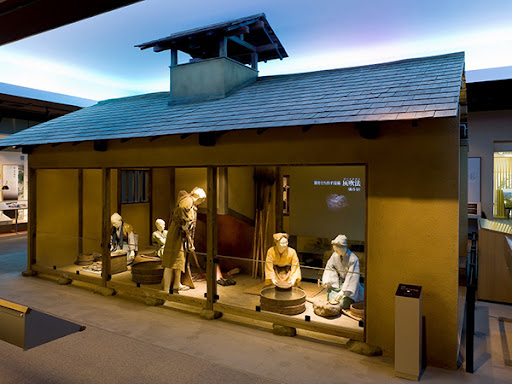
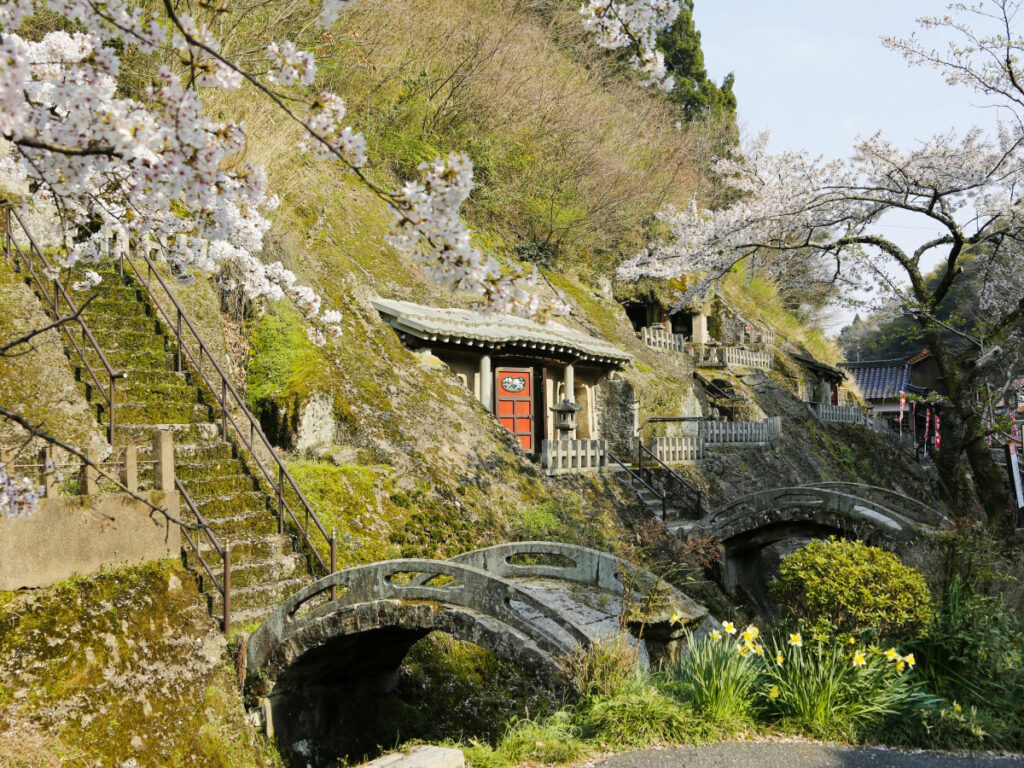
Introduction of Iwami Ginzan
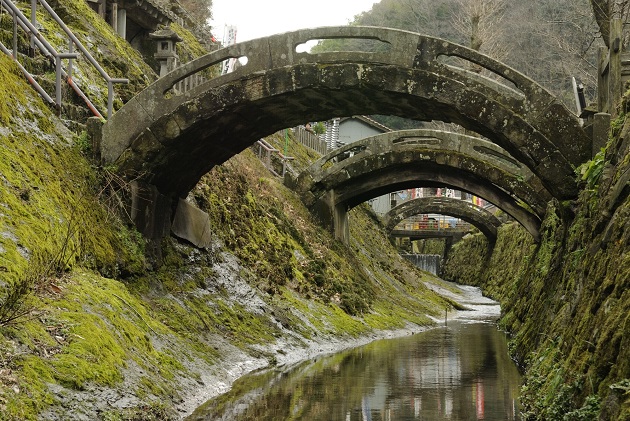
Iwami Ginzan Silver Mine, located in the Shimane Prefecture of Japan, is a UNESCO World Heritage Site that showcases the rich history of silver mining in the region. The mine, which was active from the 16th to the 20th centuries, played a crucial role in Japan’s economy and global trade during the feudal period. The site encompasses not only the underground mines but also the surrounding cultural landscape, including fortresses, transportation routes, and port towns, providing a comprehensive picture of the silver production and distribution process.
The significance of Iwami Ginzan Silver Mine lies in its unique technological advancements, socio-economic impact, and cultural heritage. The mining techniques employed at Iwami Ginzan were highly sophisticated for their time, and the site served as a major source of silver for Japan and the world. The mine’s prosperity also had a big impact on the region’s social and economic structures, shaping the lives of the people who worked and lived there.
Today, Iwami Ginzan Silver Mine stands as a testament to Japan’s industrial heritage and its role in global economic and cultural exchange. However, the site faces challenges posed by climate change, such as increased rainfall and landslides, which threaten the integrity of the mines and the surrounding landscape. Preserving this unique heritage site and promoting sustainable tourism practices are crucial for ensuring its long-term protection and sharing its history with future generations.
Explore Iwami Ginzan
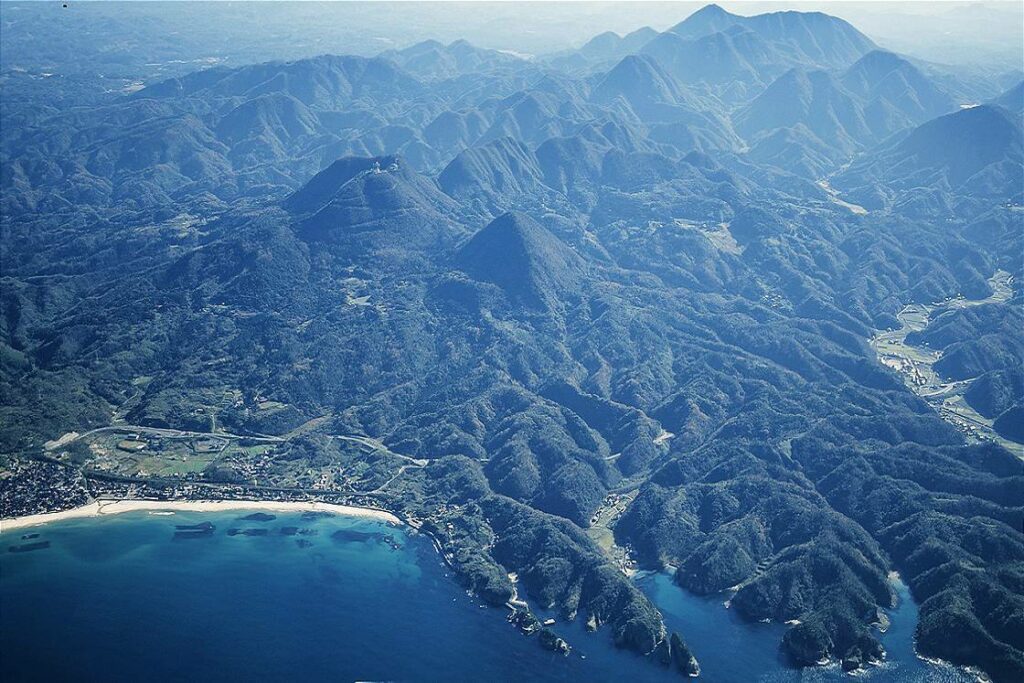
Enjoy a leisurely stroll or a long hike
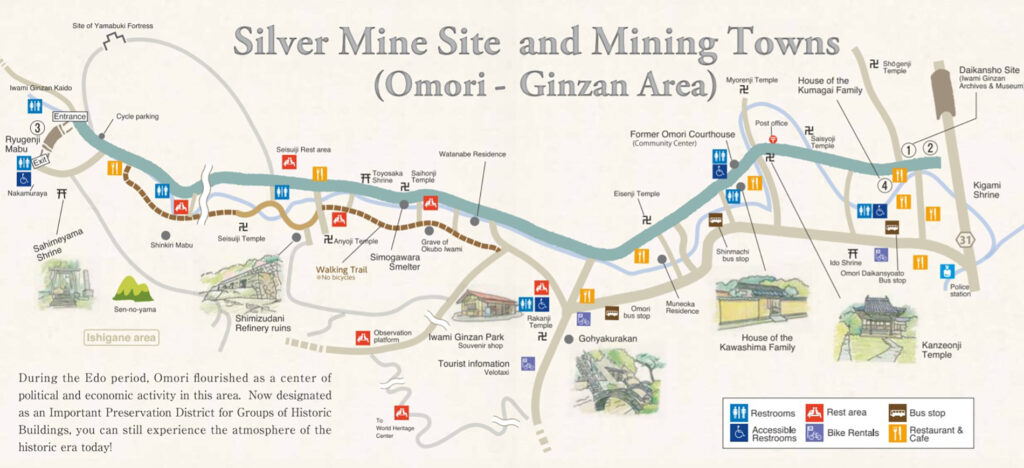
Silver mine are located in a vast natural environment and have coexisted with that environment for a long time. Iwami Ginzan is spread over a large area, and you can choose from a number of routes to explore – depending on which path you choose, you might encounter rugged mountain passes or paths that wind through the countryside.
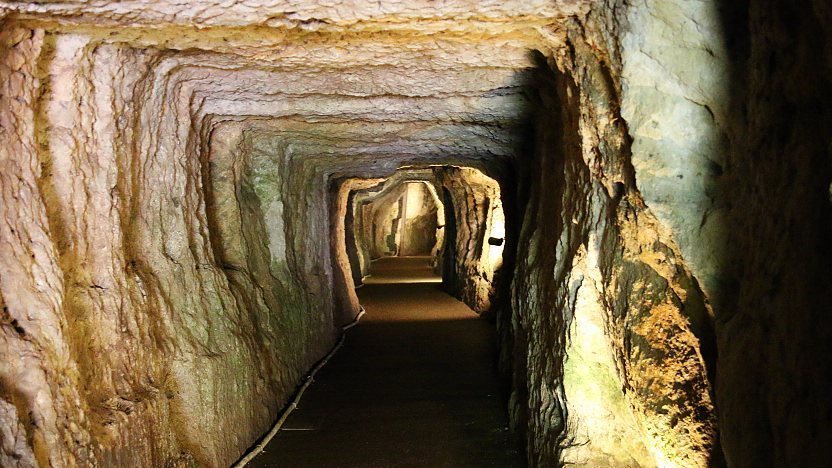
Go through the mine
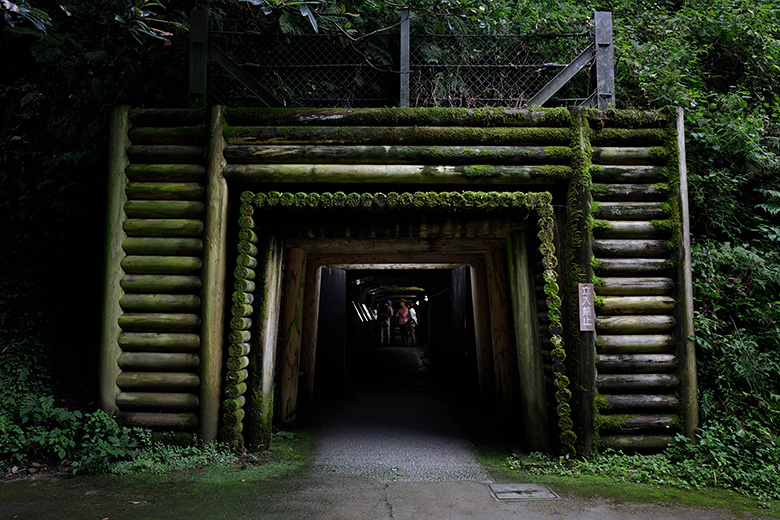
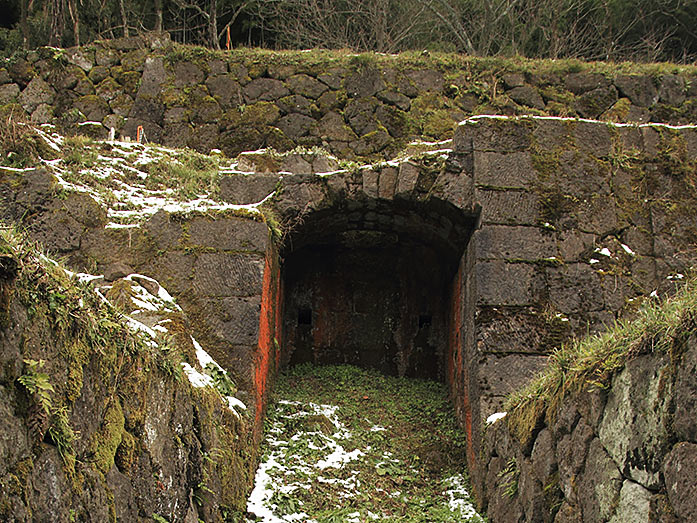
The mine has approximately 1,000 shafts, known as “mabu”. Among them, the Longyuan Temple Mabu Mine was put into operation in 1715 and is open to tourists, showcasing the various mining techniques used over the centuries. Walking through the entrance of a small tunnel within the forest allows you to understand the mining process, which is completely manual. You will exit from the other side.
Learn about ancient mining techniques
The miners of Iwami Ginzan used a refining method called “haifuki-ho” (cupping method), which was introduced to Japan via Korea in 1533. The method involved melting silver ore and lead into an alloy, which was then spread in a furnace and heated at high temperatures. The temperatures used to extract silver are very high. This method greatly increased Japan’s silver production.
Stroll through an old mining town
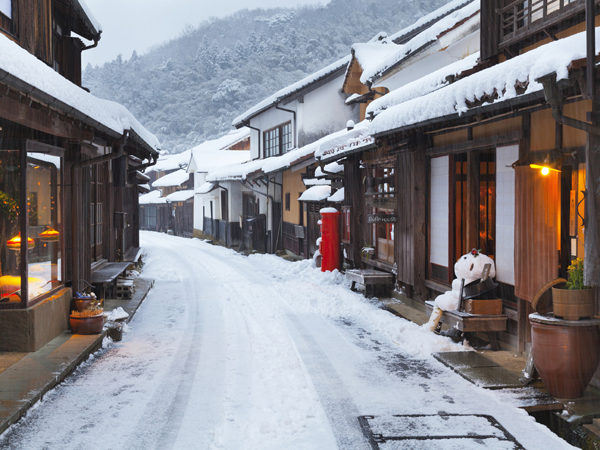
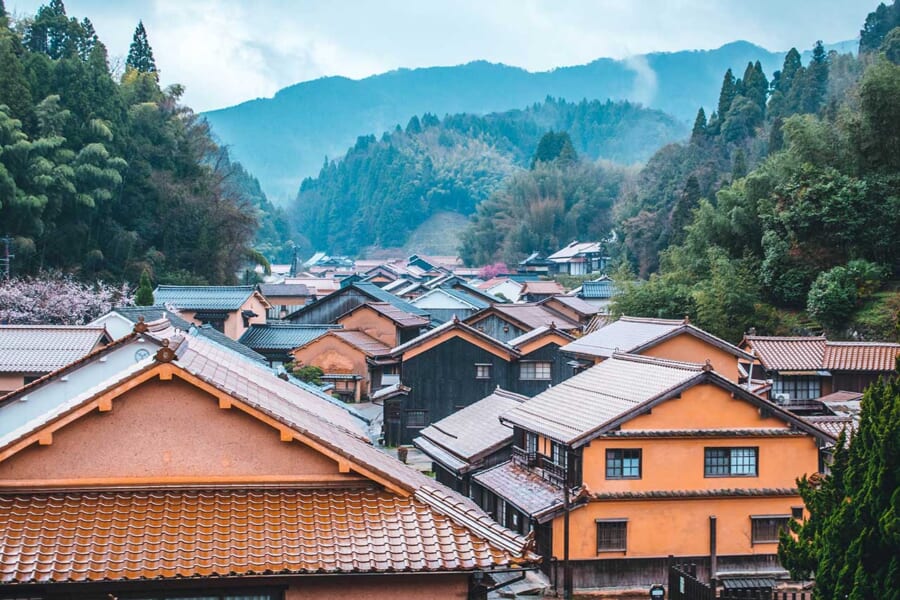
Two kilometers away from Longyuan Temple Mabu Mine is Omori. The settlement developed along the mine shafts and was home to the Sheriff’s Office, ancient samurai residences, shrines and shops. Today, you will find that many of these buildings have been renovated into cafes and souvenir shops. Of particular note is the Kumagai family mansion. This building is the oldest residence in the residence and will give you a glimpse into the life of successful silver merchants of past centuries.
Peep into the caves of a mountainside temple
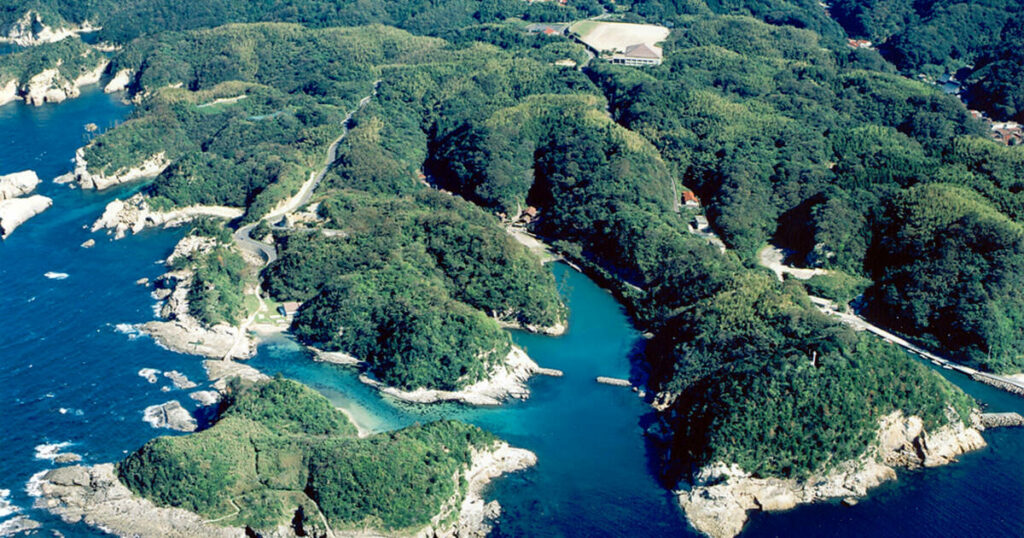
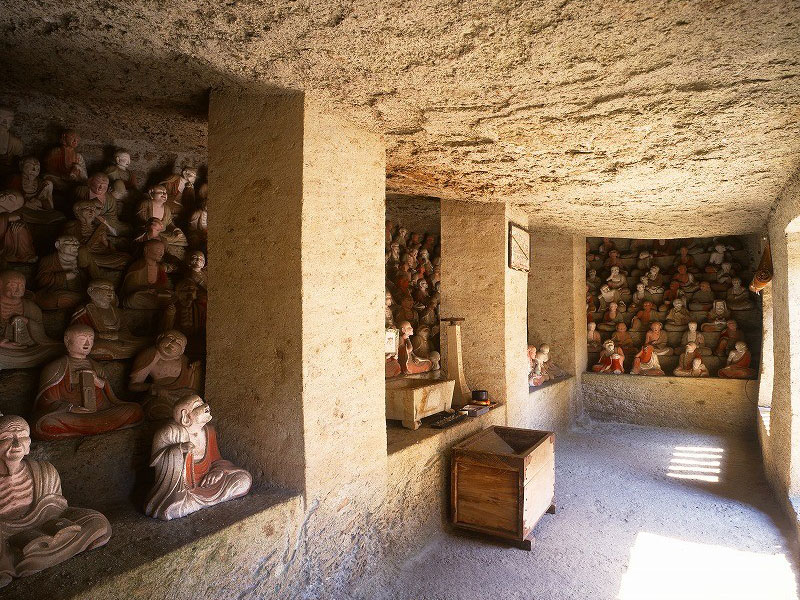
A scenic path connects the mine to the port of Okidomari, 12 kilometers away. Along this road you’ll reach Rakanji Temple, which has 3 caves containing 500 jizo statues, each carved with unique facial features.
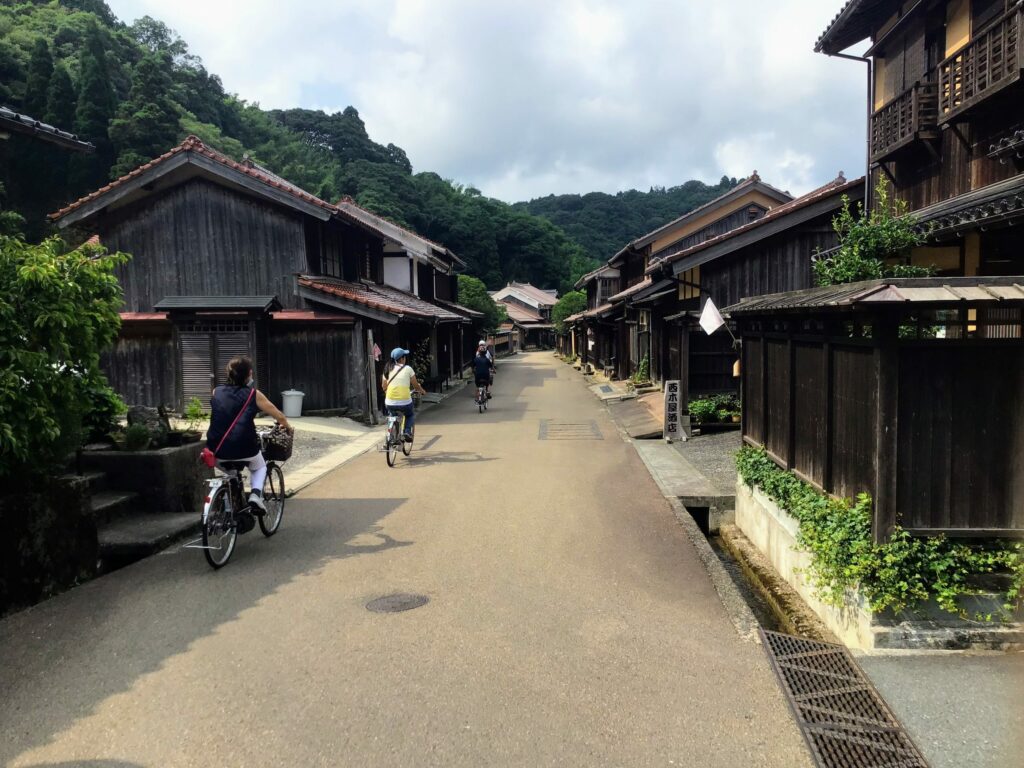
Relax in the surrounding port towns
You can enjoy a relaxing break in Yunotsu‘s famous hot springs, located adjacent to Okinawa. Visit two of Japan’s famous public baths and relax in the rejuvenating waters
Exhibition Highlights
Interactive historical timeline
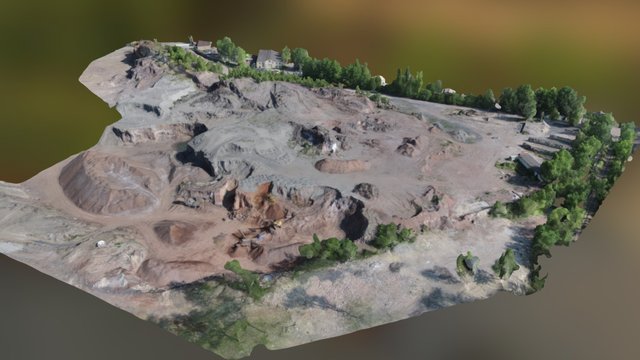
3D model of the mine and surrounding landscape
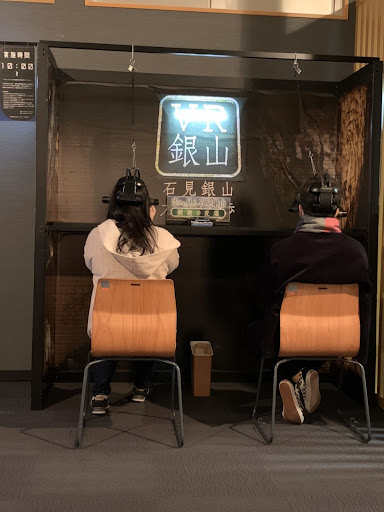
Augmented reality experience showcasing mining technology
Discover how can contribute to protecting Iwami Ginzan
Heritage Value of Iwami Ginzan Silver Mine
Historical Importance
The Iwami Ginzan Silver Mine was one of Japan’s most productive silver mines during the feudal period. Discovered in the 16th century, it played a crucial role in Japan’s economic development by meeting global silver demand and facilitating international trade. The mine significantly influenced the regional development, shaping its social, economic, and cultural landscapes.
Technological Advancements
During Japan’s feudal period, the Iwami Ginzan Silver Mine was at the forefront of mining technology. Miners used sophisticated methods and tools, such as chisels and advanced drainage systems, to manage the extensive underground tunnels. This innovation, along with efficient labor organization and resource management, sustained the mine’s productivity and longevity.
Socio-economic Impact
The prosperity of the Iwami Ginzan Silver Mine greatly influenced the local economy, attracting a diverse workforce and fostering related industries like forestry and agriculture. It helped establish a flourishing merchant class and trade networks, connecting the region domestically and internationally, particularly influencing trade relations with European and East Asian countries.
Cultural Landscape
The cultural landscape around the Iwami Ginzan Silver Mine, including fortresses, transportation routes, and port towns like Yunotsu and Okidomari, played essential roles in the operation and distribution of silver. This landscape encompasses mining settlements, religious sites, and shrines, reflecting the mine’s extensive impact on the local community and offering insights into the socio-economic and cultural dynamics of Japan’s feudal era.
Threats to Iwami Ginzan Silver Mine
Environmental Degradation
The Iwami Ginzan Silver Mine and its surrounding landscape face the risk of environmental degradation due to factors such as climate change, natural disasters, and human activities. Landslides, erosion, and flooding can damage the mine’s physical structure and alter the delicate ecosystem. Proper conservation measures and environmental monitoring are essential to mitigate these risks.
Urbanization and Development Pressures
As the region around the Iwami Ginzan Silver Mine continues to develop, urbanization and modern infrastructure projects may encroach upon the historical site and its cultural landscape. Balancing the need for regional growth with the preservation of the mine’s integrity and authenticity is a critical challenge that requires careful planning and stakeholder collaboration.
Tourism Pressure
While tourism plays a vital role in raising awareness and generating funds for conservation, excessive or poorly managed tourism can strain the Iwami Ginzan Silver Mine’s delicate structures and environment. Overcrowding, vandalism, and inadequate infrastructure can diminish the site’s authenticity and visitor experience. Implementing sustainable tourism practices and visitor management strategies is crucial to ensure the mine’s long-term preservation.
Maintenance and Conservation Challenges
Preserving the Iwami Ginzan Silver Mine’s historical structures, tunnels, and cultural landscape requires ongoing maintenance and conservation efforts. The mine’s age, materials, and unique environmental conditions pose challenges in terms of restoration, stabilization, and protection against deterioration. Adequate resources, expertise, and community involvement are essential to ensure the mine’s long-term survival and integrity.
Relevant Sustainable Development Targets


SDG8.9: Decent Work & Economic Growth
By promoting sustainable tourism practices at the Iwami Ginzan Silver Mine, the digital exhibit can contribute to SDG 8.9, which aims to “devise and implement policies to promote sustainable tourism that creates jobs and promotes local culture and products.” The exhibit can showcase the economic benefits of responsible tourism for the local community, highlighting the potential for job creation and the promotion of traditional industries and crafts.


SDG13.3: Climate Action
The digital exhibit’s emphasis on the climate threats faced by the Iwami Ginzan Silver Mine and the importance of mitigation and adaptation strategies aligns with SDG 13.3, which aims to “improve education, awareness-raising, and human and institutional capacity on climate change mitigation, adaptation, impact reduction, and early warning.” By educating visitors about the impacts of climate change on cultural heritage and promoting sustainable practices, the exhibit can contribute to the development of a more climate-resilient society.


SDG11.4: Sustainable Cities & Communities
The digital exhibit’s focus on the conservation and interpretation of the Iwami Ginzan Silver Mine directly supports SDG 11.4, which seeks to “strengthen efforts to protect and safeguard the world’s cultural and natural heritage.” By raising awareness about the site’s historical, technological, and cultural significance, the exhibit can foster a greater appreciation for the value of heritage conservation and encourage public participation in preservation efforts.
Protecting Iwami Ginzan Silver Mine: What Can We Do?
Support Sustainable Tourism
Choose eco-friendly accommodations and tour operators that prioritize the preservation of the site and support the local economy.
Respect the Environment
Follow the “Leave No Trace” principles, disposing of waste properly and minimizing your impact on the natural surroundings.
Educate Yourself and Others
Learn about the history and significance of Iwami Ginzan Silver Mine and share this knowledge with others to raise awareness about the importance of its preservation.
Support Conservation Efforts
Donate to organizations working to protect and preserve the Iwami Ginzan Silver Mine, or volunteer your time to support local conservation projects.
Advocate for Policy Change
Support policies and legislation that prioritize the protection of cultural heritage sites like Iwami Ginzan Silver Mine, and hold governments and corporations accountable for their actions.
Reference:
www.japan-guide.com/e/e5850.html
en.wikipedia.org/wiki/Iwami_Ginzan_Silver_Mine
whc.unesco.org/en/list/1246
www.japan.travel/en/world-heritage/iwami-ginzan-silver-mine
www.kankou-shimane.com/en/destinations/9287