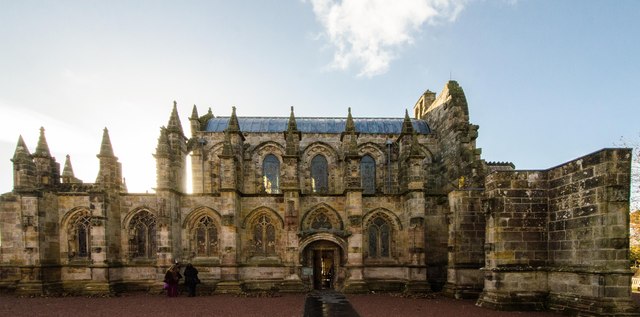
Rosslyn Chapel
“Simply amazing and takes your breath away”
‘It came into his mind to build a house for God’s service, of most curious work, the which that it might be done with greater glory and splendour, he caused artificers to be brought from other regions and foreign kingdoms and caused daily to be abundance of all kinds of workmen present as masons, carpenters, smiths, barrowmen and quarriers….’
Father Hay, author of A Genealogie of the Saintclaires of Rosslyn, describes the start of Sir William St Clair’s plan.
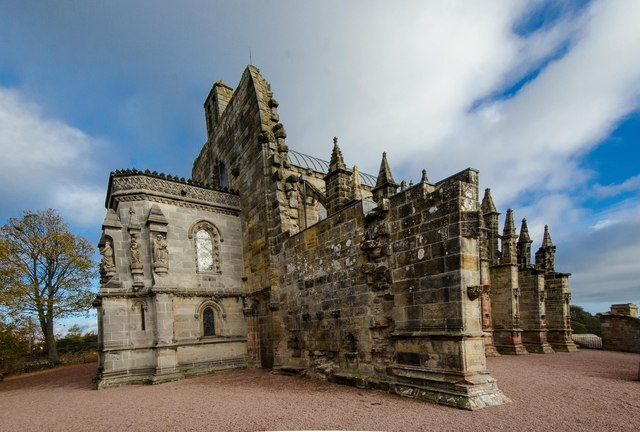
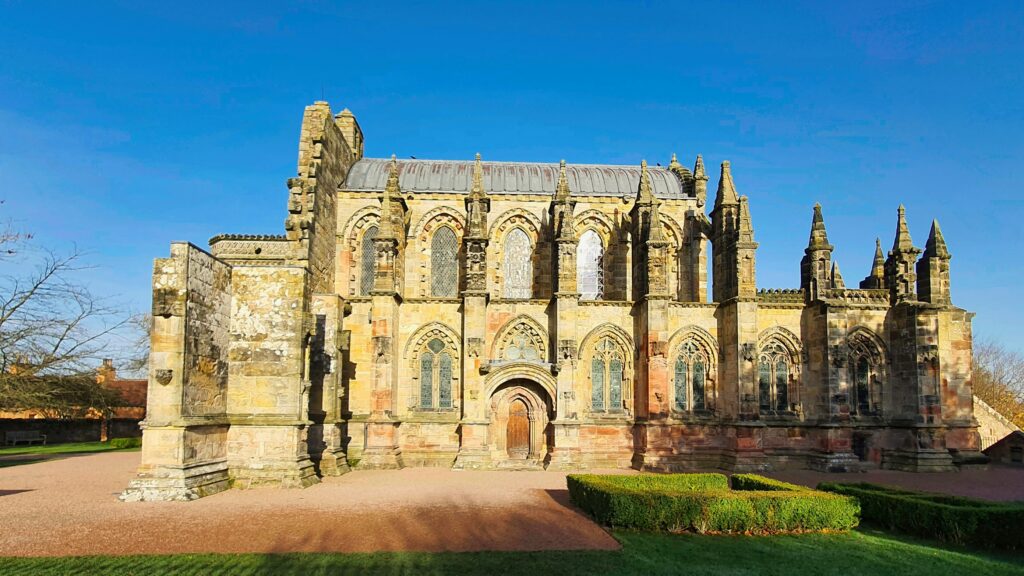
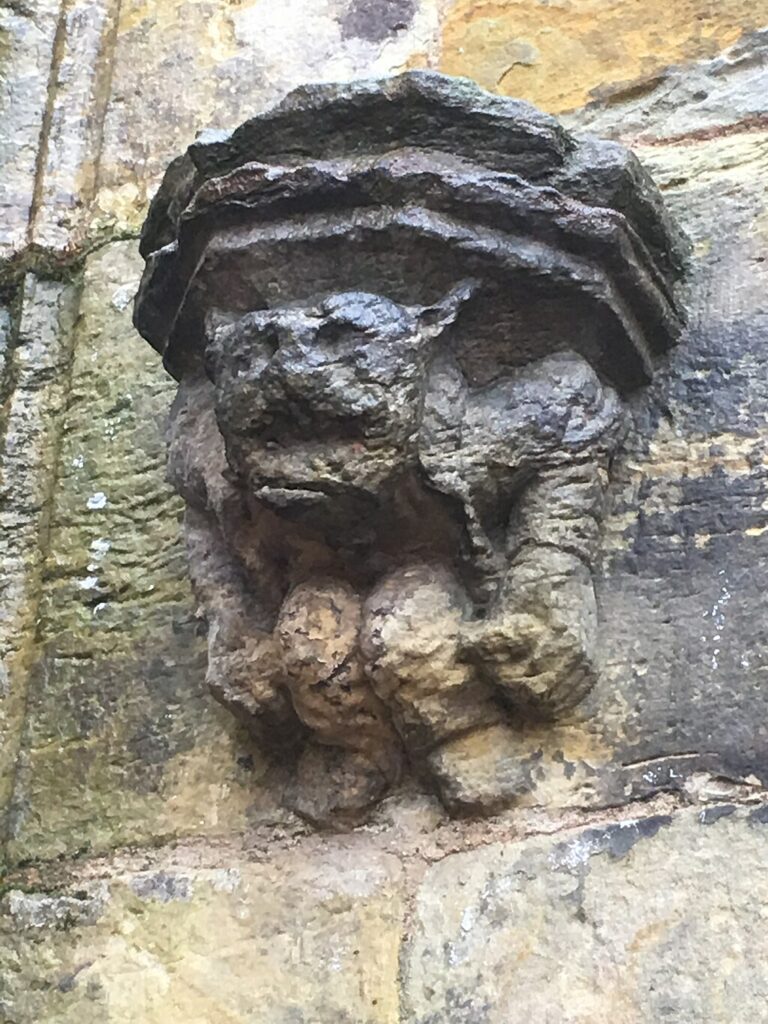
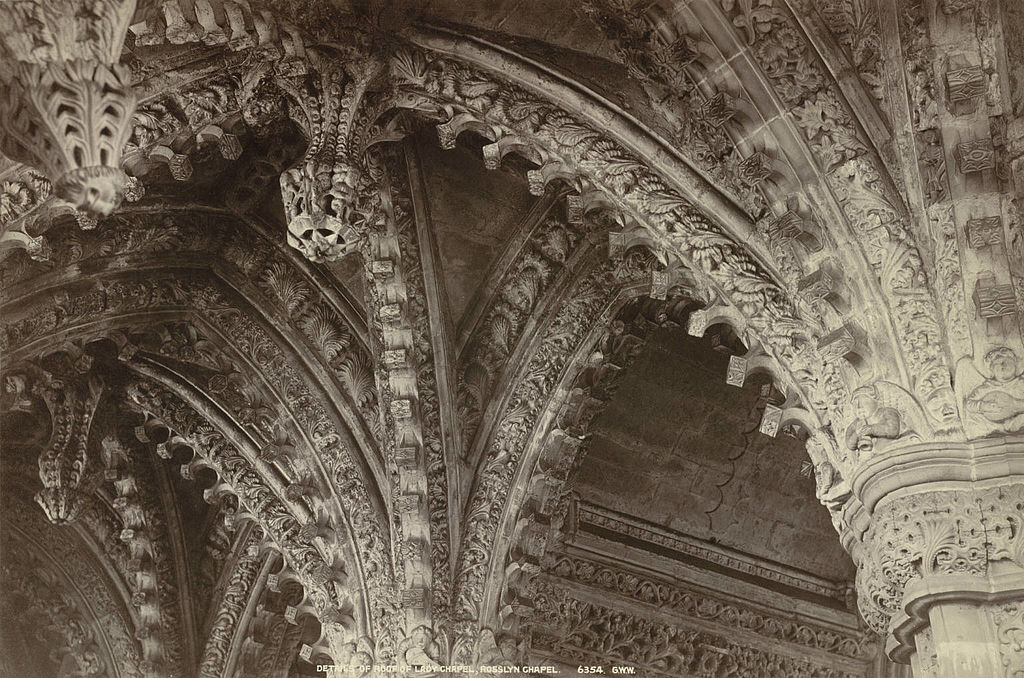
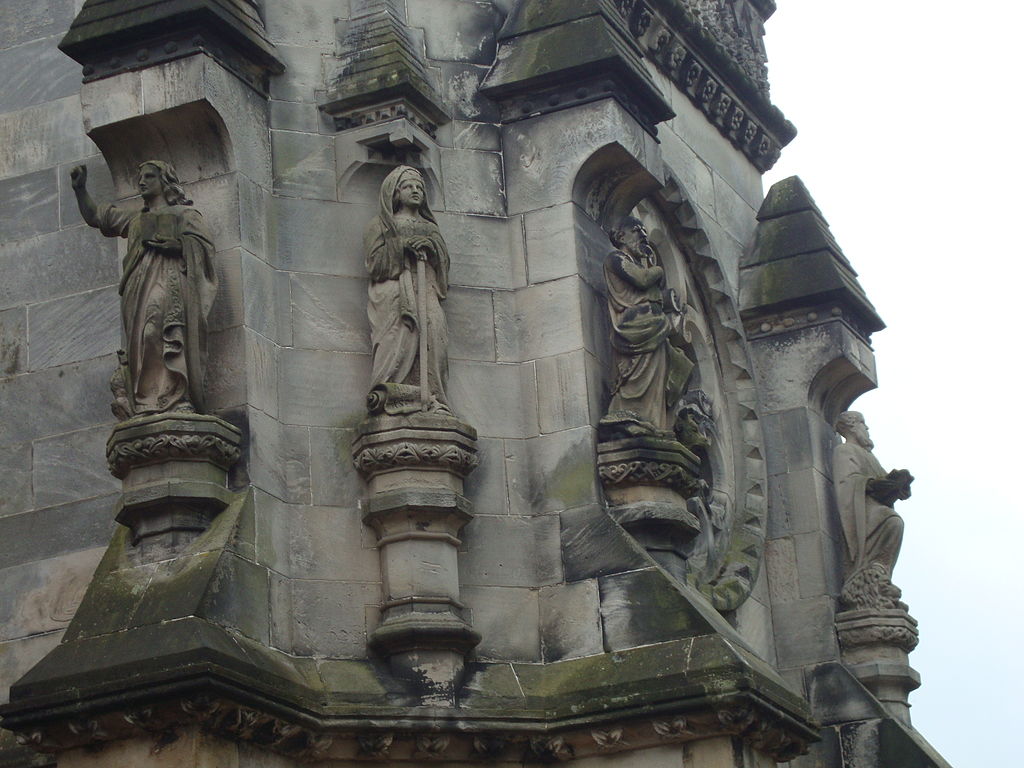
Rosslyn Chapel is a Catholic collegiate church located in the village of Roslin, Midlothian, Scotland. Its architecture is considered among the finest in Scotland. What is particularly interesting is that beyond the architectural and religious significance brought about by its complex, intricate, and diverse carvings, the chapel’s unique historical background and mysterious legends also wield a considerable impact in popular culture. As an exemplar, Rosslyn Chapel demonstrates the potential value that cultural heritage holds within popular culture.
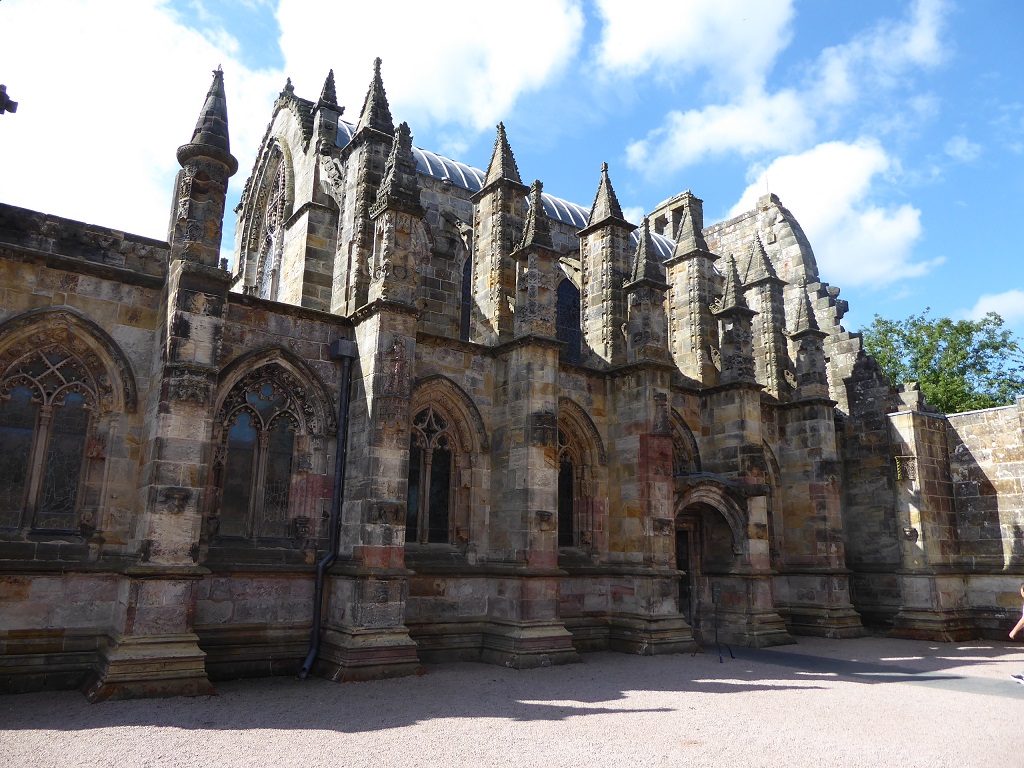
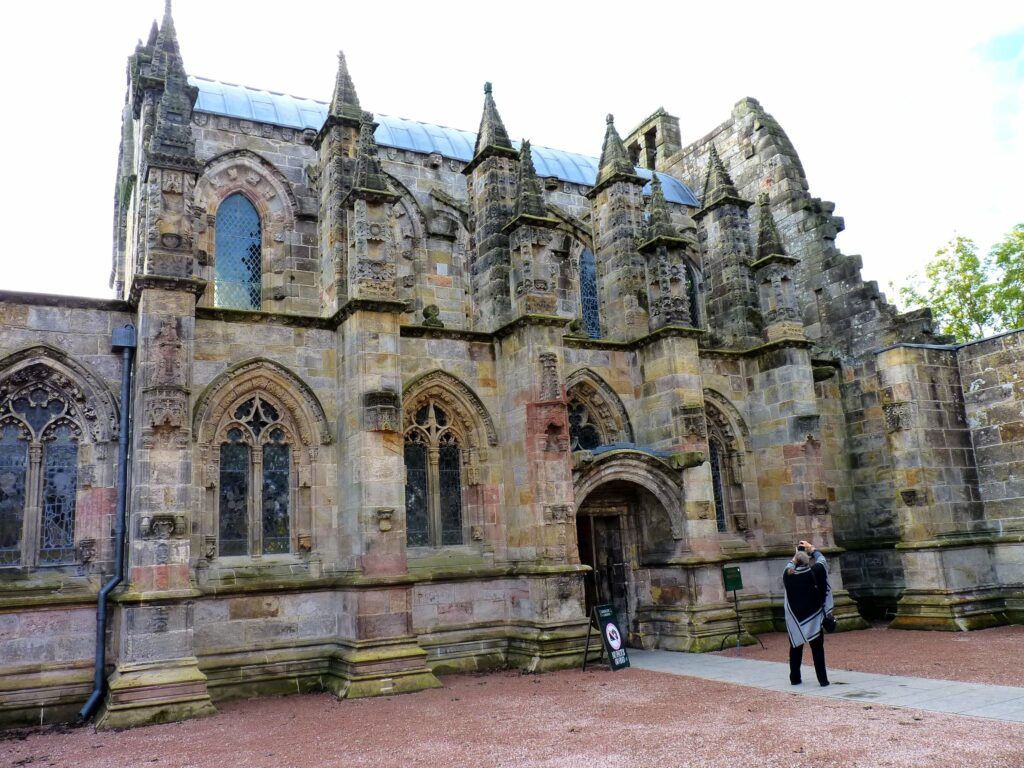
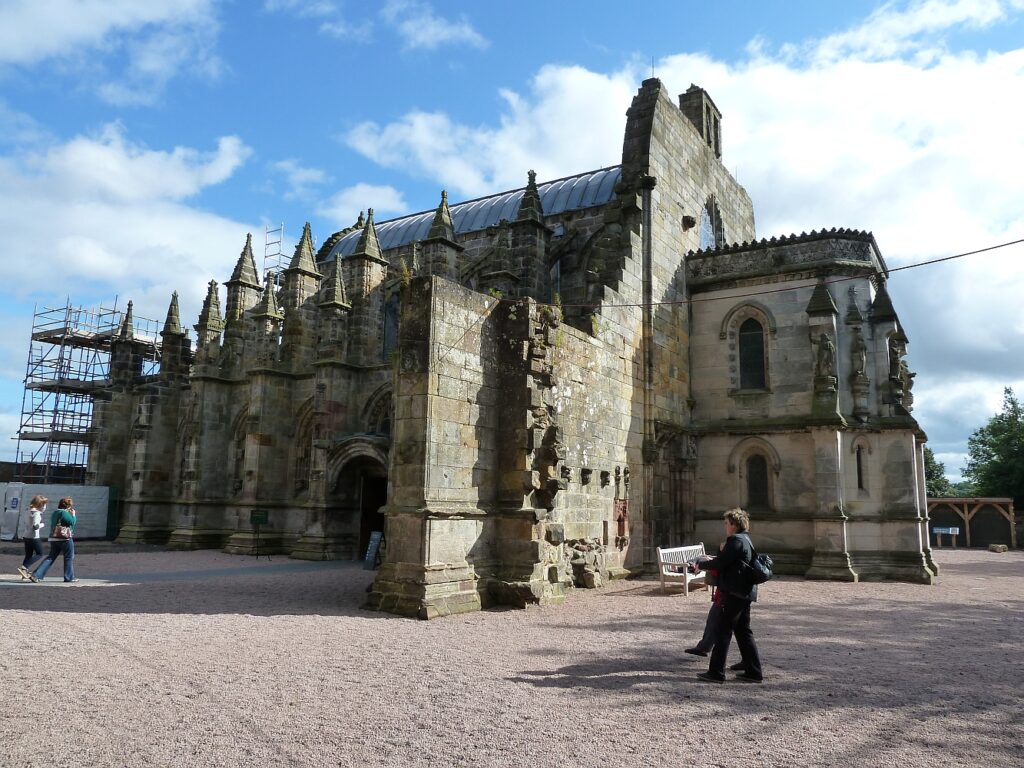
History
1446 – William St Clair, 3rd Prince of Orkney, begins to build Rosslyn Chapel
Dedicated in 1450 as the Collegiate Chapel of St Matthew, William St Clair founded the chapel for his family with a staff of a provost, six prebendaries and two choristers. Collegiate chapels like this were intended to pray for the soul of the founder and to spread intellectual and spiritual knowledge. Rosslyn’s extraordinary architecture and carvings have also inspired generations and meant its fame has endured over the centuries.
1571 – The endowments for Rosslyn Chapel are seized as the effects of the Reformation begin
The endowments for Rosslyn Chapel are seized as the effects of the Reformation begin
1650 – Oliver Cromwell’s troops sack Rosslyn Castle
The Chapel was spared, although it was used for stabling the troop’s horses. In the same year, Sir William Sinclair of Rosslyn died at the Battle of Dunbar. He is believed to be the last knight buried in full armour in the vault below the Chapel, said to be the family custom.
1780 – The artist Alexander Nasmyth and poet Robert Burns visit the Rosslyn area
The wild landscape and overgrown ruin of the Chapel, and their romantic associations, meant Rosslyn became a muse for poets, writers and artists alike in the 18th and 19th Centuries. In 1805 Sir Walter Scott wrote the Lay of the Last Minstrel, a poem about the engaging myth that the building appears as if on fire the night that a Rosslyn baron passes away.
1803 – Dorothy Wordsworth visits Rosslyn Chapel and pronounces the architecture ‘exquisitely beautiful’
William Wordsworth accompanied his sister on this trip and returned on a further two occasions, once sheltering from a storm there. Seeing the derelict stone interior and carvings covered in green foliage while storm crashed outside inspired the poet to write the sonnet ‘Composed at Roslin Chapel during a Storm’.
1842 – Queen Victoria visits the Chapel
She described it as being in an ‘excellent state of preservation’ and wrote in her diary ‘It was built in the 15th Century & the architecture is most beautiful & rich.’
1862 – Rosslyn Chapel is rededicated by the Episcopal Bishop of Edinburgh
Restoration work carried out by the architect David Bryce on behalf of James Alexander, 3rd Earl of Rosslyn, made the Chapel useable again. Sunday services consequently began at the Chapel for the first time in over 200 years.
1950s – Rosslyn conservation work is undertaken
The sacristy roof was repaired and the interior carvings in the Chapel were cleaned and applied with a protective coating. The stained glass windows in the Baptistry were also added. Although in line with the thinking of the time, the protective coating, together with an asphalt covering applied to the roof in 1915, were measures which ultimately caused damage to the walls and carvings.
2003 – The Da Vinci Code by Dan Brown is published
Dan Brown’s novel The Da Vinci Code is published. Seen by some as controversial, the book’s main characters find themselves at Rosslyn Chapel and, as a result, the Chapel itself comes to worldwide attention. Since its publication, an estimated 80 million copies have been sold, making The Da Vinci Code, one of the best selling books of all time. In 2006, a film based on the book was made, with scenes filmed at Rosslyn Chapel.
2007 – Rosslyn Chapel is awarded £4.9 million in funding from the Heritage Lottery Fund and Historic Scotland
This grant, together with money from the Rosslyn Chapel Trust, allowed for major conservation work to the Chapel and the development of extensive new visitor facilities to get underway.
2012 – Rosslyn Chapel gains a royal seal of approval
In May, the Earl and Countess of Rosslyn welcomed Her Royal Highness The Duchess of Rothesay to the Chapel for a service commemorating the completion of the conservation project and the official opening of the new Visitor Centre.
Virtual Tour
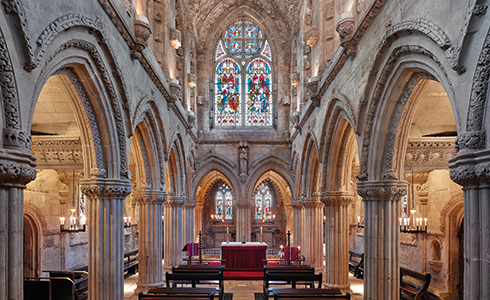
Embark on a VIrTUAL adventure and explore the beauty of the CHAPEL.
Mobile APP
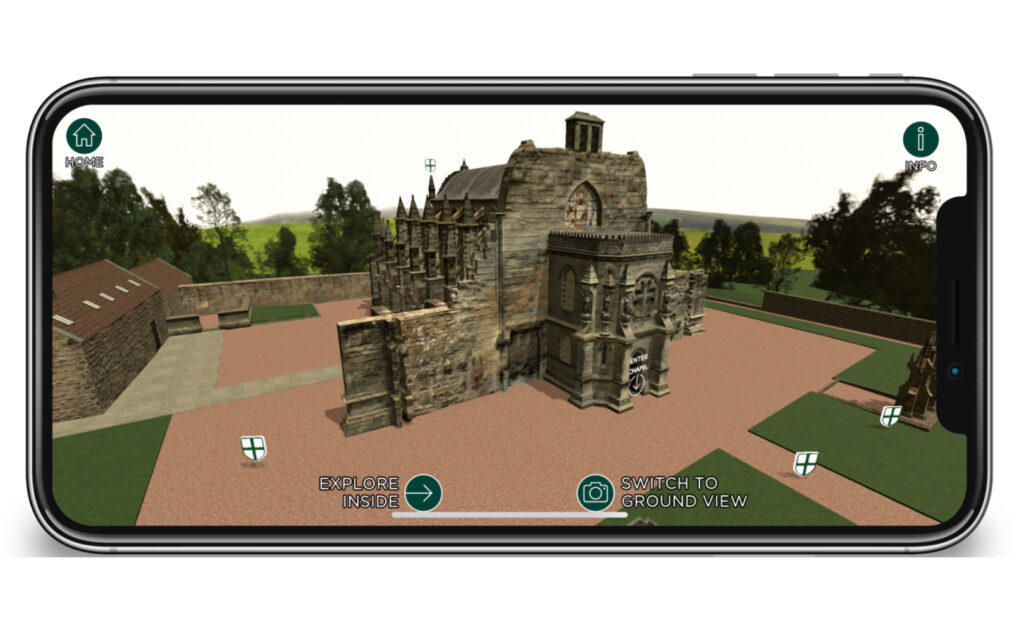
A new version of the interactive app contains an immersive virtual experience, a 360° degree panoramic tour and a newly designed photo gallery, showing some of the most striking features of the chapel. It has been developed in partnership with Historic Environment Scotland using state-of-the-art 3D models and digital visualisation technology.
About The Da Vinci Code
Rosslyn Chapel came to worldwide prominence through The Da Vinci Code, a novel written by Dan Brown, which was published in 2003.

In the story, the main characters, Robert Langdon and Sophie Neveu, investigate a murder in the Louvre and, in doing so, follow a set of clues to unravel a mystery, taking them to London and then to Rosslyn Chapel.

It is estimated that 81 million copies of the book have been published, making it one of the most popular of all time.

In 2006, a film was made, based on the book. The aerial view of the Chapel in the film was based on a one-sixth scale model, specially created, because the Chapel itself was under scaffolding at the time.
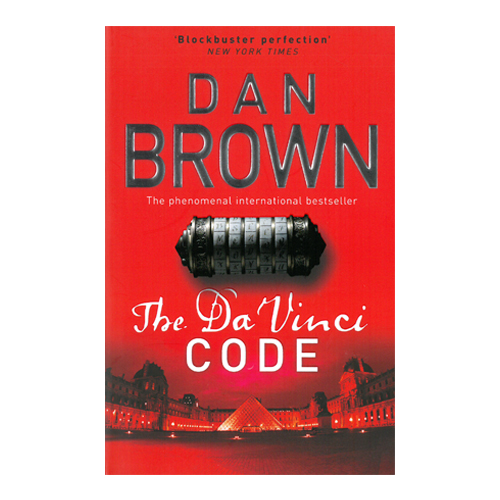
‘When I decided to write The Da Vinci Code, I knew that its finale would have to take place at the most mysterious and magical chapel on earth — Rosslyn.’
Dan Brown
Rosslyn Chapel can take advantage of its position in popular culture by utilizing existing game engines to recreate its appearance in video games and incorporate its underlying architectural aesthetics, historical legends, and religious culture into the game narrative. This innovative approach can attract a broader audience to learn about the chapel’s history, legends, and art, thereby promoting cultural education.
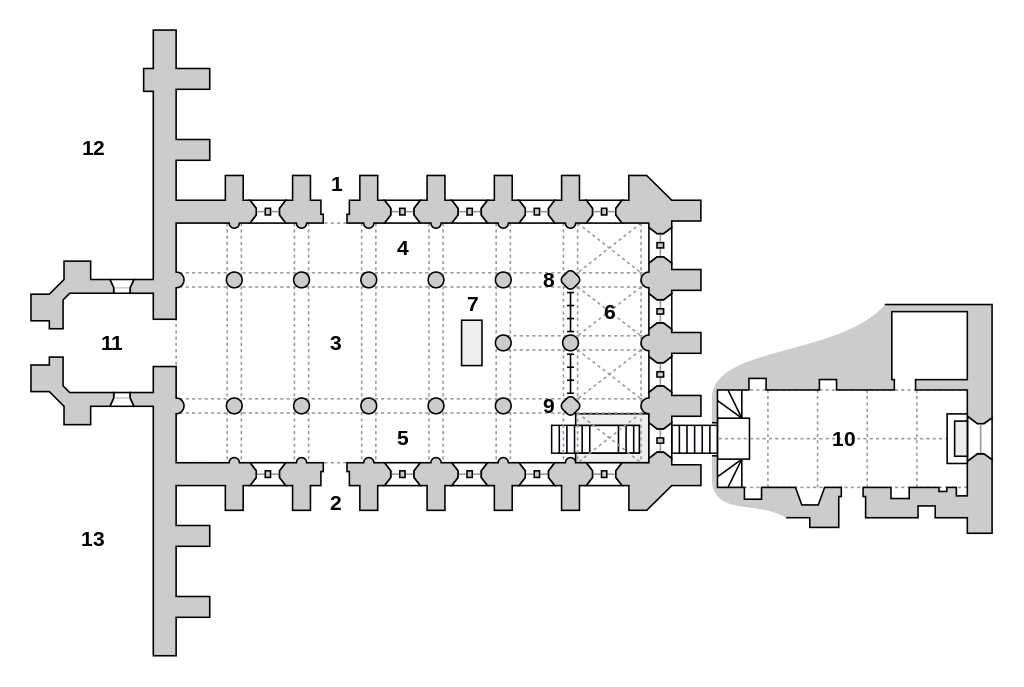
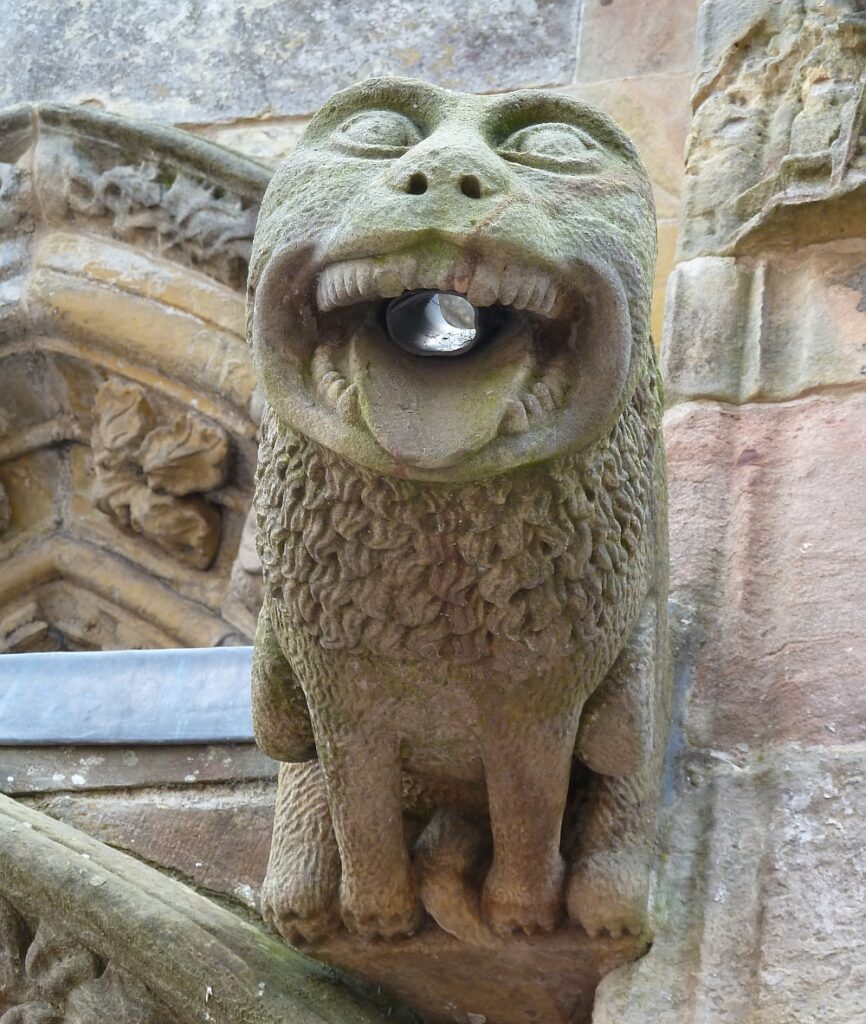
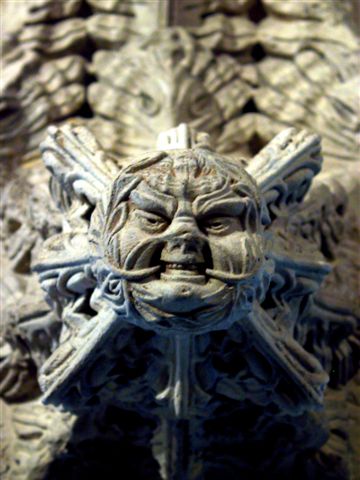
Architecture
Climate Threats and Sustainable Development Goals
Climate Threats
- Extreme Weather Due to Climate Change: This includes storms and acid rain, which could damage the structure of the chapel, especially its external walls and stone carvings.
- Fluctuations in Temperature and Humidity: Significant changes in temperature and humidity can lead to cracks in the stone and other structural issues, particularly in such an historic site.
- Biological Erosion: Some types of biological erosion such as the growth of mosses and fungi can erode and damage the ancient stonework.
Sustainable Development Goals
- Goal 11 – Sustainable Cities and Communities: Preserving and restoring buildings of historical value is key to achieving sustainable urban areas. By maintaining cultural heritage, Rosslyn Chapel can provide a sense of identity and historical continuity for local communities.
- Goal 13 – Climate Action: Implementing adaptation measures to combat climate change, such as strengthening the structural safety of buildings, can reduce the potential damage to Rosslyn Chapel due to climate impacts.
- Goal 15 – Life on Land: Protecting the surrounding environment and biodiversity ensures that the chapel and its natural landscapes are not adversely affected by inappropriate development.