Exhibitions
Background
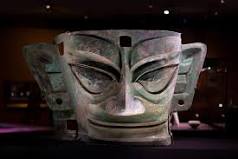
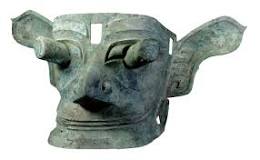
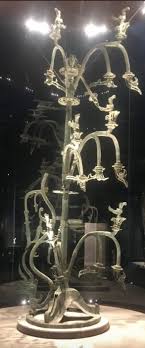
Sanxingdui is an archaeological site located in the Sichuan province of China. It attracted lots of international attentions because of the discovery of lots of artifacts in the Bronze Age. The most famous artifacts are the large bronze masks, some are over one meter in height. These masks depict human faces with some interesting features such as bulging eyes and prominent noses. Another famous type of artifact is bronze sculpture, such as figurines of birds, snakes, and a Chinese traditional creatures called Long. The artifacts are found to be created by the people of the Shu kingdom, which existed during the Shang and Zhou dynasties.
The site was initially discovered in 1929 but gained significant attention in 1986 when workers uncovered two large pits containing thousands of precious artifacts. The discovery at Sanxingdui challenged previous assumptions about the extent of ancient Chinese civilization. Before the discovery, the general thought about ancient Chinese people was based on archaeological findings from the Central Plains region, particularly around the Yellow River Valley. However, the artifacts found at Sanxingdui revealed a culture that was quite different from the civilizations of the Central Plains. These artifacts shows high level of artistic skill and cultural complexity that was previously unseen in the record of the Central Plains. Moreover, the discovery of the Sanxingdui site expanded the geographical scope of ancient Chinese civilization. This challenged the conventional view that early Chinese civilization was based around the Yellow River valley.
Video game
More information
Plan of exhibition
Generally speaking, the proposed exhibition would include a diverse range of artifacts, interactive displays, and educational materials, so that visitors will develop a comprehensive understanding about the history and culture of Sanxingdui in an entertaining way. Specifically, there will be several screens displaying texts and photos in the entrance to introduce the history and significance of the Sanxingdui, including its discovery, excavation, and major findings. After visitors have a basic background knowledge about Sanxingdui, more detailed information will be provided in the next section, which is the main part of the exhibition. For example, there would be a collection of artifacts, such as bronze masks, statues, pottery, jade objects, and other artifacts that could show the difference between traditional Chinese culture and Sanxingdui culture. Under each artifact, there would be detailed information in form of text, includes the potential usage, value and religious meaning. Secondly, to engage visitors and enhance their learning experience, there would be some interactive displays such as touchable screen, virtual reality equipment, and audiovisual presentations that explain the history and culture of Sanxingdui. One advantage of these devices is that it is very flexible to change the content, which means we could provide the most recent archaeological discoveries and research findings related to Sanxingdui. This could include information about new excavation sites, new artifacts and latest archaeological methods used to study Sanxingdui. Besides, in order to help visitors understand the broader cultural context of Sanxingdui, related topics such as ancient Chinese civilization, the Shu Kingdom, and the general technology level during the Bronze Age will be included. Last but not least, the exhibition would offer educational programs such as lectures, guided tours, and hands-on activities for visitors of all ages. These programs would provide opportunities for deeper exploration and learning about Sanxingdui.