Echoes of the Past: Exploring Stonehenge

Introduction
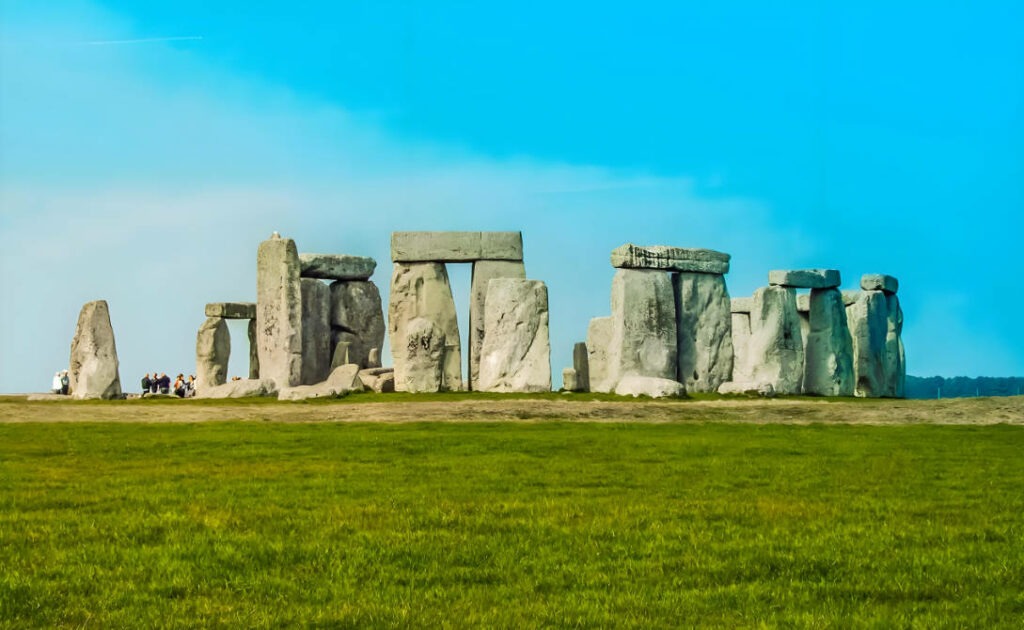
Stonehenge, a prehistoric monument located in Wiltshire, England, stands as one of the most famous landmarks in the world. Estimated to have been constructed between 3000 BC and 2000 BC, Stonehenge consists of a ring of massive standing stones set within earthworks. Each stone weighs approximately 25 tons and stands up to 13 feet high, with some stones sourced from as far as 200 miles away in Wales.
The purpose of Stonehenge remains one of the greatest mysteries of archaeology. Scholars have proposed various theories ranging from an astronomical observatory to a sacred burial site. Its alignment with the solstices suggests that it played a significant role in marking the passing of the seasons, which was crucial for agricultural societies.
Stonehenge’s design and scale indicate that its construction would have required immense coordination and labor, highlighting the ingenuity and determination of its builders. The site is surrounded by hundreds of burial mounds and is part of a larger prehistoric landscape that includes ceremonial pathways and other monuments.
Designated as a UNESCO World Heritage site, Stonehenge continues to captivate visitors with its grandeur and mystery. It serves as a poignant symbol of humanity’s early quest for understanding of the cosmos, marking it as a timeless monument to human achievement and curiosity.
The history of The Stonehenge
Mysteries of Stonehenge: Ancient Construction Techniques and Stone Transportation
Stonehenge, one of the most iconic prehistoric monuments in the world, continues to puzzle historians and archaeologists with its complex construction and the immense effort required to transport its massive stones. Located in Wiltshire, England, this monumental structure consists of large standing stones, some of which weigh up to 25 tons and stand as tall as 13 feet.
The construction of Stonehenge is believed to have taken place in several phases, starting from around 3000 BC to 2000 BC. The most intriguing aspect of its construction is how these enormous stones were transported and erected using the technology available during the Neolithic period. The larger stones, known as sarsens, are local to the Marlborough Downs, about 20 miles north of the site. However, the smaller bluestones were transported from the Preseli Hills in Wales, nearly 140 miles away.
Theories on how these stones were moved include the use of wooden roller systems, sledges, and rafts along waterways. The logistics of such an operation imply a highly organized society with strong leadership and advanced knowledge of engineering and geography.
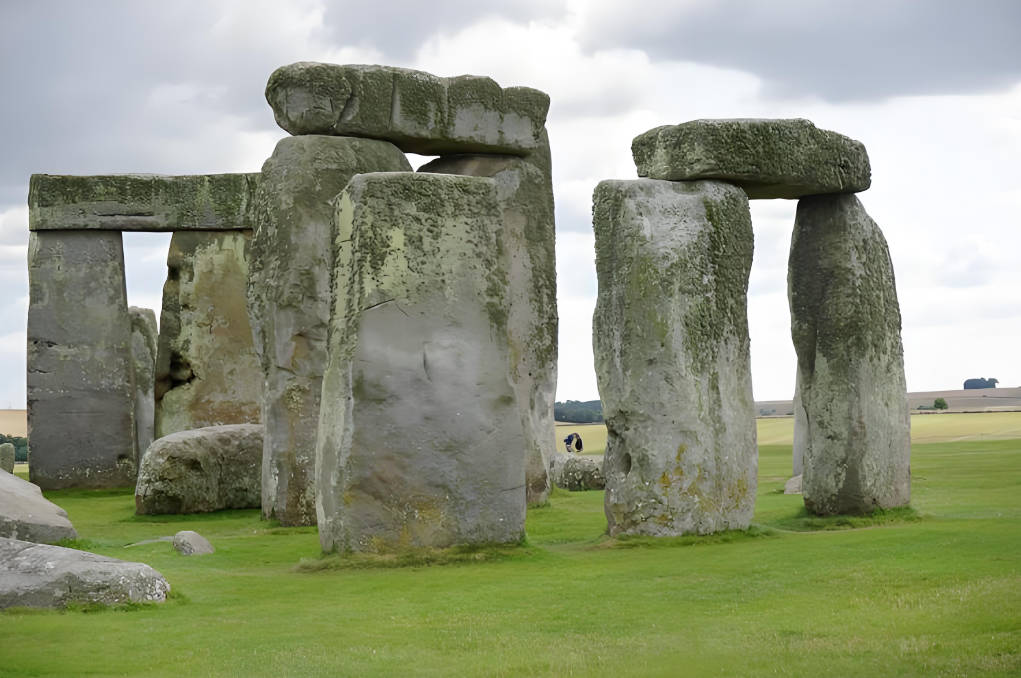
Once at the site, the construction techniques used to erect the stones are equally fascinating. The stones were set into dug pits, with the use of interlocking joints visible in the horizontal lintel stones that sit atop the vertical sarsens. This technique suggests a sophisticated understanding of weight distribution and structural stability.
The purpose behind building Stonehenge may range from astronomical alignment and religious worship to social or political significance, yet the ingenuity involved in its construction demonstrates the remarkable capabilities of its builders. Stonehenge stands as a testament to the ingenuity of ancient societies, showcasing their ability to mobilize resources and people to achieve monumental tasks.
Evolving Stonehenge: Historical Changes and Restoration Efforts
Stonehenge has undergone significant transformations since its initial construction, reflecting both the ravages of time and the efforts to preserve this iconic monument. Originally built between approximately 3000 BC and 2000 BC, Stonehenge’s structure has faced numerous challenges over the centuries, including weathering, vandalism, and the shifting of the earth.
Throughout history, Stonehenge’s physical state and the land surrounding it have seen various changes. During the Middle Ages, some of the stones were toppled or removed, possibly for building materials or due to religious superstitions. The monument’s isolation on the Salisbury Plain also left it vulnerable to natural erosion and human interference.
The modern era of preservation began in the 19th century when antiquarians and later archaeologists recognized the cultural and historical importance of Stonehenge. The first major restoration project took place in the early 20th century. In 1901, a leaning stone was straightened and set in concrete to prevent its collapse, setting a precedent for future conservation methods.
In the 1950s and 1960s, further restoration efforts were undertaken, including re-erecting fallen stones and realigning some to their presumed original positions. These actions were based on archaeological studies that aimed to stabilize the structure and restore its historical appearance as accurately as possible.
Today, Stonehenge is protected as a UNESCO World Heritage Site, and ongoing conservation efforts are carefully managed. These include monitoring the structural integrity of the stones, controlling the effects of tourism, and managing the natural vegetation around the site. The surrounding landscape is also part of a broader conservation area to preserve the archaeological context and integrity of Stonehenge.
These efforts ensure that Stonehenge not only survives as a prehistoric monument but also continues to be a source of cultural pride and historical study. The restoration and preservation of Stonehenge allow us to connect with a distant past, offering insights into the lives and capabilities of our ancestors.
Celestial Connections: The Astronomical Significance of Stonehenge
Stonehenge has long fascinated both scholars and the public, not only for its imposing structure but also for its potential astronomical significance. Built during the late Neolithic period, this ancient monument is thought to have served as a prehistoric observatory, aligning with key celestial events such as the solstices and equinoxes.
The most direct evidence of Stonehenge’s astronomical alignment is its orientation towards the summer solstice sunrise and winter solstice sunset. On the longest day of the year, the sun rises behind the Heel Stone, which stands just outside the main circle, and its first rays shine directly into the heart of Stonehenge. This spectacular sight suggests that the builders of Stonehenge had a sophisticated understanding of the solar cycle and its importance to their culture.
Further studies using modern astronomical techniques have suggested that other alignments—such as those with the moon’s extreme positions during its 18.6-year cycle—may also have been deliberately incorporated into Stonehenge’s design. These lunar alignments could have been used to mark the changing seasons or to track lunar months, aligning with theories that Stonehenge functioned as a complex calendrical system.
In addition to solar and lunar alignments, some researchers propose that Stonehenge could have been used to observe other celestial phenomena, such as eclipses, which were both awe-inspiring and potentially of great ritual significance to Neolithic peoples. The arrangement of the stones provides multiple sightlines that could have been used to predict and record various celestial events.
The idea of Stonehenge as a center for astronomical observation and ritual is compelling because it highlights the monument’s role not just as a feat of engineering or a place of burial, but as a hub of early astronomical science and spiritual practice. This dual role reinforces the notion that prehistoric societies were deeply connected to their natural world, keenly observing the skies to guide their agricultural practices and spiritual lives.
Understanding Stonehenge’s astronomical significance provides a window into the minds of its creators, revealing their priorities, beliefs, and remarkable intellectual achievements.
A more in-depth understanding of the Stonehenge
Solving The Mystery Of Stonehenge With Dan Snow
Sustainable Development Goals
SDG 11: Sustainable Cities and Communities
Target 11.4: Strengthen efforts to protect and safeguard the world’s cultural and natural heritage. Stonehenge is a UNESCO World Heritage site, and efforts to preserve and manage it responsibly contribute to achieving this target. The conservation practices and management strategies used to maintain Stonehenge help in preserving it not only as a tourist site but as an integral part of global heritage.

SDG 4: Quality Education
Target 4.7: Ensure that all learners acquire knowledge and skills needed to promote sustainable development. Stonehenge serves as an educational resource that helps people learn about historical cultures, archaeology, and the importance of preserving historical sites. Educational programs and visitor centers at Stonehenge provide insights into prehistoric times, the significance of celestial observations, and the engineering skills of ancient peoples, fostering a broader understanding and appreciation of human history and cultural heritage.

SDG 8: Decent Work and Economic Growth
Target 8.9: By 2030, devise and implement policies to promote sustainable tourism that creates jobs and promotes local culture and products. Stonehenge attracts millions of visitors each year, supporting local jobs and the economy. Sustainable tourism at Stonehenge includes managing visitor numbers to prevent damage, promoting off-season tourism, and engaging with the local community to ensure that tourism has a positive impact on the area.