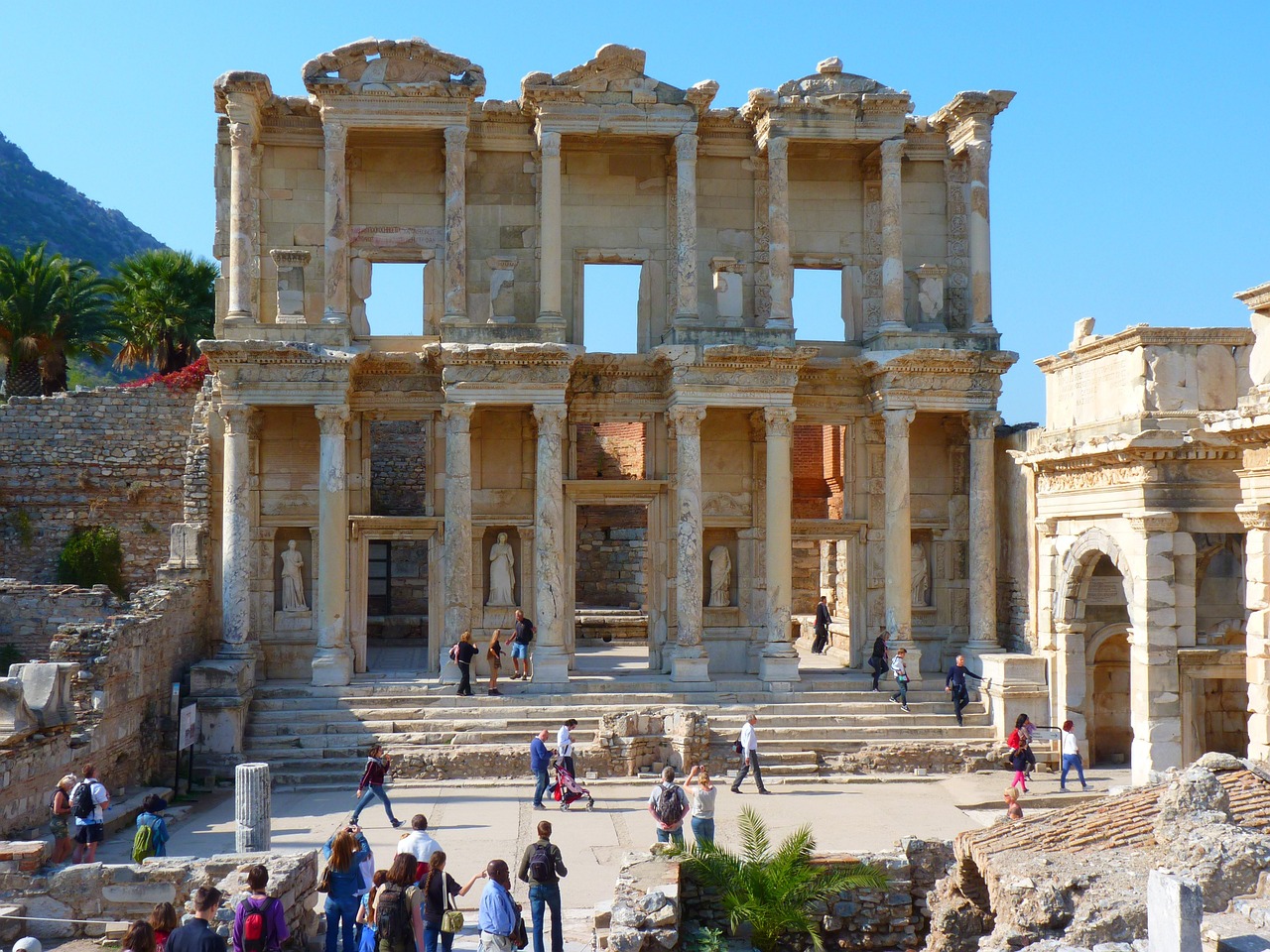
Temple of Artemis
“The temple was so rich it put Croesus’s wealth to shame and it was so beautiful it made the gods themselves envious.”
Introduction
The Temple of Artemis, also known as the Artemision or the Temple of Diana, was a magnificent ancient Greek temple dedicated to the goddess Artemis. Located near the city of Ephesus in present-day Turkey, it was one of the Seven Wonders of the Ancient World, renowned for its grandeur and architectural splendor. Constructed around 550 BCE, it stood as a testament to the religious devotion and architectural prowess of the ancient Greeks.
The temple’s significance extended beyond its religious function, as it served as a major pilgrimage site and cultural center in the ancient world. Devotees traveled from far and wide to pay homage to Artemis, the goddess of the hunt, wilderness, and fertility, seeking her protection and blessings.

Despite its architectural grandeur and religious significance, the Temple of Artemis faced destruction and reconstruction several times throughout its history. The most famous destruction occurred in 356 BCE when the temple was set ablaze by the arsonist Herostratus. However, it was later rebuilt on a grander scale, funded by contributions from various Greek city-states and rulers.
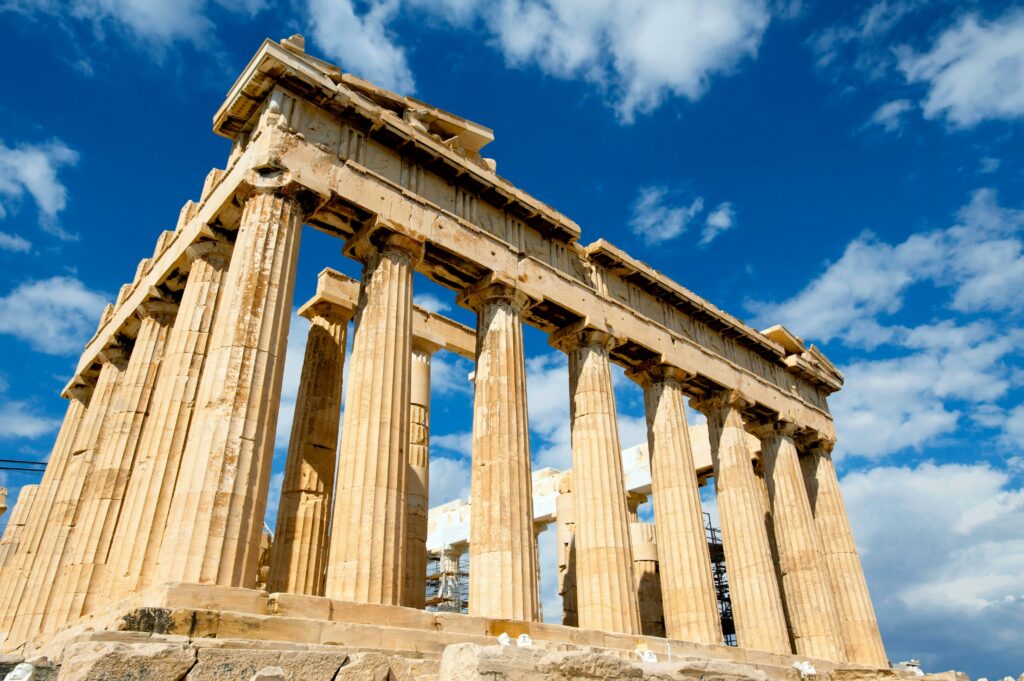
Architecturally, the Temple of Artemis was a marvel of its time, boasting colossal dimensions and intricate ornamentation. Its vast dimensions, including approximately 377 feet in length and 180 feet in width, made it one of the largest temples of antiquity. The temple was supported by a forest of marble columns, each adorned with elaborate carvings and sculptures, showcasing the artistic skill and craftsmanship of ancient Greek sculptors.
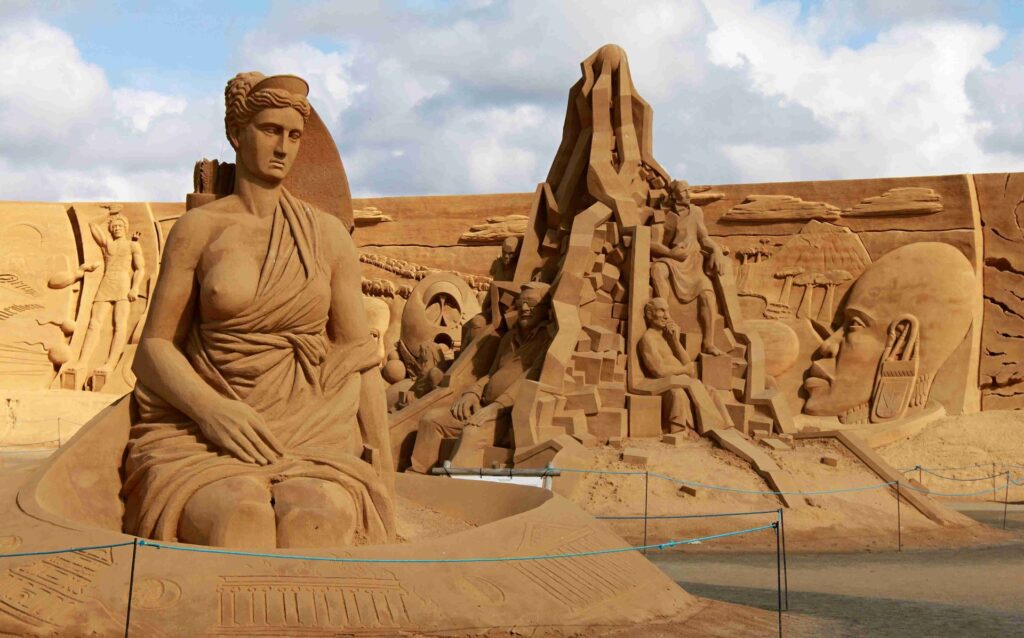
Today, only a few scattered ruins and columns remain at the site of the Temple of Artemis, serving as a poignant reminder of its former glory and the enduring legacy of ancient Greek civilization. Despite its physical absence, the temple continues to captivate the imagination of historians, archaeologists, and visitors alike, standing as a testament to the rich cultural heritage of the ancient world.

Historical context
The Temple of Artemis, also known as the Artemision or the Temple of Diana, was an ancient Greek marvel dedicated to the goddess Artemis near Ephesus, Turkey. Built around 550 BCE, it stood as one of the Seven Wonders of the Ancient World. Designed by Chersiphron and Metagenes, its grandeur was evident in its vast dimensions: approximately 377 feet long, 180 feet wide, with columns over 60 feet tall. Artemis, revered as the goddess of the hunt and fertility, was worshipped at this temple, attracting pilgrims from afar. The interior housed a magnificent statue crafted by Phidias. Despite reconstructions after a fire in 356 BCE, the temple eventually succumbed to decline and destruction by invaders and natural calamities. Today, only scattered ruins remain, a testament to the temple’s former glory and its significance in ancient Greek religion and culture.
Here’s a timeline showcasing key events in the history of the Temple of Artemis:
- 550 BCE: Construction Begins: The construction of the Temple of Artemis, one of the Seven Wonders of the Ancient World, commences near the city of Ephesus in present-day Turkey.
- 540 BCE: Completion of the Temple: The temple is completed, boasting impressive dimensions and adorned with intricate sculptures and decorations.
- 356 BCE: Destruction by Fire: The temple is ravaged by a devastating fire, believed to be the result of arson by a man named Herostratus.
- 323 BCE: Alexander the Great’s Contribution: Alexander the Great offers to finance the reconstruction of the temple, but construction is delayed due to his death.
- 323-186 BCE: Reconstruction Efforts: Various rulers and city-states contribute to the reconstruction of the temple over several decades, with alterations and enhancements made to its design.
- 268 BCE: Final Reconstruction: The temple is rebuilt on a grand scale under the patronage of King Antiochus I of the Seleucid Empire, featuring impressive columns and embellishments.
- 262 CE: Destruction by Gothic Invasion: The temple suffers extensive damage during a Gothic invasion led by the king of the Heruli tribe, resulting in its ultimate decline.
- 401 CE: Official Closure: The Christian Roman Emperor Theodosius II orders the official closure of the temple, leading to its abandonment and eventual decay.
- Present Day: Archaeological Excavations: Ongoing archaeological excavations uncover remnants of the temple, offering insights into its architectural splendor and historical significance.
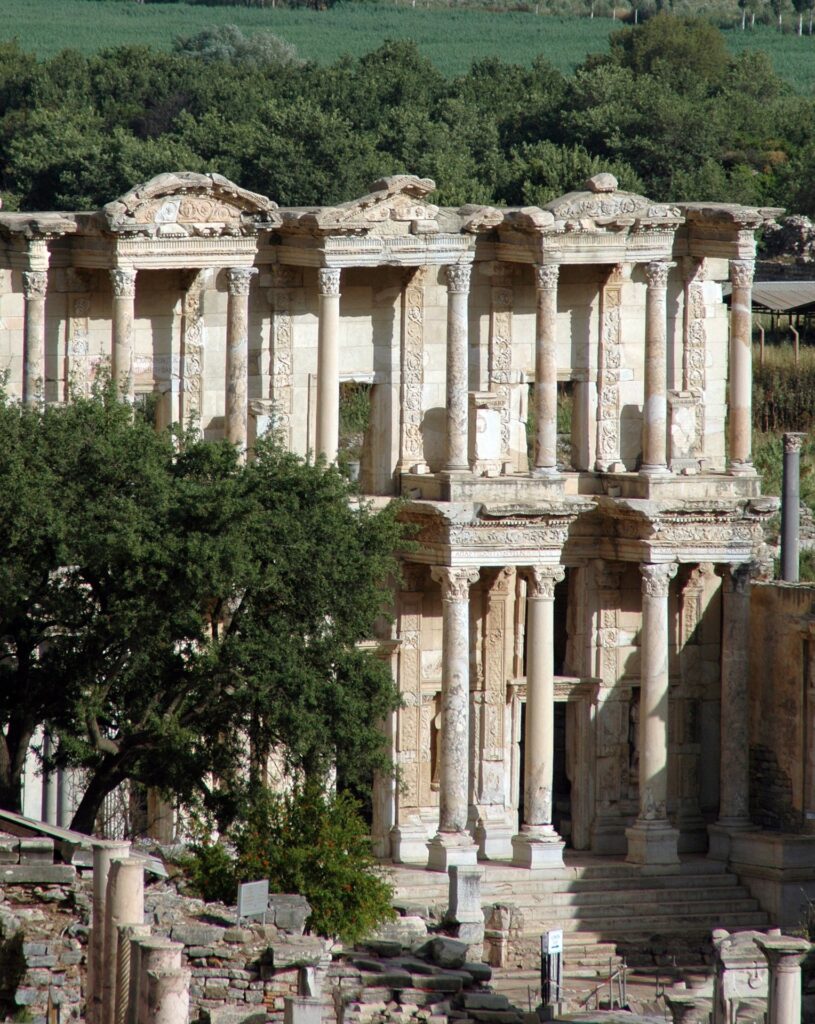
A more in-depth understanding of the history of the temple
Mythology and Worship: Explore the mythology surrounding Artemis, the goddess to whom the temple was dedicated.
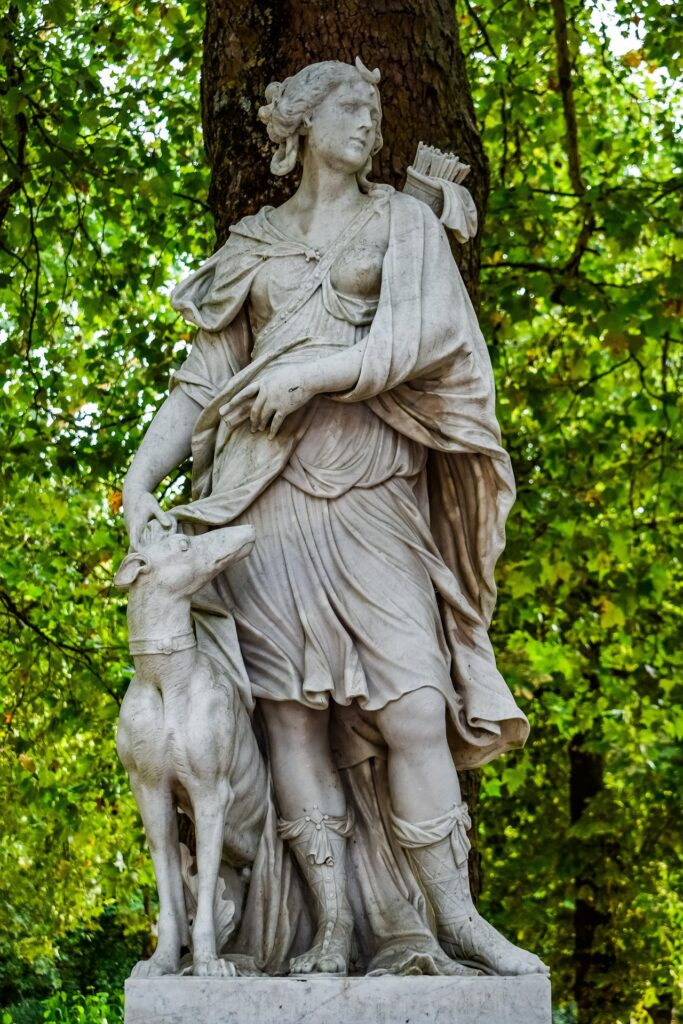
As the goddess of childbirth, Artemis was revered by women seeking protection during pregnancy and labor. Her sanctuary at the Temple of Artemis served as a sacred space where expectant mothers could offer prayers and sacrifices in hopes of a safe delivery.
The worship of Artemis extended beyond her role as a guardian of women to encompass broader aspects of life, including fertility, agriculture, and the cycle of life and death. Rituals honoring Artemis often involved offerings of flowers, fruits, and animals, symbolizing the abundance and vitality of the natural world.
Within the precincts of the Temple of Artemis, priests and priestesses presided over elaborate ceremonies and festivals dedicated to the goddess’s honor. These rituals ranged from solemn processions and sacrifices to joyous celebrations, where worshippers gathered to pay homage to Artemis and seek her blessings.
Through exploration of Artemis’s mythology and worship, we gain insight into the spiritual beliefs and practices that shaped the lives of ancient Greeks and continue to resonate with us today. The Temple of Artemis stands as a testament to the enduring legacy of this revered goddess and the timeless allure of her divine presence.
To explore the mythology and worship associated with the Temple of Artemis is to embark on a fascinating journey into the heart of ancient Greek religion and culture. At the core of this exploration lies Artemis herself, a multifaceted deity whose myths and rituals shaped the religious landscape of the ancient world.
Artemis, known as the goddess of the hunt, wilderness, and childbirth, captivated the imagination of the ancient Greeks with her fierce independence and protective nature. Mythology portrays her as a formidable figure, often depicted wielding a bow and arrow and accompanied by a retinue of nymphs and woodland creatures.
One of the most enduring myths surrounding Artemis is her birth on the island of Delos, where she emerged from the womb of her mother, Leto, with a silver bow and arrows crafted by Hephaestus. From her earliest days, Artemis displayed a fierce devotion to her mother and a deep connection to the natural world, roaming the forests and mountains with her band of loyal followers.

Temple of Artemis Gallery

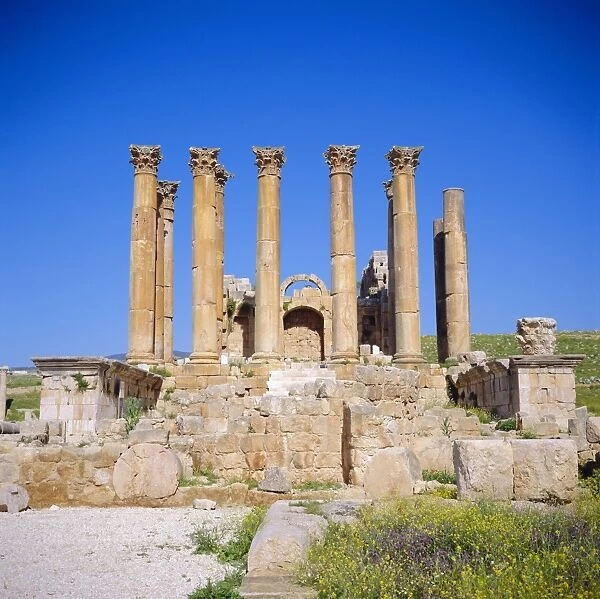


Climate threats facing historical sites like the Temple of Artemis include:
To address these climate threats and promote sustainable preservation practices, awareness-raising initiatives are crucial. These efforts involve educating stakeholders, including policymakers, local communities, tourists, and conservation organizations, about the potential risks posed by climate change to cultural heritage sites like the Temple of Artemis. Additionally, highlighting the importance of adopting sustainable management strategies, such as implementing climate-resilient conservation methods, reducing carbon emissions, and integrating climate change considerations into heritage management plans, can help mitigate the impacts of climate change on archaeological sites and ensure their long-term preservation for future generations.
- Extreme Weather Events: Increased frequency and intensity of storms, hurricanes, and floods due to climate change can lead to physical damage to archaeological structures and erosion of surrounding landscapes.
- Rising Temperatures: Higher temperatures can accelerate the deterioration of ancient building materials, such as marble and stone, through processes like weathering and thermal expansion, compromising the structural integrity of the temple.
- Sea Level Rise: Coastal archaeological sites, including those near the Temple of Artemis, are vulnerable to sea level rise, which can lead to inundation, erosion of coastal areas, and saltwater intrusion, all of which pose significant risks to the preservation of cultural heritage.
- Changing Precipitation Patterns: Shifts in rainfall patterns and prolonged droughts can impact the stability of archaeological sites by causing soil erosion, destabilizing foundations, and promoting the growth of invasive vegetation.
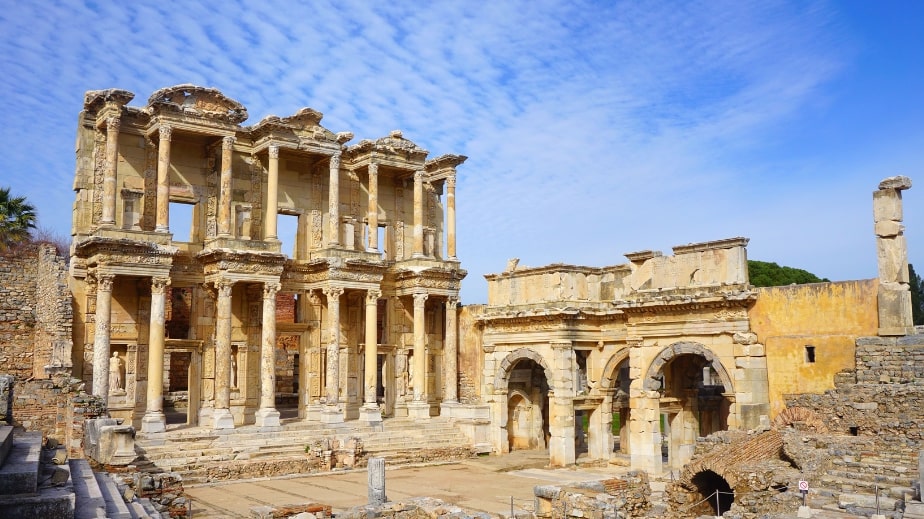
Ongoing conservation efforts aimed at preserving the remaining ruins of the Temple of Artemis and protecting it from further degradation involve a combination of archaeological research, site management strategies, and restoration projects.
- Archaeological Research: Continuous archaeological excavations and surveys are conducted to uncover new insights into the layout, construction techniques, and historical context of the temple complex. These research efforts help archaeologists to better understand the site’s significance and inform conservation strategies.
- Site Management: Effective site management practices are essential for safeguarding the Temple of Artemis and managing visitor access. This includes implementing measures to prevent vandalism, controlling visitor traffic, and monitoring environmental factors that may impact the stability of the ruins.
- Structural Conservation: Preservation efforts focus on stabilizing and protecting the existing ruins of the temple, including the remaining columns, foundations, and architectural elements. This may involve structural reinforcement, consolidation of fragile remains, and protection against natural erosion and weathering.
- Environmental Monitoring: Regular monitoring of environmental conditions, such as humidity, temperature, and rainfall, helps identify potential threats to the site’s integrity. By tracking these factors, conservationists can implement preventative measures to mitigate risks and preserve the ruins for future generations.
- Public Education and Outreach: Educating the public about the significance of the Temple of Artemis and the importance of conservation is crucial for garnering support and fostering a sense of stewardship. Interpretive signage, guided tours, and educational programs help raise awareness about the site’s cultural heritage and encourage responsible visitor behaviour.
- Collaborative Partnerships: Collaboration between government agencies, archaeological institutions, conservation organizations, and local communities is essential for implementing comprehensive conservation strategies and securing funding for preservation initiatives. By working together, stakeholders can pool resources and expertise to effectively protect and manage the Temple of Artemis and its surrounding environment.
Sustainable Development Goals
Goal 11
Sustainable Cities and Communities – The temple site contributes to sustainable urban development by preserving cultural heritage and promoting tourism that benefits local communities.
Make cities and human settlements inclusive, safe, resilient and sustainable

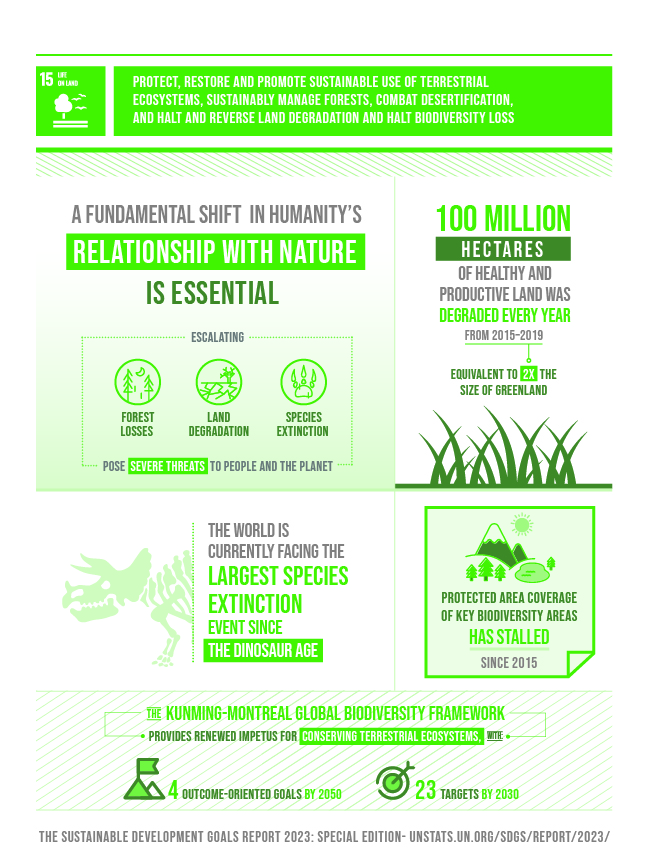
Goal 15
Life on Land – Conservation efforts for the temple ruins aim to protect terrestrial ecosystems and biodiversity within the surrounding area.
Protect, restore and promote sustainable use of terrestrial ecosystems, sustainably manage forests, combat desertification, and halt and reverse land degradation and halt biodiversity loss
Goal 16
Peace, Justice, and Strong Institutions – Preservation of cultural heritage sites like the Temple of Artemis promotes social cohesion and strengthens institutions responsible for heritage protection.
Promote peaceful and inclusive societies for sustainable development, provide access to justice for all and build effective, accountable and inclusive institutions at all levels

Address: Atatürk, Park İçi Yolu No:12, 35920 Selçuk/İzmir, Türkiye
Architects: Metagenes, Chersiphron
Phone: +90 232 892 60 10
References
- https://en.wikipedia.org/wiki/Temple_of_Artemis
- https://www.youtube.com/watch?v=hox-J4mkqbA
- https://www.througheternity.com/en/blog/things-to-do/The-History-and-Legends-of-the-Temple-of-Artemis-of-Ephesus-One-of-the-Seven-Wonders-of-the-Ancient-World.html#
- https://www.youtube.com/watch?v=CcemMtXm9Ns
- https://sdgs.un.org/goals
- https://www.britannica.com/topic/Temple-of-Artemis-temple-Ephesus-Turkey
- https://ephesiantourism.com/temple-of-artemis/
- https://ephesus.us/around-ephesus/temple-of-artemis/