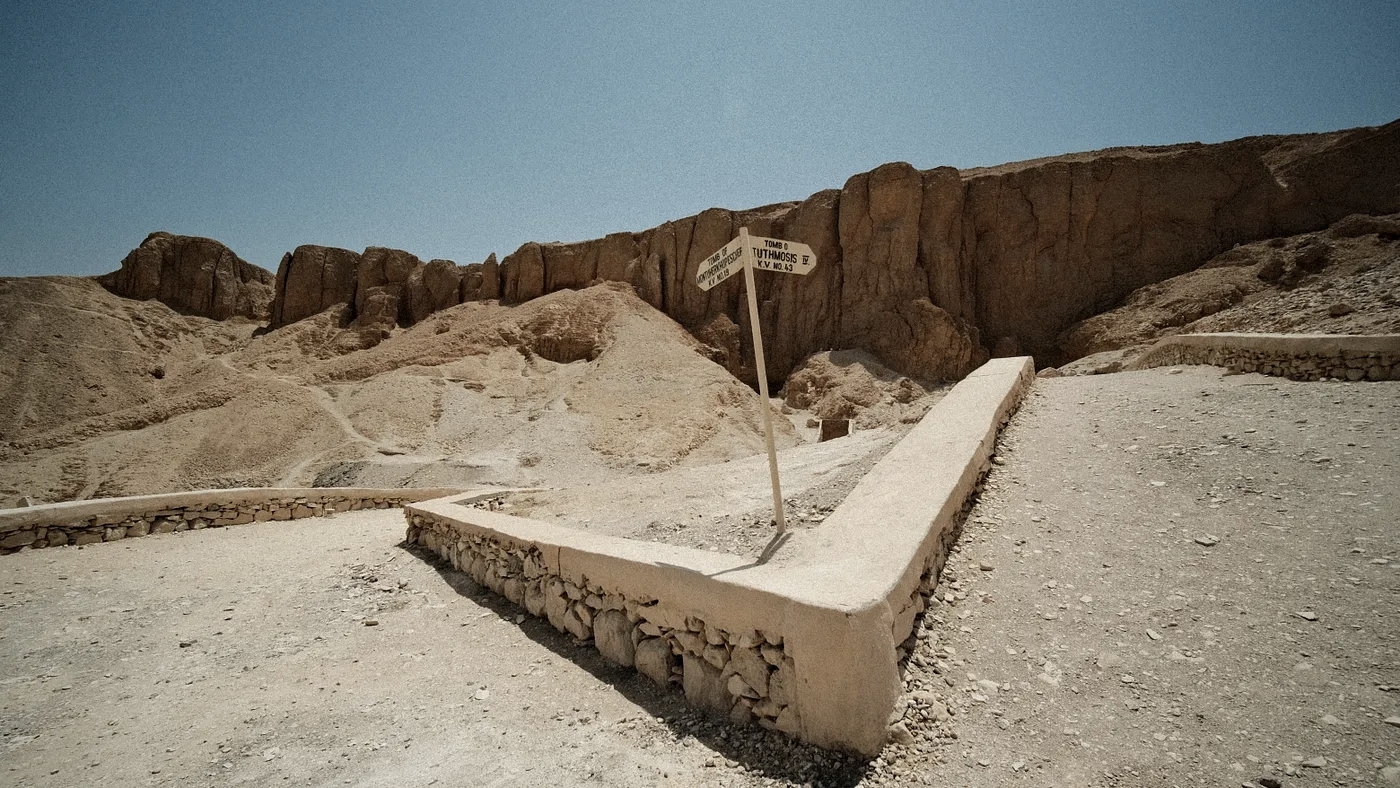
Welcome to the World Heritage Site
This is Valley of the Kings.
The Valley of the Kings, located on the west bank of the Nile near Luxor, Egypt, is an important archaeological site. It served as the burial ground for pharaohs and powerful nobles of the Egyptian New Kingdom from the 16th to the 11th century BCE. The site is world-renowned for its architectural and artistic achievements, showcasing the height of ancient Egyptian funerary culture.
Now, you can follow explorer Manuel Bravo in this 10-minute video to discover the mysteries of this enchanting valley……
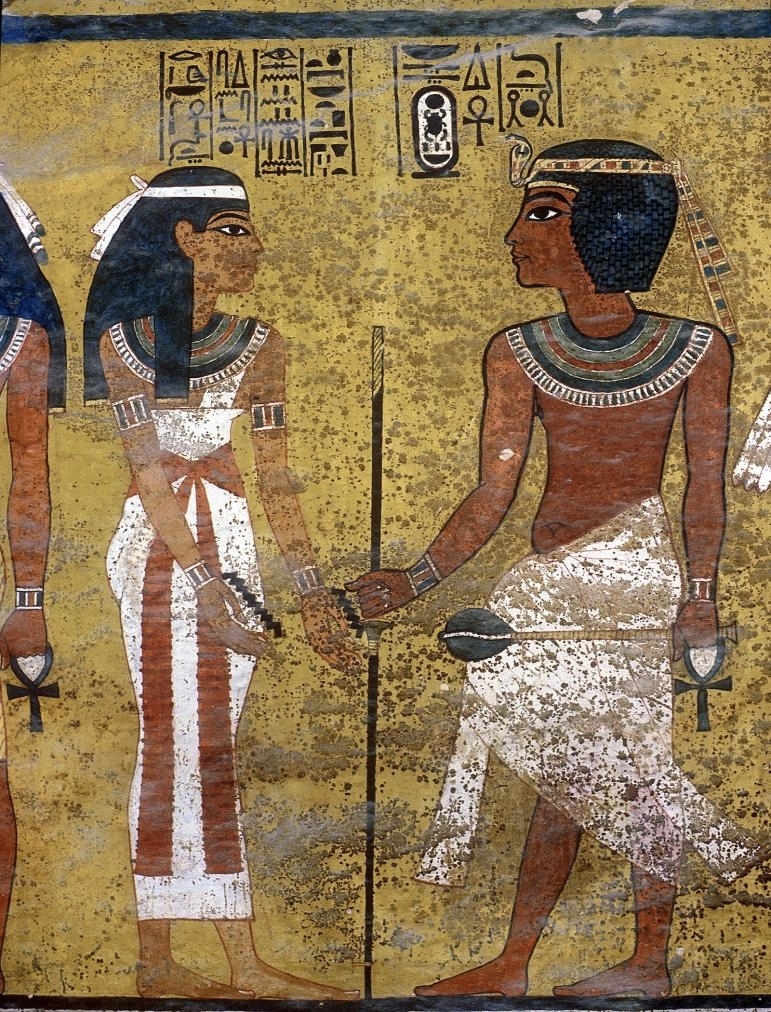
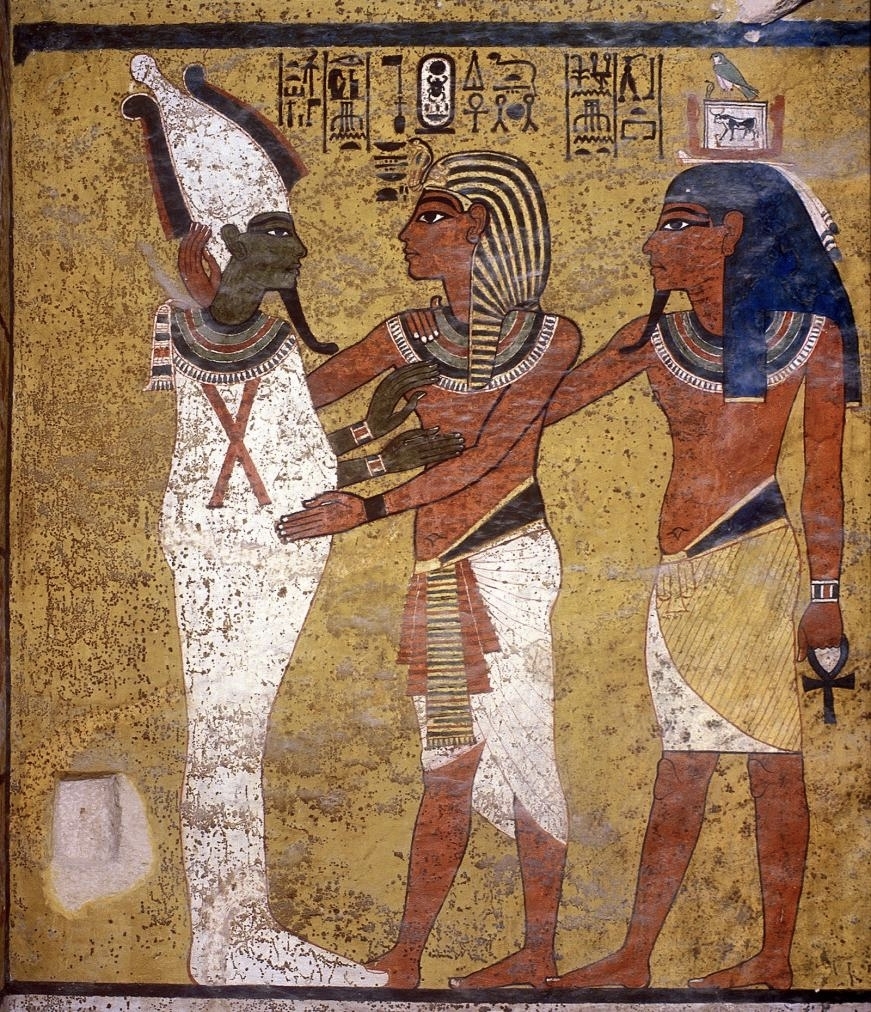
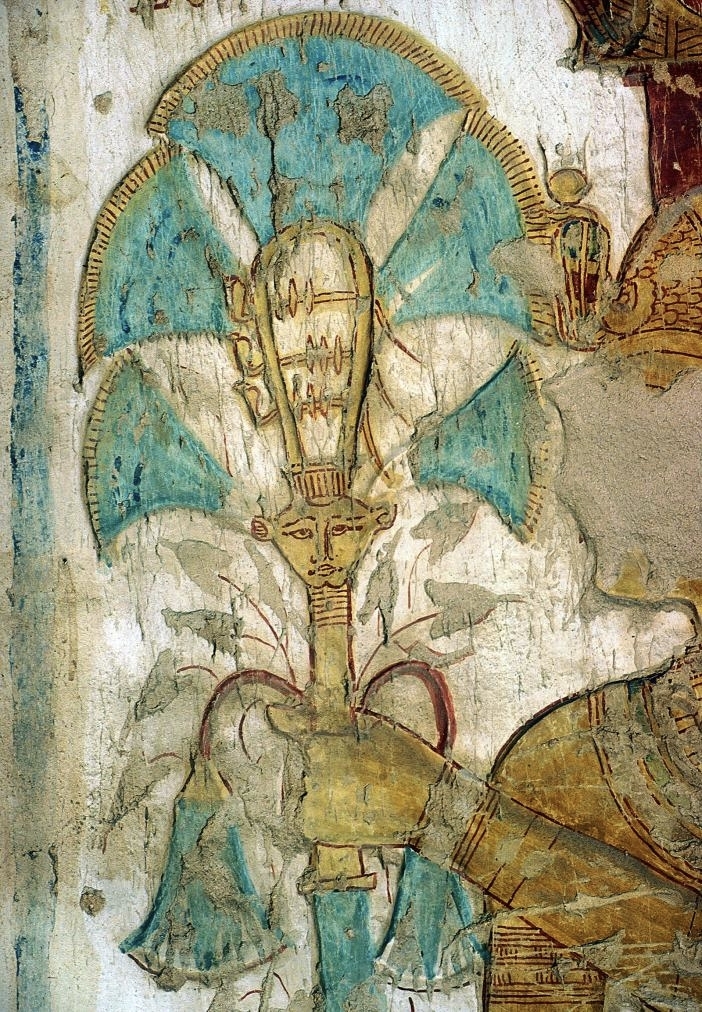
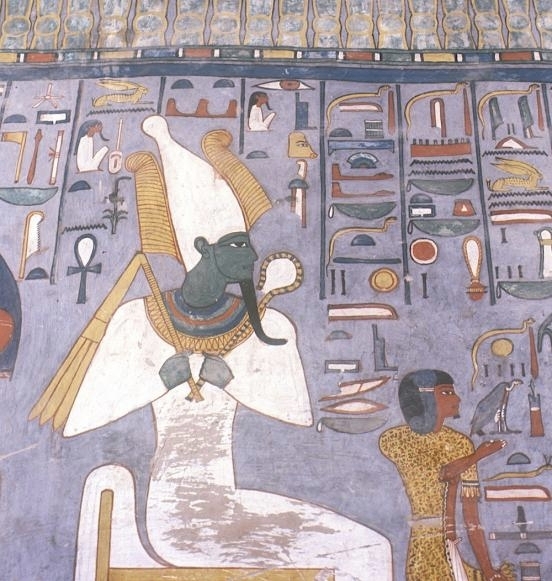
The Valley of the Kings provides a window into ancient Egyptian civilisation. Known for the burial of great New Kingdom pharaohs such as Tutankhamun, Ramses the Great, and Thutmose IV, the valley contains about 80 tombs. These tombs, with their complex designs and detailed murals, offer valuable insights into the religious beliefs, technological advancements, and daily life of ancient Egyptian society, displaying the civilisation’s artistic prowess and profound spiritual beliefs.
Founding of the Necropolis (16th century BC – 1550 BC)
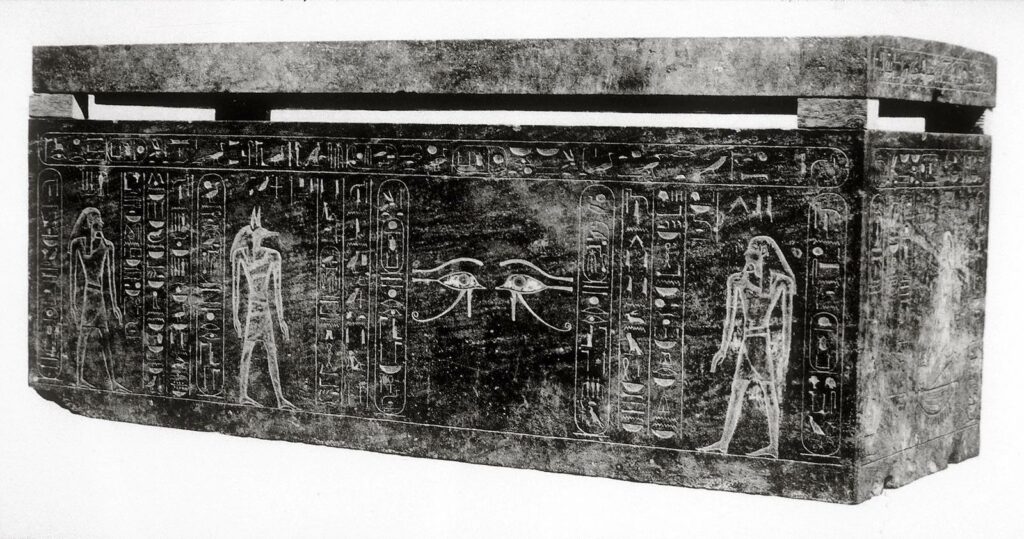
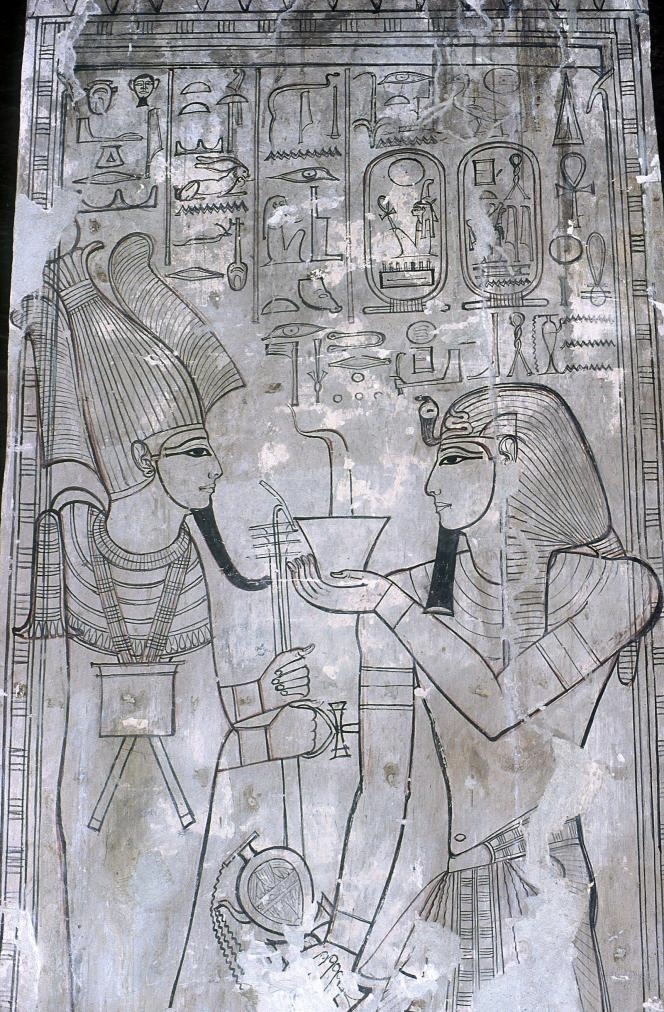
During this period, the pharaohs began the tradition of using the Valley of the Kings as their burial ground, marking a significant shift from pyramids to secure, concealed tombs nestled in the valley. Ahmose I (circa 1550-1525 BCE) is credited with establishing the 18th Dynasty, heralding the beginning of the New Kingdom and the era when the Valley of the Kings was first considered for royal burials. Thutmose I was the first pharaoh to commission a tomb (KV38) in the Valley of the Kings.
The image shows the sarcophagus of Thutmose I.1
Golden Age (1550 BC – 1292 BC)
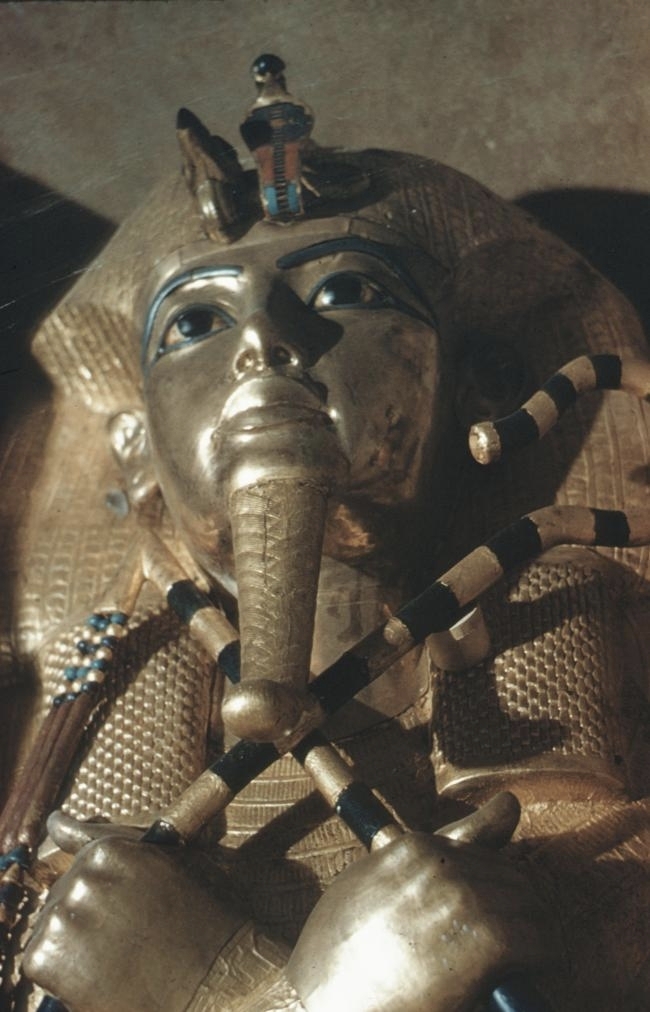
This period marks the most intensive phase of tomb construction, with many of the most famous pharaohs interred here, including Tutankhamun, Hatshepsut, and Amenhotep III.
The image shows KV62, the tomb of Tutankhamun, the only pharaoh whose mummy remains in the Valley of the Kings tomb chamber.2

Late Use and Decline (1292 BC – 1077 BC)
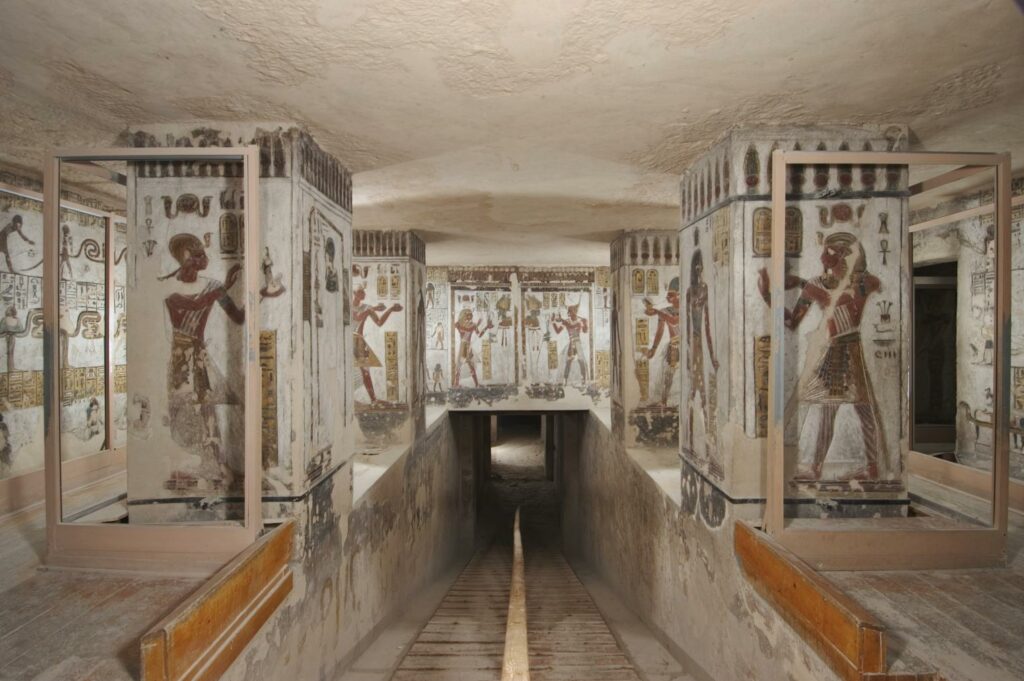
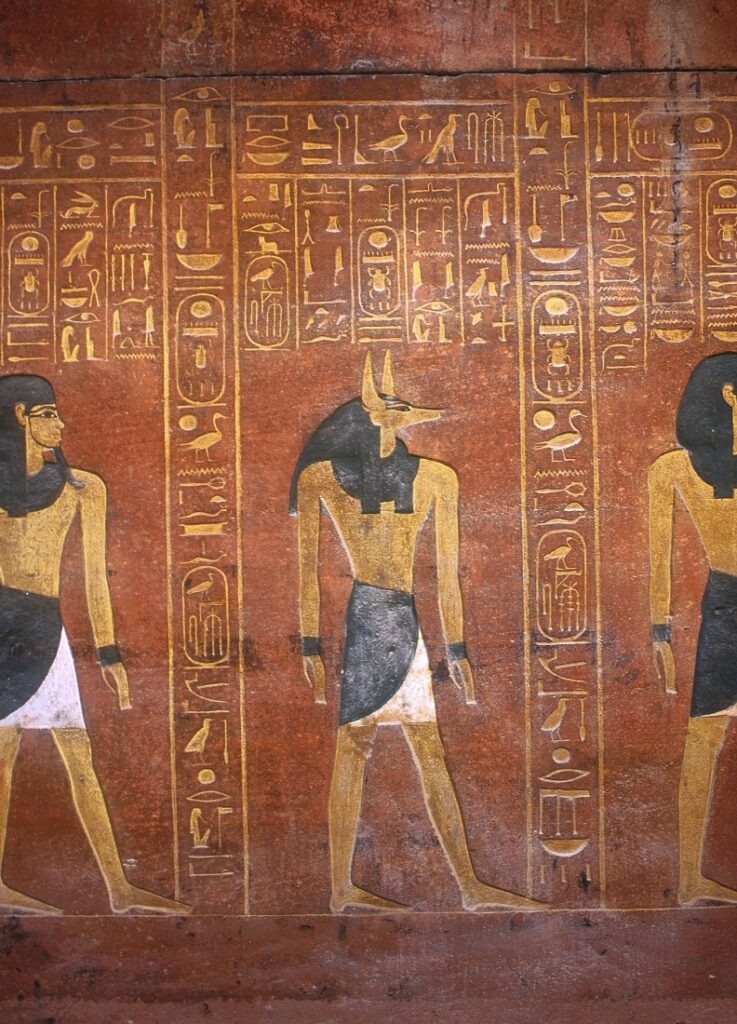
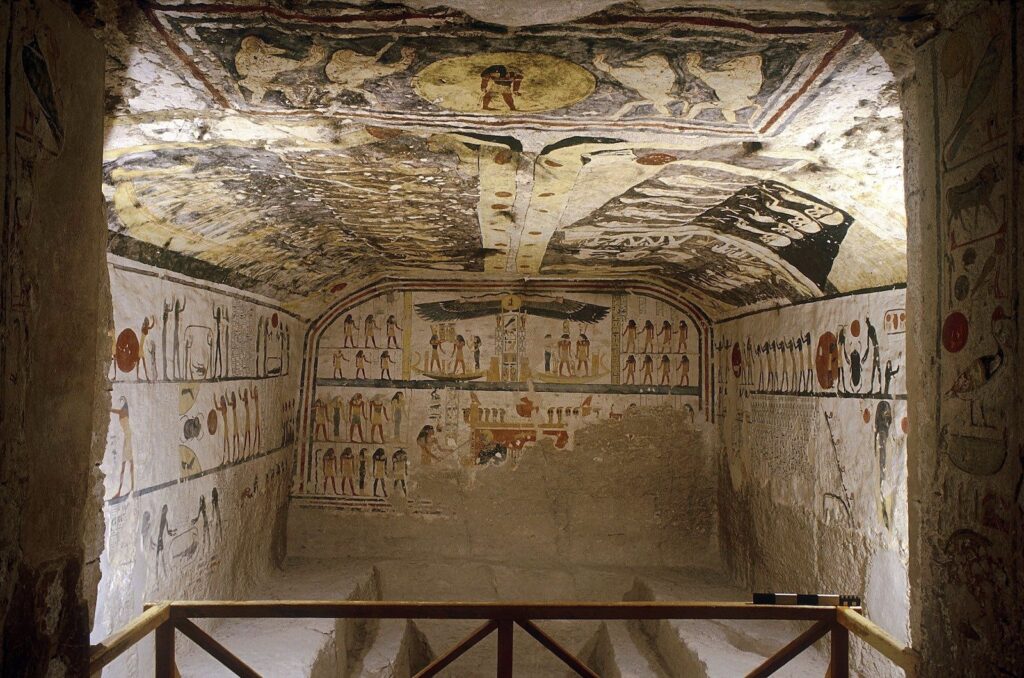
During the reigns of pharaohs like Ramesses II and Ramesses III, the valley continued to be utilised, albeit with a decline in grandeur. With tomb robbery becoming increasingly prevalent during this period, the complexity of tomb design reached its peak, focusing on protecting the tombs from plunderers.
The image shows KV11 (Rameses III). Pillared Hall F, rear wall (center part). Image # 20935. Photographer/Artist: Matjaz Kacicnik.3
Lost and Found (19th century AD – Early 20th century)
“From about the sixth century CE until the eighteenth century, virtually nothing is known about Thebes or the Valley of the Kings. There are no graffiti, no visitors’ journals, no letters, and no sketches. ”
“History of the Valley of the Kings: Third Intermediate Period to the Byzantine Period | Theban Mapping Project”
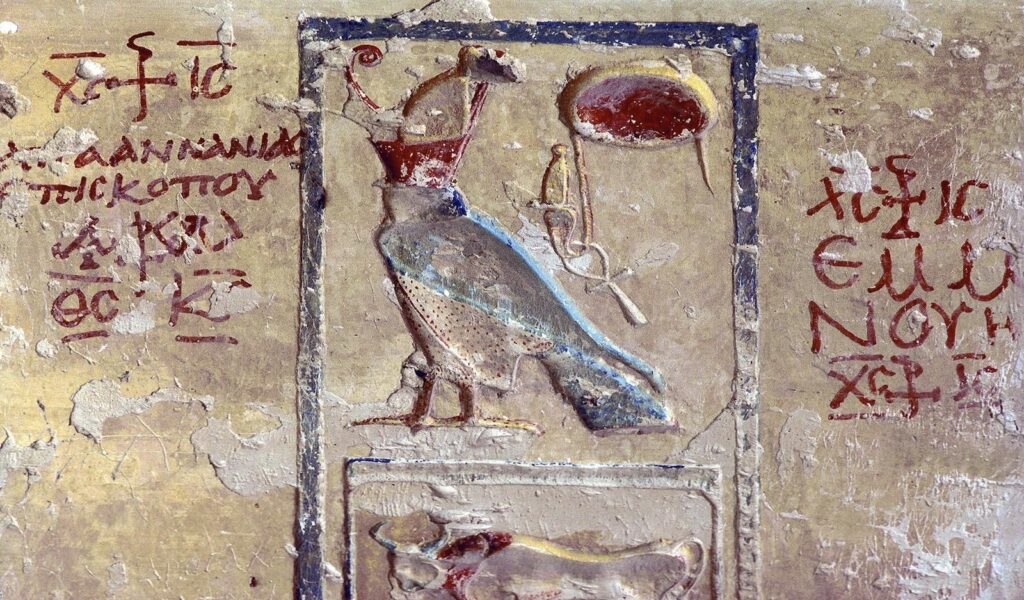
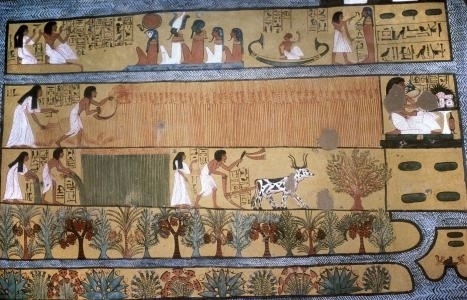
By the end of the New Kingdom, the use of the Valley of the Kings as a burial ground for pharaohs diminished, and the last few tombs were no longer as elaborate. Following the conclusion of the New Kingdom period, the valley entered a long period of neglect and plunder. It wasn’t until modern times when European explorers and archaeologists rediscovered it, particularly through initial documentation and survey work, that the treasures hidden within the site began to be unveiled.
The image shows hieroglyphs from the Byzantine period within the tomb, starting with the Horus name of Ramesses IV, surrounded by Coptic graffiti.4
Preservation and Research (Late 20th century – Present)
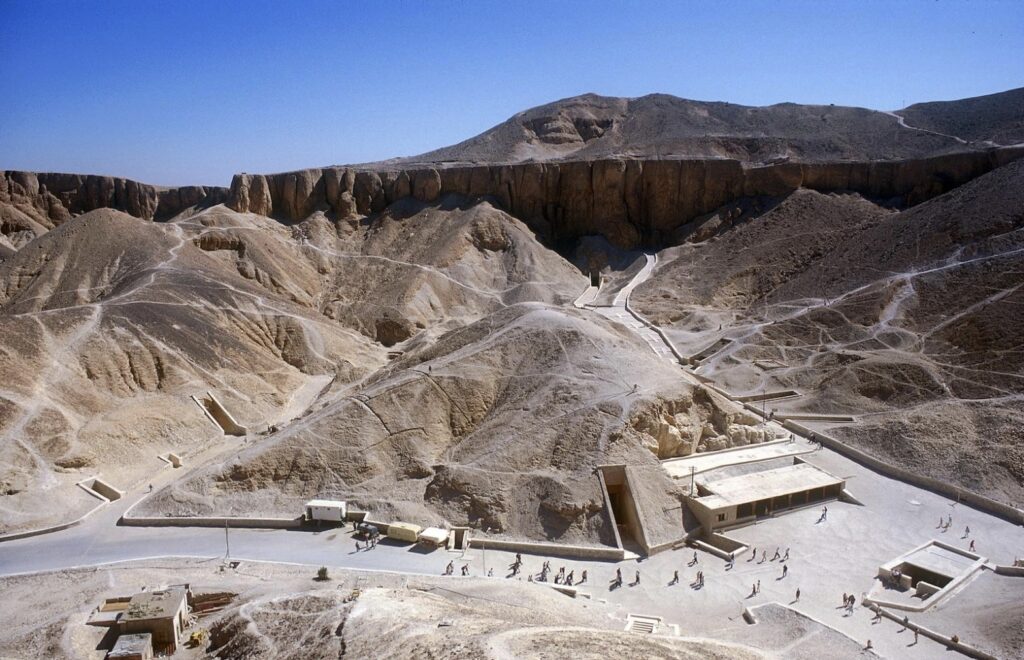
In recent years, digital technology has been increasingly used to protect and share the Valley of the Kings with the world. Virtual reality tours, 3D tomb modeling, and online databases allow global audiences to access this remote heritage site. A notable project is the Theban Mapping Project, which offers virtual access to maps of the Valley, floor plans of the tombs, and extensive information about the tombs of the New Kingdom in Egypt. These digital efforts have greatly enhanced global understanding of the Valley of the Kings, demonstrating the potential of digital technology in the preservation, research, and broader public sharing of cultural heritage.
Gallery
Works Cited
- https://thebanmappingproject.com/articles/historical-development-valley-kings ↩︎
- https://medium.com/@asas0227/%E5%B8%9D%E7%8E%8B%E8%B0%B7-valley-of-the-kings-99c2cb7005b7 ↩︎
- https://thebanmappingproject.com/images/20935jpg?site=5427 ↩︎
- https://thebanmappingproject.com/articles/history-valley-kings-third-intermediate-period-byzantine-period ↩︎