How Can a Thousand-Year-Old Earthen Architecture Weather the Storms of the 21st Century?
This exhibition offers an immersive experience that takes visitors through the historical context and contemporary expressions of Fujian Tulou. From its multifaceted cultural values to the challenges posed by climate change, and from adaptive conservation strategies to active practices aligned with the Sustainable Development Goals, we explore how tradition and innovation converge amid the climate crisis to build a resilient future for cultural heritage.
About Fujian Tulou
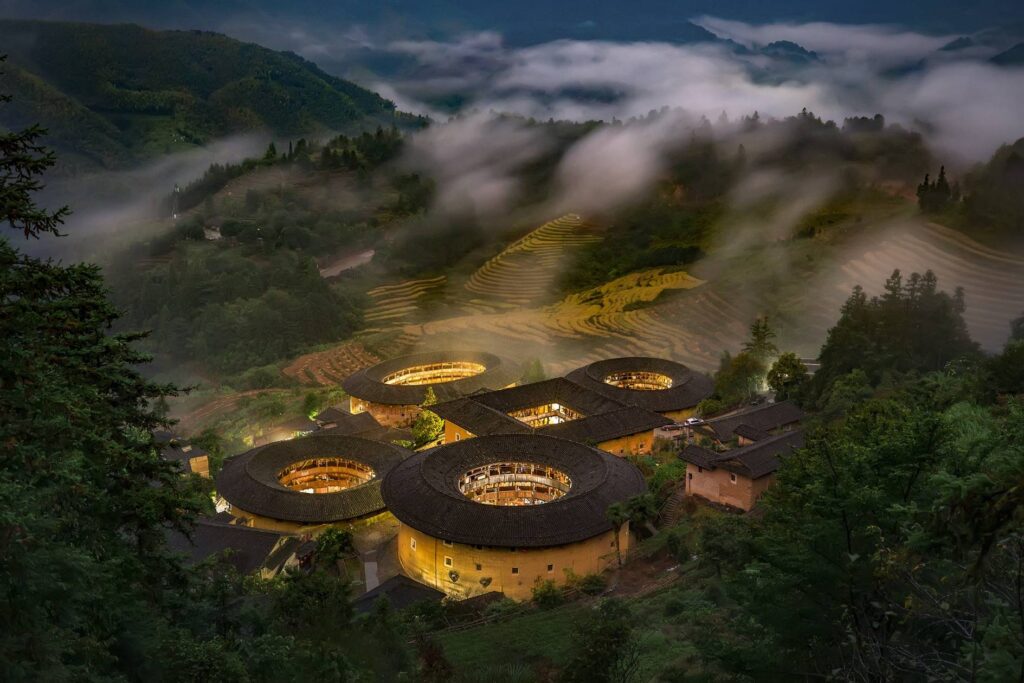
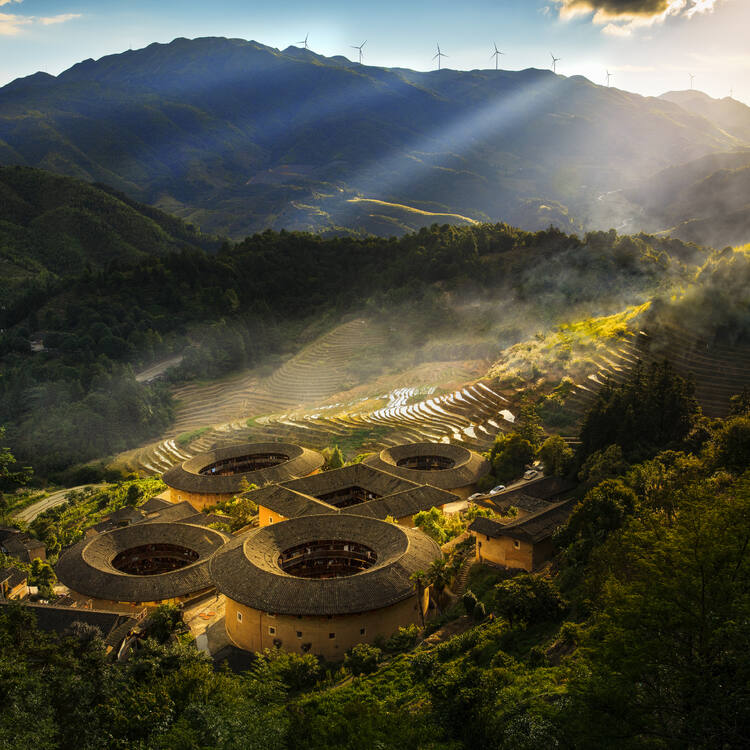
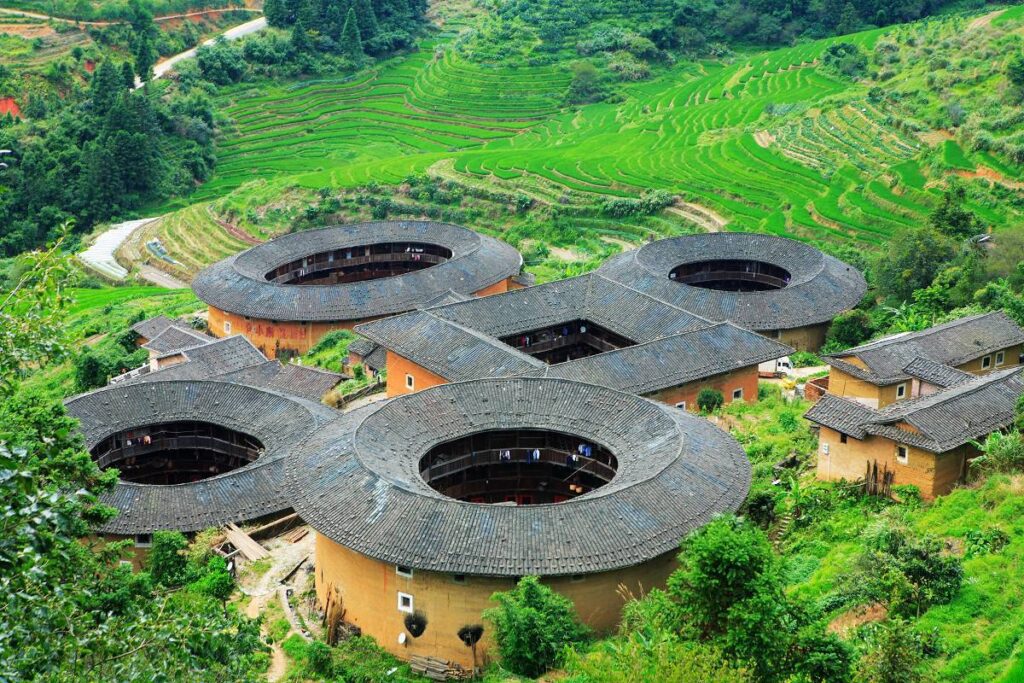
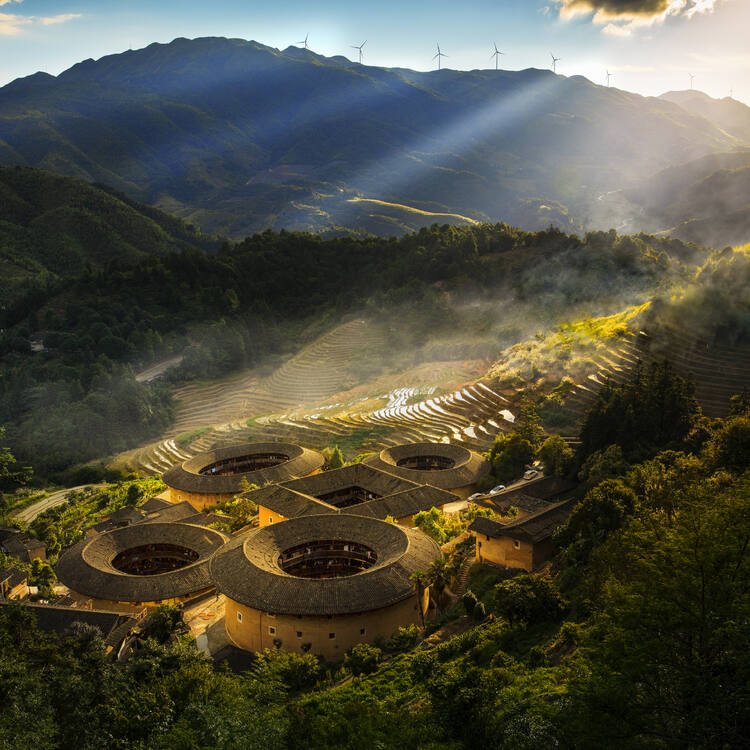
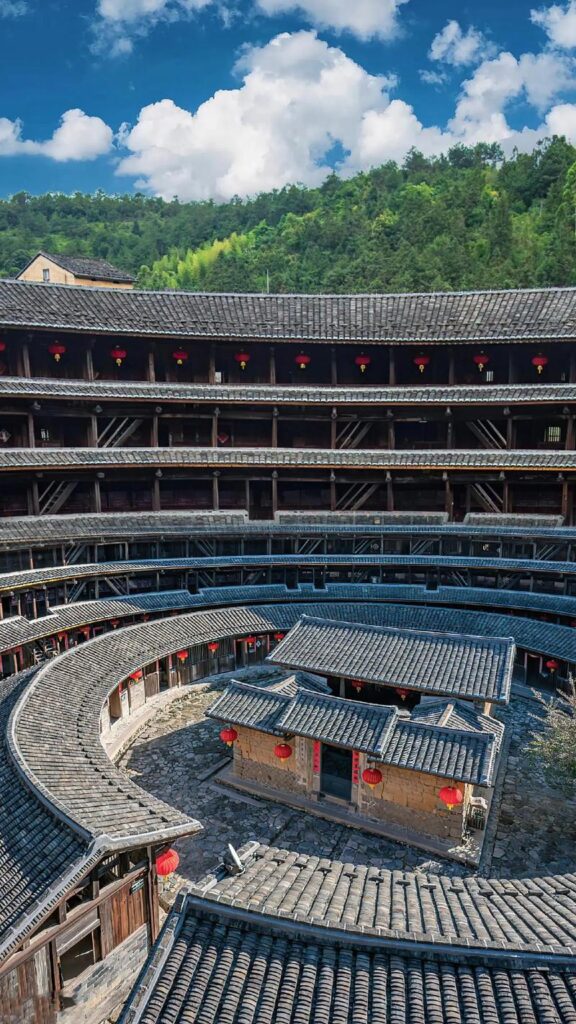
Fujian Tulou, primarily found in the mountainous regions of southern Fujian Province, China, were built by the Hakka and Minnan people. These large rammed-earth residential structures are a distinctive architectural feature of southern China, with origins dating back to the 10th century.
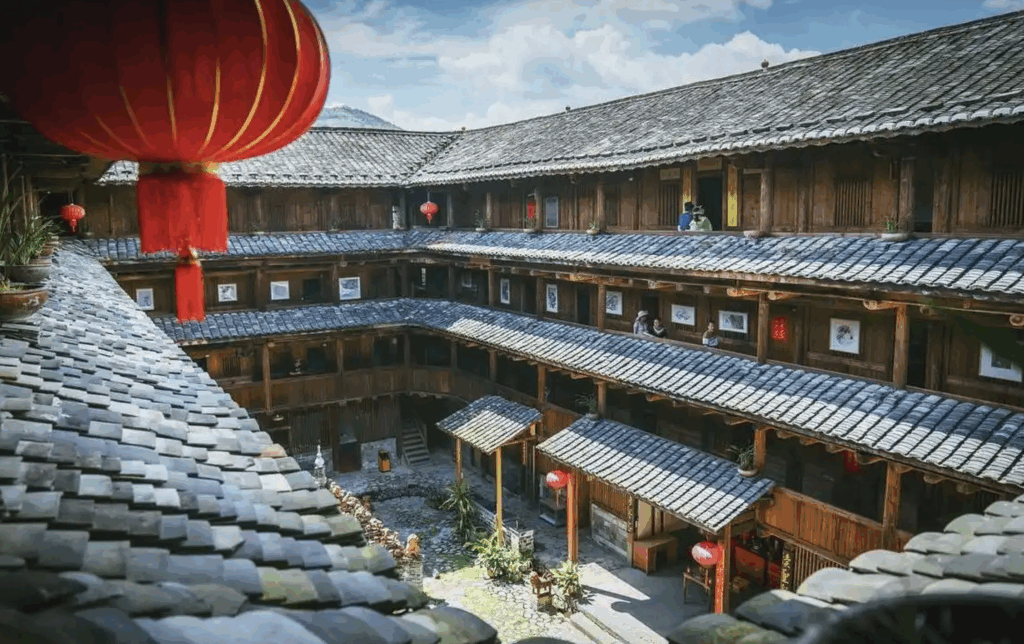
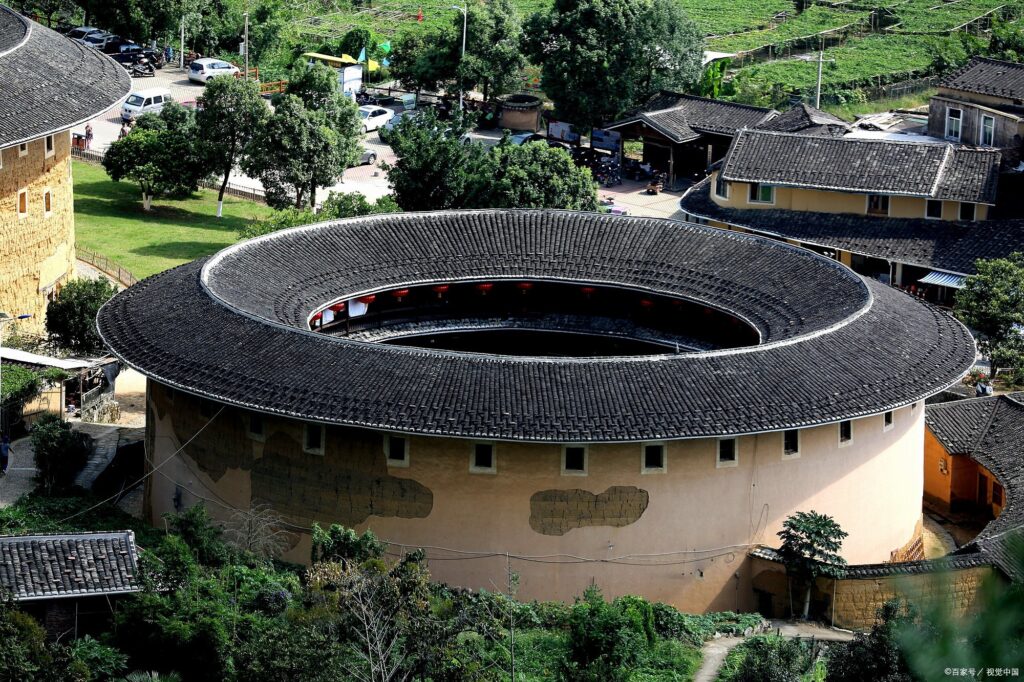
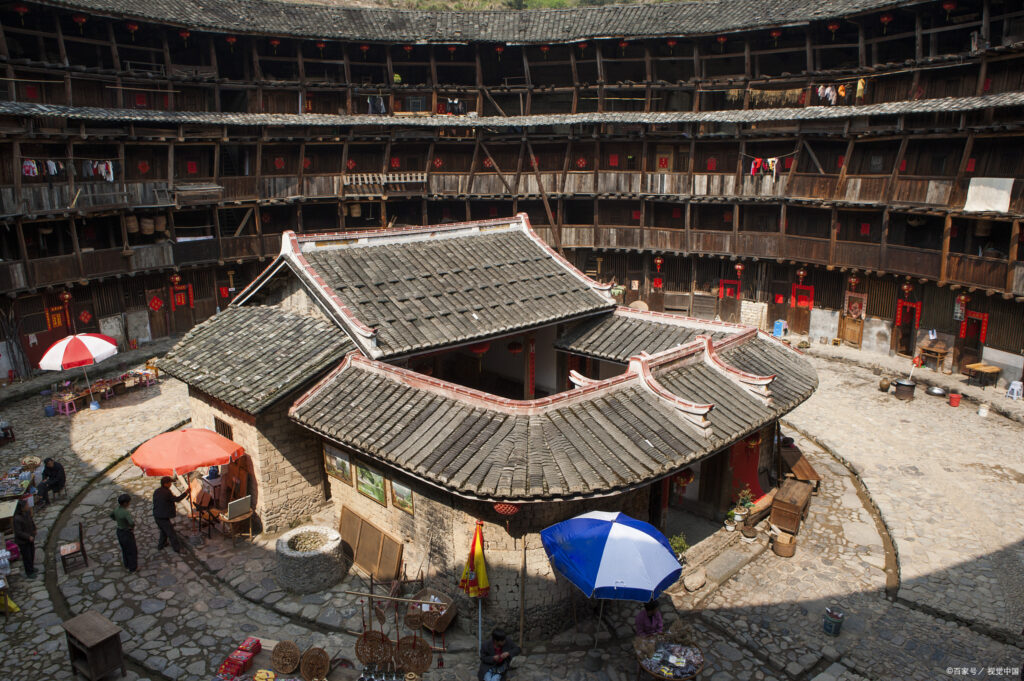
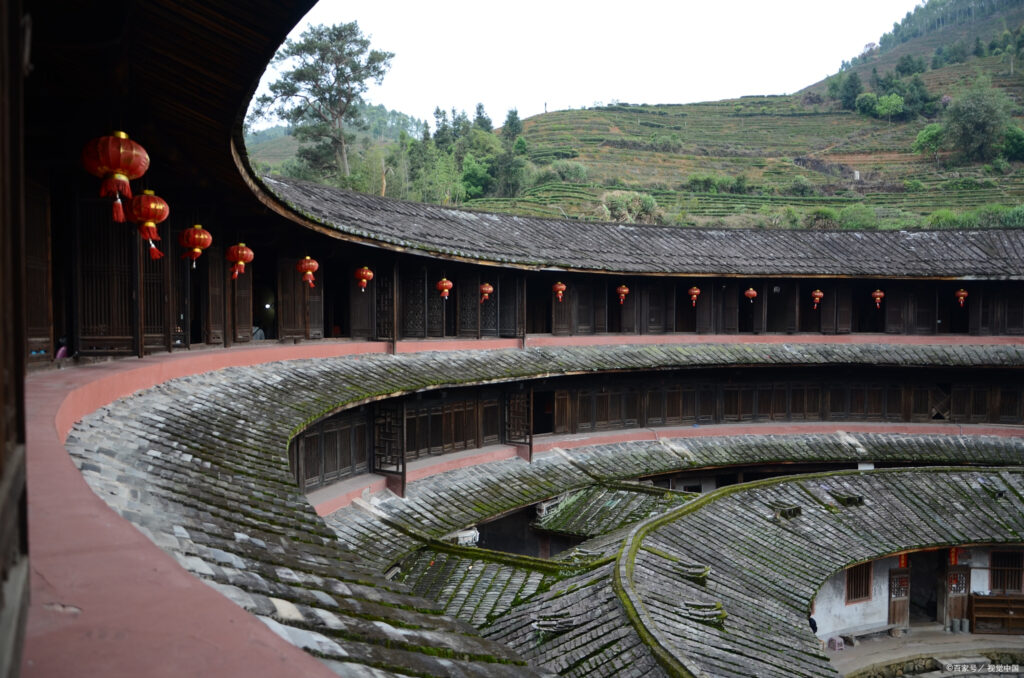
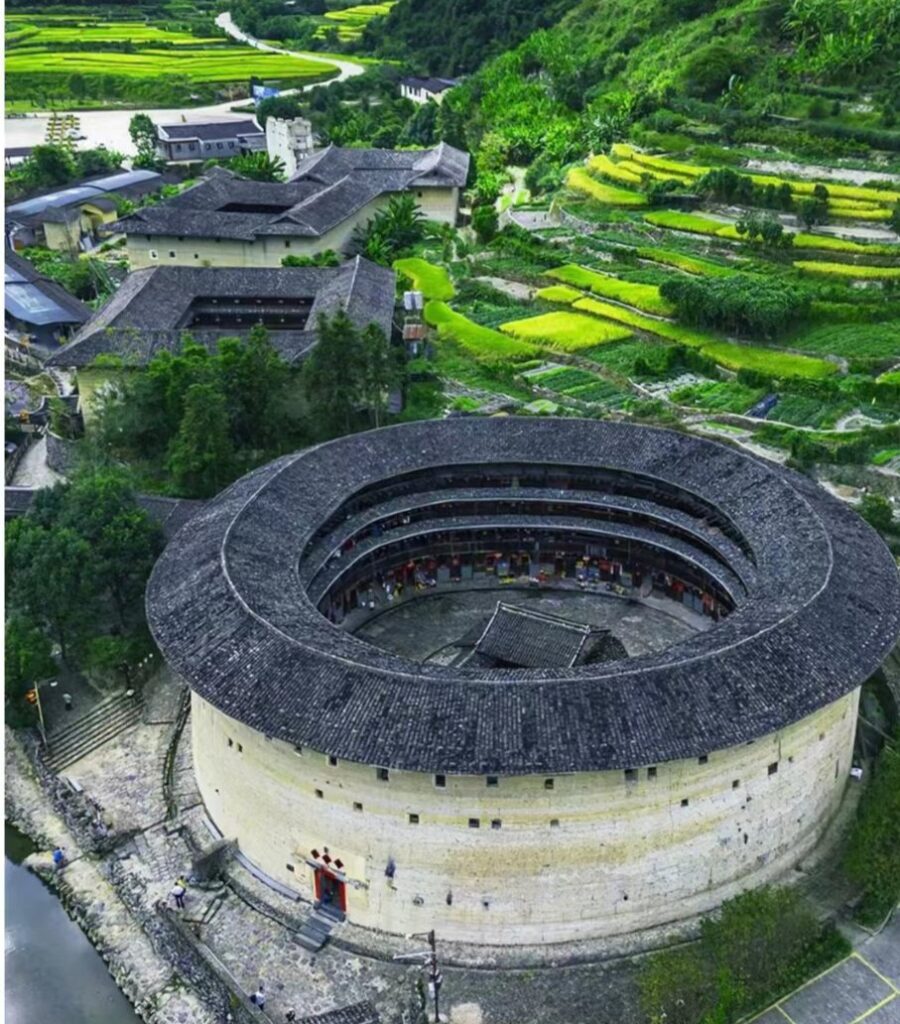
Typically, Tulou are large, enclosed, and fortified earthen buildings. The most common shapes are rectangular or circular, with thick load-bearing rammed-earth walls standing three to five stories high, capable of housing up to 800 residents. Inside, smaller buildings are enclosed by the massive outer walls, forming a self-contained complex that includes halls, storage areas, wells, and living quarters—resembling a small defensive city.
The architectural design of Fujian Tulou reflects deep-rooted clan traditions. Their unique structures, thick rammed-earth walls, and use of natural materials not only preserve Hakka and Minnan cultural customs—such as multi-generational communal living and ancestral hall practices—but also embody the principle of harmony between humans and nature, showcasing an environmentally adaptive architectural approach.
In 2006, Tulou construction techniques were inscribed on China’s National Intangible Cultural Heritage list. In 2008, Fujian Tulou was designated a UNESCO World Heritage Site, recognizing their cultural and historical significance.
Exploring the Tulou: Video & 3D Model
The Multifaceted Values of Fujian Tulou
Cultural Value
Fujian Tulou represents a unique residential form developed by the Hakka and Minnan communities, incorporating traditional Chinese feng shui principles and embodying the concept of harmonious coexistence between humans and nature. As structures that combine defensive functions with communal living, Tulou not only reflect local social organization and lifestyles but also preserve a wealth of folklore and ethnic traditions, making them an important vehicle for cultural heritage transmission.
Social Value
Fujian Tulou function not only as traditional dwellings but also as vital community centers that nurture ethnic identity and facilitate the transmission of heritage across generations, thereby reinforcing social cohesion. Their revitalization and adaptive reuse offer valuable lessons for contemporary community planning.
Research Value
Fujian Tulou have been the focus of multidisciplinary research, with engineering and technology accounting for the majority (69.09%) of studies. Other fields, including philosophy and humanities (30.91%), as well as economics and management sciences (30%), also contribute significantly, highlighting the site’s rich interdisciplinary research potential.
Economic Value
With their distinctive cultural and architectural appeal, Fujian Tulou have become significant tourist attractions and an important pillar of the local economy.
Climate Threats
Extreme Rainfall and Geological Hazards: Climate change has led to more frequent extreme rainfall events, significantly increasing the risk of floods, landslides, and debris flows. Although Fujian Tulou were originally designed with effective drainage systems, intense rain and poor drainage can still cause foundation weakening and moisture damage to walls.
Rising Temperatures and Humidity Fluctuations: Continuous temperature rise and fluctuating humidity create ideal conditions for mold, fungi, and termites, accelerating the decay of wooden components and rammed earth walls. Additionally, daily temperature swings and extreme weather cause expansion and contraction of building materials, leading to structural cracks and damage.
Increased Typhoons and Extreme Weather: In recent years, the frequency of typhoons and severe storms has noticeably increased, damaging roofs and wooden beams and even destabilizing entire structures. Rammed earth is especially vulnerable to wind erosion and rainwater washout, threatening the overall stability of the Tulou.
Environmental Degradation and Biological Erosion: Acid rain, temperature and humidity changes, and soil salinization pose ongoing threats to rammed earth walls and wooden elements. Meanwhile, termites and microorganisms cause hidden, long-term damage that can gradually degrade the structural integrity of the Tulou.
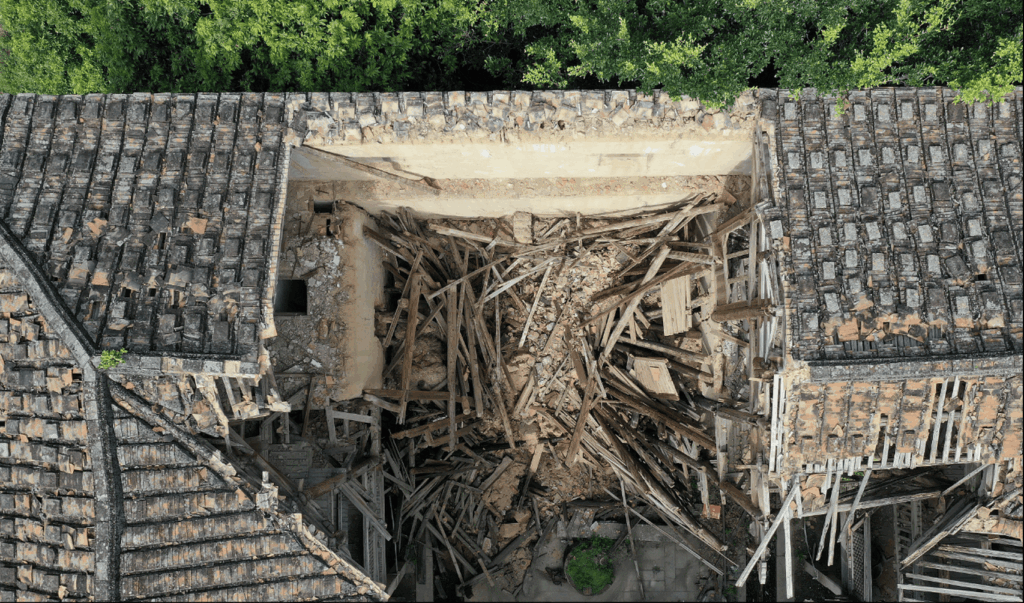
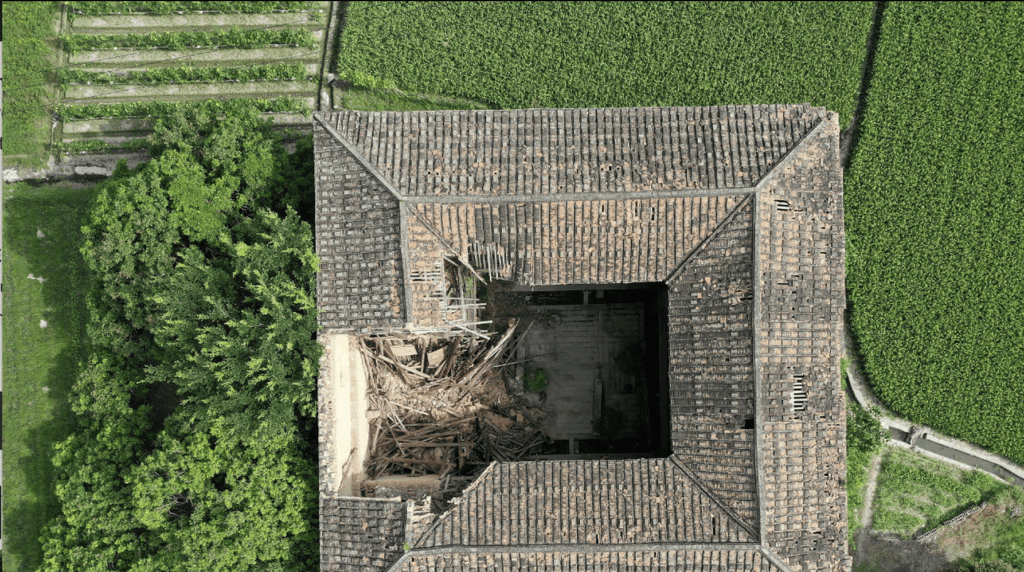
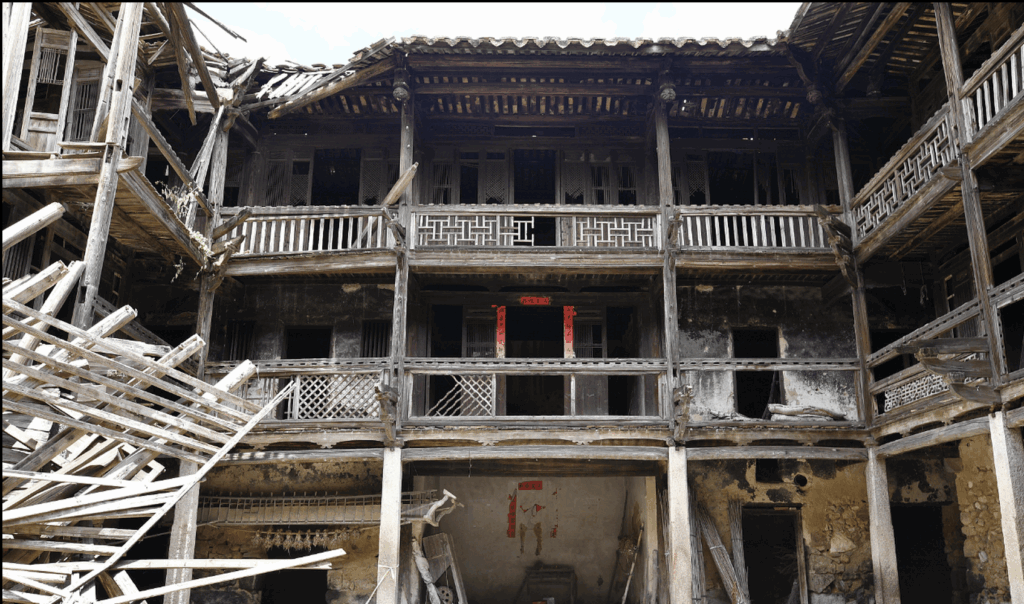
Building Climate Resilience for Fujian Tulou
Facing more frequent extreme weather, rising humidity, and biological threats, Fujian Tulou needs smart and sustainable solutions. This exhibit presents four key strategies:
🔧 Climate-Resilient Repairs
Strengthening structures with eco-friendly materials like treated timber and improved rammed earth. Regular inspections and pest/moisture control help extend building life.
📡 Smart Monitoring Systems
Sensors and digital tools (such as 3D models and digital twins) track structural health and environmental changes in real time, enabling early warnings and timely repairs.
🌿 Ecological Management & Community Involvement
Restoring nearby vegetation, managing water flow, and reducing erosion risks—while empowering local communities to care for their environment and cultural heritage.
♻️ Green Cultural Tourism
Promoting low-carbon tourism through eco-guides, visitor caps, solar lighting, and rainwater use. A portion of revenue supports heritage and ecosystem restoration.
Together, these efforts protect the unique cultural and ecological value of Fujian Tulou for future generations.
Building a Sustainable Future: Tulou and the SDGs
SDG 4: Quality Education
Disseminate knowledge of the Tulou through digital exhibitions and online platforms to enhance public awareness of cultural heritage and climate change, thereby promoting education for sustainable development and fostering cross-cultural understanding.
SDG 8: Decent Work & Economic Growth
Develop green cultural tourism that encourages community participation, generates local employment, and creates sustainable income, contributing to regional green economic development.
SDG 9: Industry, Innovation & Infrastructure
Leverage technologies such as remote sensing, AI analytics, and digital twins to improve disaster early warning and heritage preservation efficiency, driving innovation in cultural protection technologies.
SDG 11: Sustainable Cities & Communities
Integrate intelligent monitoring and data-driven management to establish replicable digital heritage management models, strengthening community resilience to climate change while preserving the ecological architectural wisdom of the Tulou.
SDG 12: Responsible Consumption & Production
Adopt low-carbon dissemination methods such as online tours and virtual exhibitions to reduce on-site resource consumption and carbon emissions, promoting green communication and sustainable utilization of cultural heritage.
Tulou Knowledge Exploration and 360° Virtual Models
Explore the rich heritage and contemporary research on Fujian Tulou through three interactive resources. Click the corresponding Explore buttons to navigate to each section:
Explore the comprehensive knowledge of Tulou through Wikipedia, including terminology, notable Fujian Tulou, architectural design, community living, defense mechanisms, research, transportation, cultural influence, and more.
CNKI is China’s authoritative academic paper database. Users can search for “Tulou” and related keywords to access a wealth of high-quality academic papers and research, gaining in-depth insights into Tulou’s history, architecture, cultural significance, as well as current studies on climate threats and adaptation measures.
This section links to a 360-degree VR video of the Tulou interior and its surroundings on the Bilibili platform. The video is best viewed on touch-enabled devices such as iPads or smartphones, allowing users to interact through swiping or moving the device for an immersive experience. The video shows a brief, real-time exploration of the VR content on a mobile device, helping viewers understand the actual exploration experience.
Photo Gallery
Looking Ahead: The Role of Fujian Tulou in the Global Climate Crisis
As we reach the conclusion of this exhibition, we look back at the Fujian Tulou—centuries-old dwellings that have weathered the passage of time, climate shifts, and ecological challenges.
In the face of increasingly frequent extreme weather, rising humidity, and biological threats, the Tulou communities continue to inspire us with their principles of local adaptation, energy efficiency, and strong social cohesion. Through climate-resilient repairs, ecological management, community participation, and the support of modern digital monitoring technologies, they demonstrate remarkable resilience in adapting to environmental change.
The wisdom embedded in the Tulou goes beyond technology and policy—it offers a valuable model for building harmonious and adaptive relationships between people and nature.
The legacy of the Tulou not only safeguards cultural heritage but also actively supports the Sustainable Development Goals—promoting quality education, sustainable cities and communities, innovation, and responsible consumption.
As you leave this exhibition, we invite you to carry this vision forward. Strengthen the essential connections between culture, environment, and sustainability, and become an active contributor to a more resilient and hopeful future.