Browse Items (4036 total)
Sort by:
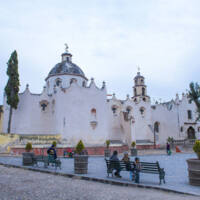
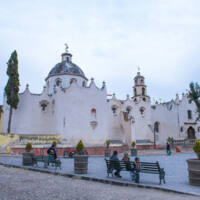
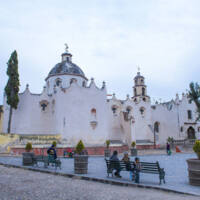
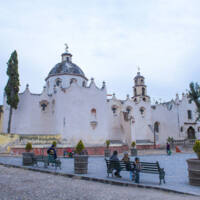
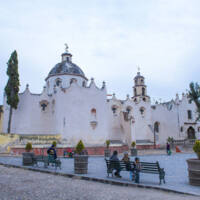
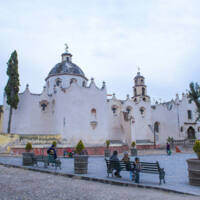
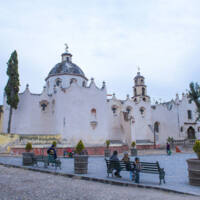
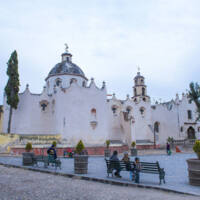
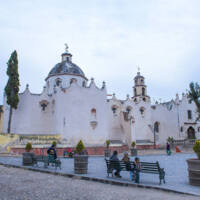
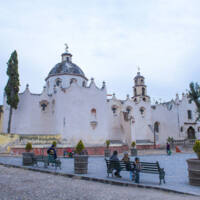
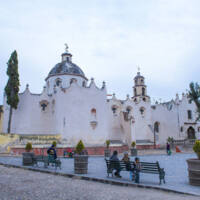
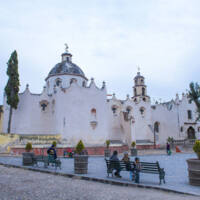
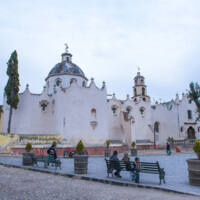
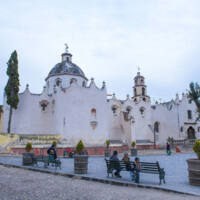
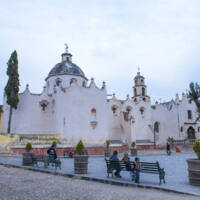
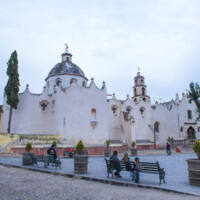
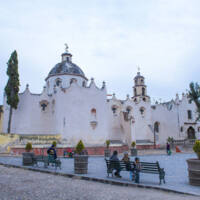
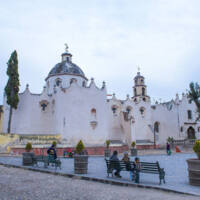
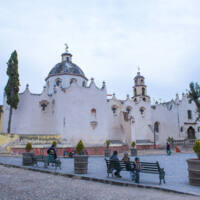
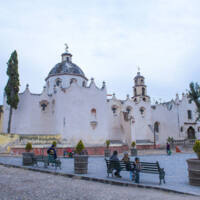
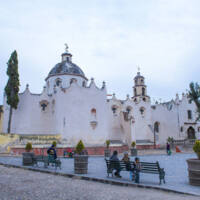
Protective Town of San Miguel and the Sanctuary of Jesús Nazareno de Atotonilco
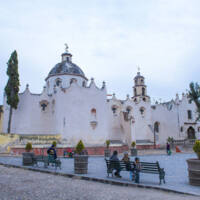
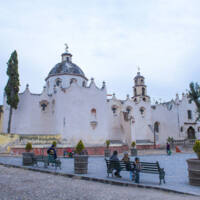
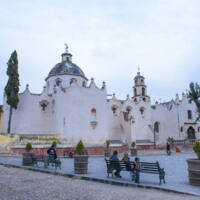
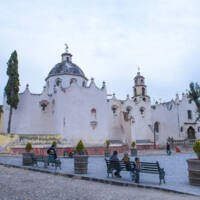
The Protective Town of San Miguel de Allende and the Sanctuary of Jesús Nazareno de Atotonilco represent exceptional examples of 18th-century Mexican Baroque architecture and cultural fusion. Established in the 16th century along the Royal Route, San…
Protective Town of San Miguel and the Sanctuary of Jesús Nazareno de Atotonilco
The Protective Town of San Miguel de Allende and the Sanctuary of Jesús Nazareno de Atotonilco represent exceptional examples of 18th-century Mexican Baroque architecture and cultural fusion. Established in the 16th century along the Royal Route, San…
Protective Town of San Miguel and the Sanctuary of Jesús Nazareno de Atotonilco
The Protective Town of San Miguel de Allende and the Sanctuary of Jesús Nazareno de Atotonilco represent exceptional examples of 18th-century Mexican Baroque architecture and cultural fusion. Established in the 16th century along the Royal Route, San…
Protective Town of San Miguel and the Sanctuary of Jesús Nazareno de Atotonilco
The Protective Town of San Miguel de Allende and the Sanctuary of Jesús Nazareno de Atotonilco represent exceptional examples of 18th-century Mexican Baroque architecture and cultural fusion. Established in the 16th century along the Royal Route, San…
Protective Town of San Miguel and the Sanctuary of Jesús Nazareno de Atotonilco
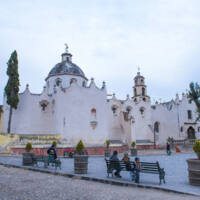
The Protective Town of San Miguel de Allende and the Sanctuary of Jesús Nazareno de Atotonilco represent exceptional examples of 18th-century Mexican Baroque architecture and cultural fusion. Established in the 16th century along the Royal Route, San…
Protective Town of San Miguel and the Sanctuary of Jesús Nazareno de Atotonilco
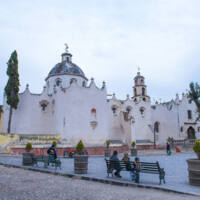
The Protective Town of San Miguel de Allende and the Sanctuary of Jesús Nazareno de Atotonilco represent exceptional examples of 18th-century Mexican Baroque architecture and cultural fusion. Established in the 16th century along the Royal Route, San…
Protective Town of San Miguel and the Sanctuary of Jesús Nazareno de Atotonilco
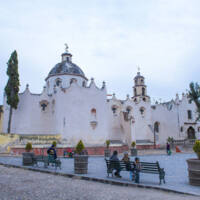
The Protective Town of San Miguel de Allende and the Sanctuary of Jesús Nazareno de Atotonilco represent exceptional examples of 18th-century Mexican Baroque architecture and cultural fusion. Established in the 16th century along the Royal Route, San…
Protective Town of San Miguel and the Sanctuary of Jesús Nazareno de Atotonilco
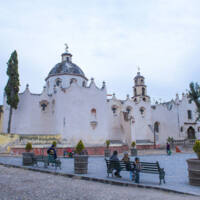
The Protective Town of San Miguel de Allende and the Sanctuary of Jesús Nazareno de Atotonilco represent exceptional examples of 18th-century Mexican Baroque architecture and cultural fusion. Established in the 16th century along the Royal Route, San…
Protective Town of San Miguel and the Sanctuary of Jesús Nazareno de Atotonilco
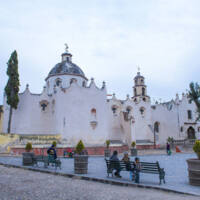
The Protective Town of San Miguel de Allende and the Sanctuary of Jesús Nazareno de Atotonilco represent exceptional examples of 18th-century Mexican Baroque architecture and cultural fusion. Established in the 16th century along the Royal Route, San…
Protective Town of San Miguel and the Sanctuary of Jesús Nazareno de Atotonilco
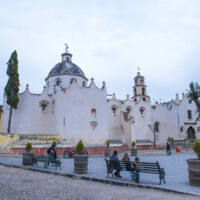
The Protective Town of San Miguel de Allende and the Sanctuary of Jesús Nazareno de Atotonilco represent exceptional examples of 18th-century Mexican Baroque architecture and cultural fusion. Established in the 16th century along the Royal Route, San…
Protective Town of San Miguel and the Sanctuary of Jesús Nazareno de Atotonilco
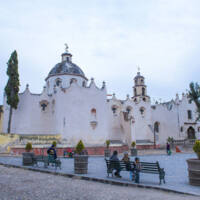
The Protective Town of San Miguel de Allende and the Sanctuary of Jesús Nazareno de Atotonilco represent exceptional examples of 18th-century Mexican Baroque architecture and cultural fusion. Established in the 16th century along the Royal Route, San…
Protective Town of San Miguel and the Sanctuary of Jesús Nazareno de Atotonilco
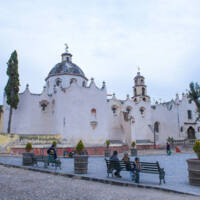
The Protective Town of San Miguel de Allende and the Sanctuary of Jesús Nazareno de Atotonilco represent exceptional examples of 18th-century Mexican Baroque architecture and cultural fusion. Established in the 16th century along the Royal Route, San…
Protective Town of San Miguel and the Sanctuary of Jesús Nazareno de Atotonilco
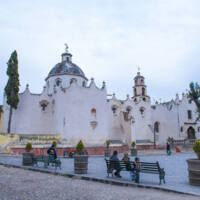
The Protective Town of San Miguel de Allende and the Sanctuary of Jesús Nazareno de Atotonilco represent exceptional examples of 18th-century Mexican Baroque architecture and cultural fusion. Established in the 16th century along the Royal Route, San…
Protective Town of San Miguel and the Sanctuary of Jesús Nazareno de Atotonilco
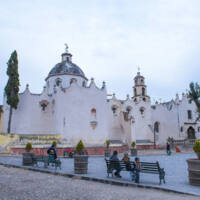
The Protective Town of San Miguel de Allende and the Sanctuary of Jesús Nazareno de Atotonilco represent exceptional examples of 18th-century Mexican Baroque architecture and cultural fusion. Established in the 16th century along the Royal Route, San…
Protective Town of San Miguel and the Sanctuary of Jesús Nazareno de Atotonilco
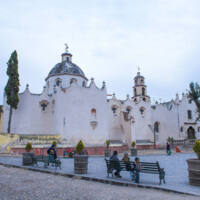
The Protective Town of San Miguel de Allende and the Sanctuary of Jesús Nazareno de Atotonilco represent exceptional examples of 18th-century Mexican Baroque architecture and cultural fusion. Established in the 16th century along the Royal Route, San…
Protective Town of San Miguel and the Sanctuary of Jesús Nazareno de Atotonilco
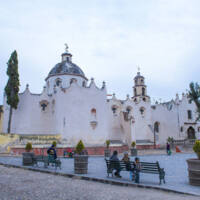
The Protective Town of San Miguel de Allende and the Sanctuary of Jesús Nazareno de Atotonilco represent exceptional examples of 18th-century Mexican Baroque architecture and cultural fusion. Established in the 16th century along the Royal Route, San…
Protective Town of San Miguel and the Sanctuary of Jesús Nazareno de Atotonilco
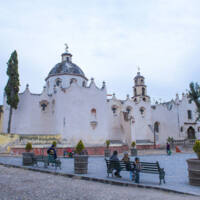
The Protective Town of San Miguel de Allende and the Sanctuary of Jesús Nazareno de Atotonilco represent exceptional examples of 18th-century Mexican Baroque architecture and cultural fusion. Established in the 16th century along the Royal Route, San…
Protective Town of San Miguel and the Sanctuary of Jesús Nazareno de Atotonilco
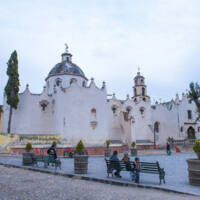
The Protective Town of San Miguel de Allende and the Sanctuary of Jesús Nazareno de Atotonilco represent exceptional examples of 18th-century Mexican Baroque architecture and cultural fusion. Established in the 16th century along the Royal Route, San…
Protective Town of San Miguel and the Sanctuary of Jesús Nazareno de Atotonilco
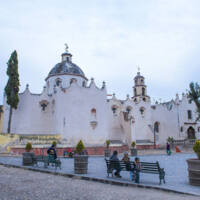
The Protective Town of San Miguel de Allende and the Sanctuary of Jesús Nazareno de Atotonilco represent exceptional examples of 18th-century Mexican Baroque architecture and cultural fusion. Established in the 16th century along the Royal Route, San…
Protective Town of San Miguel and the Sanctuary of Jesús Nazareno de Atotonilco
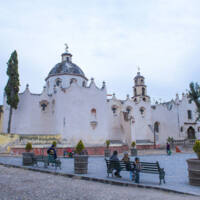
The Protective Town of San Miguel de Allende and the Sanctuary of Jesús Nazareno de Atotonilco represent exceptional examples of 18th-century Mexican Baroque architecture and cultural fusion. Established in the 16th century along the Royal Route, San…
Protective Town of San Miguel and the Sanctuary of Jesús Nazareno de Atotonilco
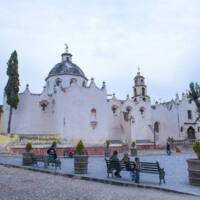
The Protective Town of San Miguel de Allende and the Sanctuary of Jesús Nazareno de Atotonilco represent exceptional examples of 18th-century Mexican Baroque architecture and cultural fusion. Established in the 16th century along the Royal Route, San…
Protective Town of San Miguel and the Sanctuary of Jesús Nazareno de Atotonilco
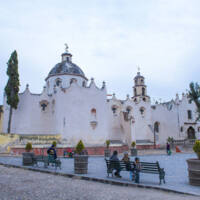
The Protective Town of San Miguel de Allende and the Sanctuary of Jesús Nazareno de Atotonilco represent exceptional examples of 18th-century Mexican Baroque architecture and cultural fusion. Established in the 16th century along the Royal Route, San…
Protective Town of San Miguel and the Sanctuary of Jesús Nazareno de Atotonilco
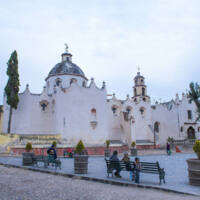
The Protective Town of San Miguel de Allende and the Sanctuary of Jesús Nazareno de Atotonilco represent exceptional examples of 18th-century Mexican Baroque architecture and cultural fusion. Established in the 16th century along the Royal Route, San…
Protective Town of San Miguel and the Sanctuary of Jesús Nazareno de Atotonilco
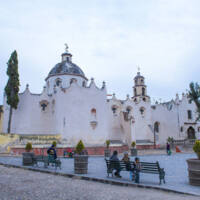
The Protective Town of San Miguel de Allende and the Sanctuary of Jesús Nazareno de Atotonilco represent exceptional examples of 18th-century Mexican Baroque architecture and cultural fusion. Established in the 16th century along the Royal Route, San…
Protective Town of San Miguel and the Sanctuary of Jesús Nazareno de Atotonilco
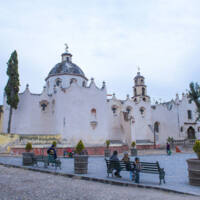
The Protective Town of San Miguel de Allende and the Sanctuary of Jesús Nazareno de Atotonilco represent exceptional examples of 18th-century Mexican Baroque architecture and cultural fusion. Established in the 16th century along the Royal Route, San…
Protective Town of San Miguel and the Sanctuary of Jesús Nazareno de Atotonilco
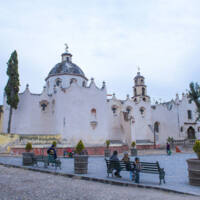
The Protective Town of San Miguel de Allende and the Sanctuary of Jesús Nazareno de Atotonilco represent exceptional examples of 18th-century Mexican Baroque architecture and cultural fusion. Established in the 16th century along the Royal Route, San…
Protective Town of San Miguel and the Sanctuary of Jesús Nazareno de Atotonilco
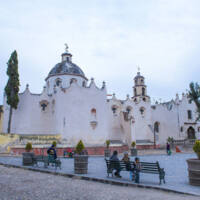
The Protective Town of San Miguel de Allende and the Sanctuary of Jesús Nazareno de Atotonilco represent exceptional examples of 18th-century Mexican Baroque architecture and cultural fusion. Established in the 16th century along the Royal Route, San…
Protective Town of San Miguel and the Sanctuary of Jesús Nazareno de Atotonilco
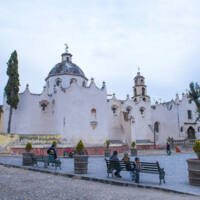
The Protective Town of San Miguel de Allende and the Sanctuary of Jesús Nazareno de Atotonilco represent exceptional examples of 18th-century Mexican Baroque architecture and cultural fusion. Established in the 16th century along the Royal Route, San…
Protective Town of San Miguel and the Sanctuary of Jesús Nazareno de Atotonilco
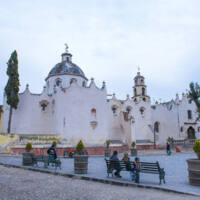
The Protective Town of San Miguel de Allende and the Sanctuary of Jesús Nazareno de Atotonilco represent exceptional examples of 18th-century Mexican Baroque architecture and cultural fusion. Established in the 16th century along the Royal Route, San…
Protective Town of San Miguel and the Sanctuary of Jesús Nazareno de Atotonilco
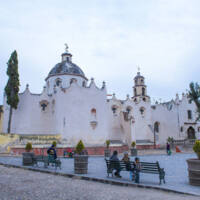
The Protective Town of San Miguel de Allende and the Sanctuary of Jesús Nazareno de Atotonilco represent exceptional examples of 18th-century Mexican Baroque architecture and cultural fusion. Established in the 16th century along the Royal Route, San…
Protective Town of San Miguel and the Sanctuary of Jesús Nazareno de Atotonilco
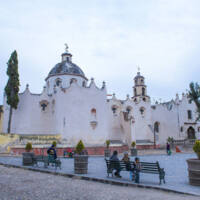
The Protective Town of San Miguel de Allende and the Sanctuary of Jesús Nazareno de Atotonilco represent exceptional examples of 18th-century Mexican Baroque architecture and cultural fusion. Established in the 16th century along the Royal Route, San…
Protective Town of San Miguel and the Sanctuary of Jesús Nazareno de Atotonilco
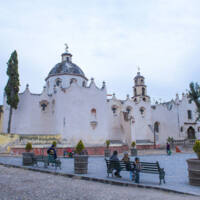
The Protective Town of San Miguel de Allende and the Sanctuary of Jesús Nazareno de Atotonilco represent exceptional examples of 18th-century Mexican Baroque architecture and cultural fusion. Established in the 16th century along the Royal Route, San…
Protective Town of San Miguel and the Sanctuary of Jesús Nazareno de Atotonilco
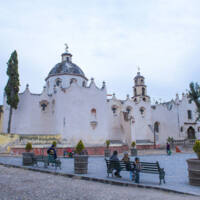
The Protective Town of San Miguel de Allende and the Sanctuary of Jesús Nazareno de Atotonilco represent exceptional examples of 18th-century Mexican Baroque architecture and cultural fusion. Established in the 16th century along the Royal Route, San…
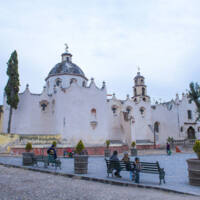
Protective Town of San Miguel and the Sanctuary of Jesús Nazareno de Atotonilco
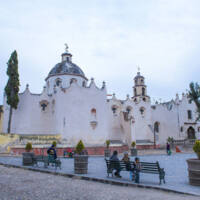
The Protective Town of San Miguel de Allende and the Sanctuary of Jesús Nazareno de Atotonilco represent exceptional examples of 18th-century Mexican Baroque architecture and cultural fusion. Established in the 16th century along the Royal Route, San…
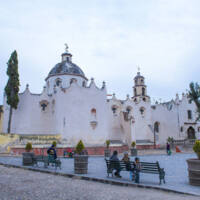
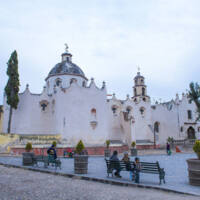
The Stonehenge
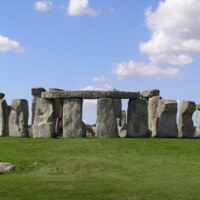
A photograph of Stonehenge, a prehistoric stone circle located in Wiltshire, England.
Image licensed under Creative Commons Attribution 2.0 by garethwiscombe.
The Stonehenge
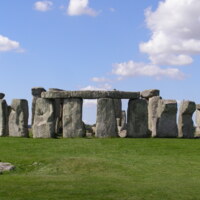
A photograph of Stonehenge, a prehistoric stone circle located in Wiltshire, England.
Image licensed under Creative Commons Attribution 2.0 by garethwiscombe.
Terracotta Army
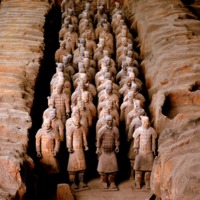
The Terracotta Army is a collection of life-sized terracotta sculptures depicting the armies of Qin Shi Huang, the first Emperor of China. Discovered in 1974 near Xi'an in Shaanxi Province, this archaeological marvel dates to 210-209 BCE and was…
Terracotta Army
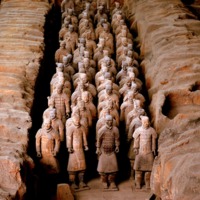
The Terracotta Army is a collection of life-sized terracotta sculptures depicting the armies of Qin Shi Huang, the first Emperor of China. Discovered in 1974 near Xi'an in Shaanxi Province, this archaeological marvel dates to 210-209 BCE and was…
Terracotta Army
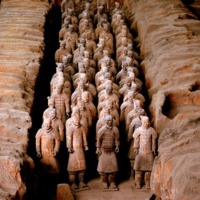
The Terracotta Army is a collection of life-sized terracotta sculptures depicting the armies of Qin Shi Huang, the first Emperor of China. Discovered in 1974 near Xi'an in Shaanxi Province, this archaeological marvel dates to 210-209 BCE and was…
Terracotta Army
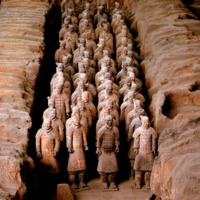
The Terracotta Army is a collection of life-sized terracotta sculptures depicting the armies of Qin Shi Huang, the first Emperor of China. Discovered in 1974 near Xi'an in Shaanxi Province, this archaeological marvel dates to 210-209 BCE and was…
Terracotta Army
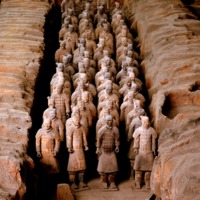
The Terracotta Army is a collection of life-sized terracotta sculptures depicting the armies of Qin Shi Huang, the first Emperor of China. Discovered in 1974 near Xi'an in Shaanxi Province, this archaeological marvel dates to 210-209 BCE and was…
Terracotta Army
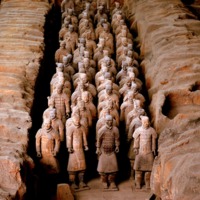
The Terracotta Army is a collection of life-sized terracotta sculptures depicting the armies of Qin Shi Huang, the first Emperor of China. Discovered in 1974 near Xi'an in Shaanxi Province, this archaeological marvel dates to 210-209 BCE and was…
Terracotta Army
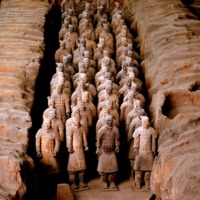
The Terracotta Army is a collection of life-sized terracotta sculptures depicting the armies of Qin Shi Huang, the first Emperor of China. Discovered in 1974 near Xi'an in Shaanxi Province, this archaeological marvel dates to 210-209 BCE and was…
Terracotta Army
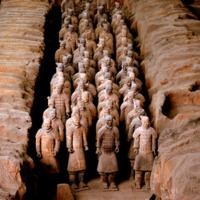
The Terracotta Army is a collection of life-sized terracotta sculptures depicting the armies of Qin Shi Huang, the first Emperor of China. Discovered in 1974 near Xi'an in Shaanxi Province, this archaeological marvel dates to 210-209 BCE and was…
Terracotta Army
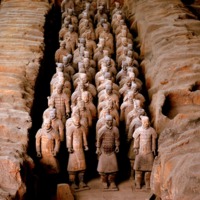
The Terracotta Army is a collection of life-sized terracotta sculptures depicting the armies of Qin Shi Huang, the first Emperor of China. Discovered in 1974 near Xi'an in Shaanxi Province, this archaeological marvel dates to 210-209 BCE and was…
Terracotta Army
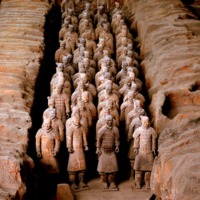
The Terracotta Army is a collection of life-sized terracotta sculptures depicting the armies of Qin Shi Huang, the first Emperor of China. Discovered in 1974 near Xi'an in Shaanxi Province, this archaeological marvel dates to 210-209 BCE and was…
Terracotta Army
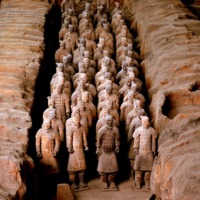
The Terracotta Army is a collection of life-sized terracotta sculptures depicting the armies of Qin Shi Huang, the first Emperor of China. Discovered in 1974 near Xi'an in Shaanxi Province, this archaeological marvel dates to 210-209 BCE and was…
Terracotta Army
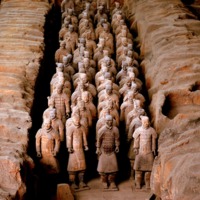
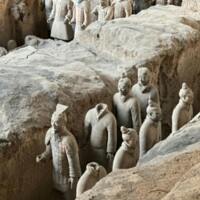
The Terracotta Army is a collection of life-sized terracotta sculptures depicting the armies of Qin Shi Huang, the first Emperor of China. Discovered in 1974 near Xi'an in Shaanxi Province, this archaeological marvel dates to 210-209 BCE and was…
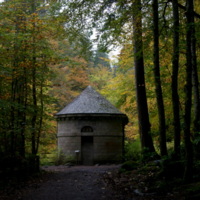
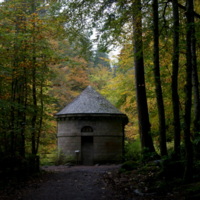
The Hermitage
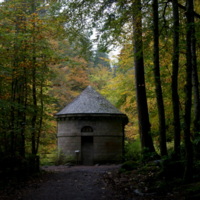
The Hermitage, located in Dunkeld, Perth and Kinross, is a National Trust for Scotland protected site nestled along the River Braan in Craigvinean Forest. Created in the 18th century by John Murray, the third Duke of Atholl, to honour the blind bard…
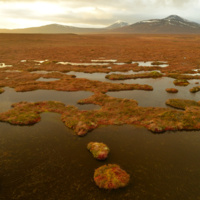
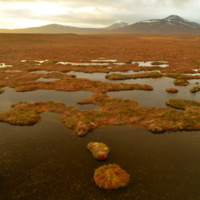
The Flow Country

The Flow Country, located in Caithness and Sutherland in northern Scotland, is the largest blanket bog in Europe, covering around 4,000 km². This expansive peatland, rich in deep peat and dotted with bog pools, is crucial in wildlife habitat and…
Yungang Grottoes
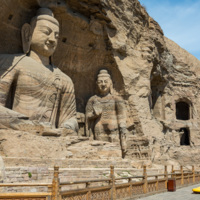
A photo of Buddha statues at the Yungang Grottoes, Datong, Shanxi, China.
Licensed under CC BY 2.0 by xiquinhosilva.
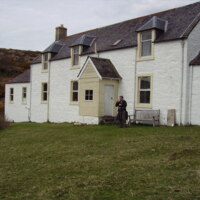
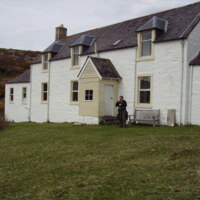
The location where George Orwell wrote 1984 on Jura Island
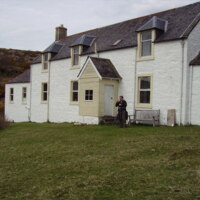
Barnhill is a farmhouse in the north of the island of Jura in the Scottish Inner Hebrides overlooking the Sound of Jura. It stands on the site of a larger 15th-century settlement, Cnoc an t-Sabhail; the English name Barnhill has been in use since the…
Front View of Dizang Hall, Jiuhua Mountain, China
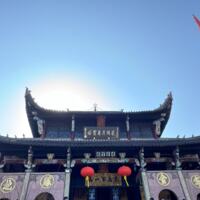
The Flesh-Body Hall (Roushen Baodian) of Jiuhua Mountain, also known as the Dizang Hall, enshrines the mummified body of the Tang Dynasty monk Kim Qiaojue, revered as the incarnation of Kṣitigarbha Bodhisattva. After practicing for 75 years at…
Front View of Dizang Hall, Jiuhua Mountain, China
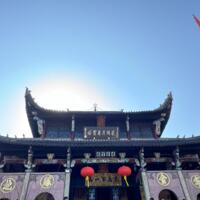
The Flesh-Body Hall (Roushen Baodian) of Jiuhua Mountain, also known as the Dizang Hall, enshrines the mummified body of the Tang Dynasty monk Kim Qiaojue, revered as the incarnation of Kṣitigarbha Bodhisattva. After practicing for 75 years at…
Jiuhua Mountain, China
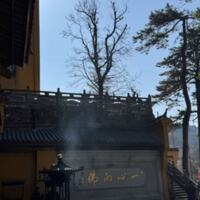
The Flesh-Body Hall (Roushen Baodian) of Jiuhua Mountain, also known as the Dizang Hall, enshrines the mummified body of the Tang Dynasty monk Kim Qiaojue, revered as the incarnation of Kṣitigarbha Bodhisattva. After practicing for 75 years at…
Dunhuang Mogao Caves
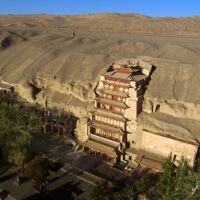
Dunhuang Mogao Caves
Dunhuang Mogao Caves
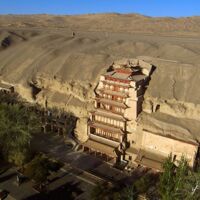
Dunhuang Mogao Caves
Dunhuang Mogao Caves
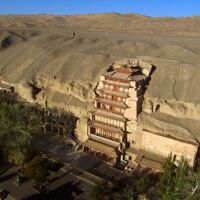
Dunhuang Mogao Caves
Dunhuang Mogao Caves2
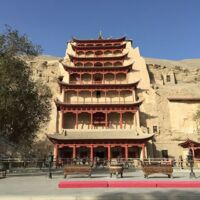
Dunhuang Mogao Caves
Dunhuang Mogao Caves2
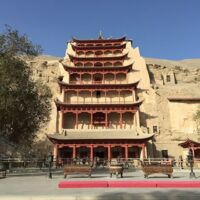
Dunhuang Mogao Caves