Browse Items (6 total)
Angkor Wat, located in the Siem Reap province of Cambodia, is one of the world's largest religious monuments and cultural heritage sites. It was…
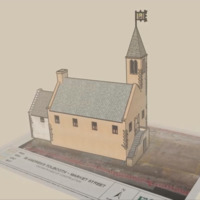 St Andrews Tolbooth - 1565
Location: Middle of Market Street. Date Built: Twelfth to nineteenth centuries. Outlined in the paving on Market Street is the location of St…
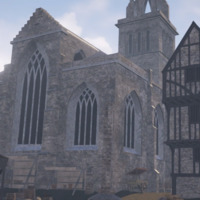 Edinburgh - St Giles Kirk c1544
Our depiction of Edinburgh and the Canongate was inspired by a drawing in the British Library made by the English military engineer Richard Lee, who…
 Dun an Sticir - Iron Age Broch
The site of Dun an Sticir on North Uist forms a reminder of how different societies adapted and reused structures over time. About 2000 years ago a…
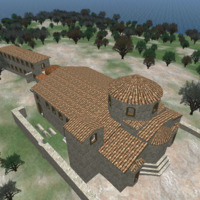 Laconia Acropolis Virtual Archaeology (LAVA) Project
The Laconia Acropolis Virtual Archaeology project (LAVA) is a cooperative archaeological learning environment developed to address the need for…
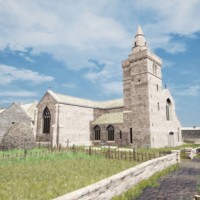 St Andrews Holy Trinity c1559
Holy Trinity Church was for many years the main place of worship for St Andrews' ordinary residents. It was built in the early fifteenth century, near…