Browse Items (4036 total)
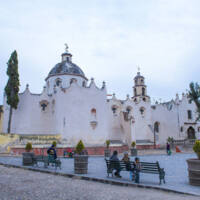 Protective Town of San Miguel and the Sanctuary of Jesús Nazareno de Atotonilco
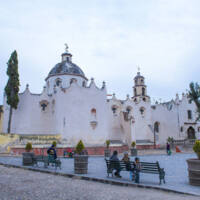 Protective Town of San Miguel and the Sanctuary of Jesús Nazareno de Atotonilco
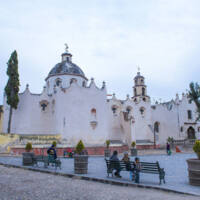 Protective Town of San Miguel and the Sanctuary of Jesús Nazareno de Atotonilco
The Protective Town of San Miguel de Allende and the Sanctuary of Jesús Nazareno de Atotonilco represent exceptional examples of 18th-century Mexican…
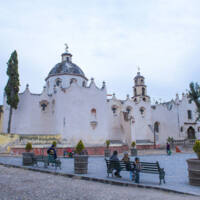 Protective Town of San Miguel and the Sanctuary of Jesús Nazareno de Atotonilco
The Protective Town of San Miguel de Allende and the Sanctuary of Jesús Nazareno de Atotonilco represent exceptional examples of 18th-century Mexican…
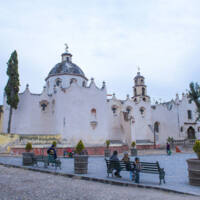 Protective Town of San Miguel and the Sanctuary of Jesús Nazareno de Atotonilco
The Protective Town of San Miguel de Allende and the Sanctuary of Jesús Nazareno de Atotonilco represent exceptional examples of 18th-century Mexican…
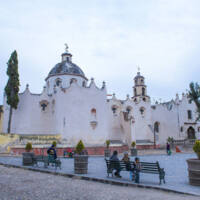 Protective Town of San Miguel and the Sanctuary of Jesús Nazareno de Atotonilco
The Protective Town of San Miguel de Allende and the Sanctuary of Jesús Nazareno de Atotonilco represent exceptional examples of 18th-century Mexican…
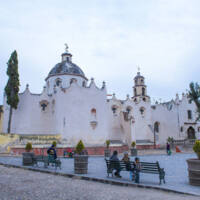 Protective Town of San Miguel and the Sanctuary of Jesús Nazareno de Atotonilco
The Protective Town of San Miguel de Allende and the Sanctuary of Jesús Nazareno de Atotonilco represent exceptional examples of 18th-century Mexican…
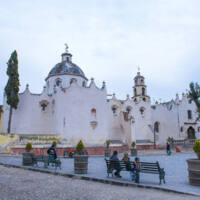 Protective Town of San Miguel and the Sanctuary of Jesús Nazareno de Atotonilco
The Protective Town of San Miguel de Allende and the Sanctuary of Jesús Nazareno de Atotonilco represent exceptional examples of 18th-century Mexican…
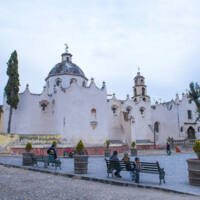 Protective Town of San Miguel and the Sanctuary of Jesús Nazareno de Atotonilco
The Protective Town of San Miguel de Allende and the Sanctuary of Jesús Nazareno de Atotonilco represent exceptional examples of 18th-century Mexican…
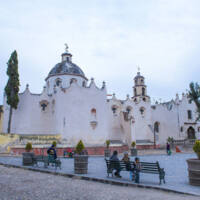 Protective Town of San Miguel and the Sanctuary of Jesús Nazareno de Atotonilco
The Protective Town of San Miguel de Allende and the Sanctuary of Jesús Nazareno de Atotonilco represent exceptional examples of 18th-century Mexican…
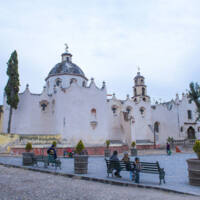 Protective Town of San Miguel and the Sanctuary of Jesús Nazareno de Atotonilco
The Protective Town of San Miguel de Allende and the Sanctuary of Jesús Nazareno de Atotonilco represent exceptional examples of 18th-century Mexican…
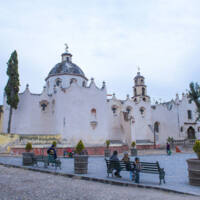 Protective Town of San Miguel and the Sanctuary of Jesús Nazareno de Atotonilco
The Protective Town of San Miguel de Allende and the Sanctuary of Jesús Nazareno de Atotonilco represent exceptional examples of 18th-century Mexican…
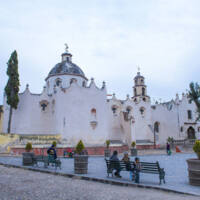 Protective Town of San Miguel and the Sanctuary of Jesús Nazareno de Atotonilco
The Protective Town of San Miguel de Allende and the Sanctuary of Jesús Nazareno de Atotonilco represent exceptional examples of 18th-century Mexican…
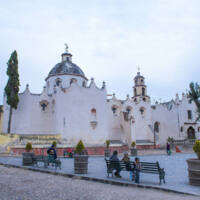 Protective Town of San Miguel and the Sanctuary of Jesús Nazareno de Atotonilco
The Protective Town of San Miguel de Allende and the Sanctuary of Jesús Nazareno de Atotonilco represent exceptional examples of 18th-century Mexican…
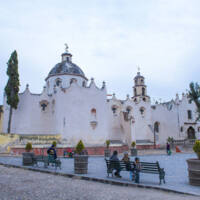 Protective Town of San Miguel and the Sanctuary of Jesús Nazareno de Atotonilco
The Protective Town of San Miguel de Allende and the Sanctuary of Jesús Nazareno de Atotonilco represent exceptional examples of 18th-century Mexican…
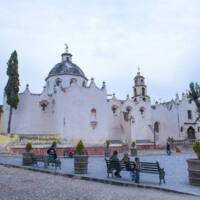 Protective Town of San Miguel and the Sanctuary of Jesús Nazareno de Atotonilco
The Protective Town of San Miguel de Allende and the Sanctuary of Jesús Nazareno de Atotonilco represent exceptional examples of 18th-century Mexican…
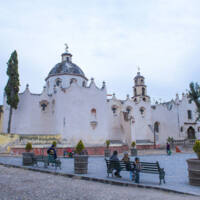 Protective Town of San Miguel and the Sanctuary of Jesús Nazareno de Atotonilco
The Protective Town of San Miguel de Allende and the Sanctuary of Jesús Nazareno de Atotonilco represent exceptional examples of 18th-century Mexican…
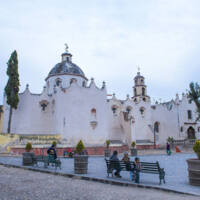 Protective Town of San Miguel and the Sanctuary of Jesús Nazareno de Atotonilco
The Protective Town of San Miguel de Allende and the Sanctuary of Jesús Nazareno de Atotonilco represent exceptional examples of 18th-century Mexican…
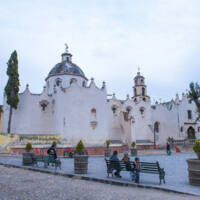 Protective Town of San Miguel and the Sanctuary of Jesús Nazareno de Atotonilco
The Protective Town of San Miguel de Allende and the Sanctuary of Jesús Nazareno de Atotonilco represent exceptional examples of 18th-century Mexican…
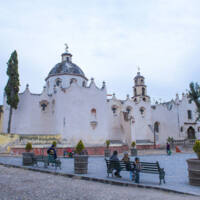 Protective Town of San Miguel and the Sanctuary of Jesús Nazareno de Atotonilco
The Protective Town of San Miguel de Allende and the Sanctuary of Jesús Nazareno de Atotonilco represent exceptional examples of 18th-century Mexican…
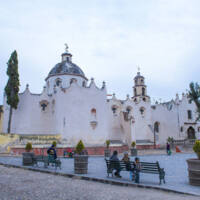 Protective Town of San Miguel and the Sanctuary of Jesús Nazareno de Atotonilco
The Protective Town of San Miguel de Allende and the Sanctuary of Jesús Nazareno de Atotonilco represent exceptional examples of 18th-century Mexican…
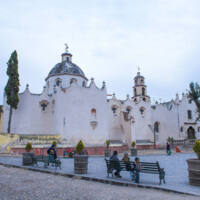 Protective Town of San Miguel and the Sanctuary of Jesús Nazareno de Atotonilco
The Protective Town of San Miguel de Allende and the Sanctuary of Jesús Nazareno de Atotonilco represent exceptional examples of 18th-century Mexican…
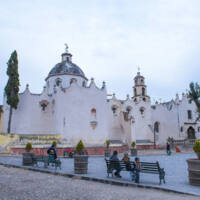 Protective Town of San Miguel and the Sanctuary of Jesús Nazareno de Atotonilco
The Protective Town of San Miguel de Allende and the Sanctuary of Jesús Nazareno de Atotonilco represent exceptional examples of 18th-century Mexican…
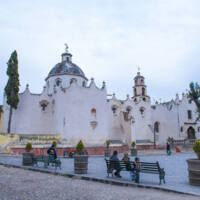 Protective Town of San Miguel and the Sanctuary of Jesús Nazareno de Atotonilco
The Protective Town of San Miguel de Allende and the Sanctuary of Jesús Nazareno de Atotonilco represent exceptional examples of 18th-century Mexican…
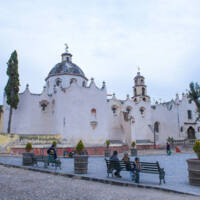 Protective Town of San Miguel and the Sanctuary of Jesús Nazareno de Atotonilco
The Protective Town of San Miguel de Allende and the Sanctuary of Jesús Nazareno de Atotonilco represent exceptional examples of 18th-century Mexican…
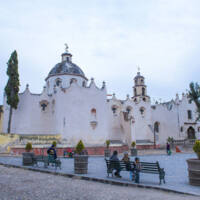 Protective Town of San Miguel and the Sanctuary of Jesús Nazareno de Atotonilco
The Protective Town of San Miguel de Allende and the Sanctuary of Jesús Nazareno de Atotonilco represent exceptional examples of 18th-century Mexican…
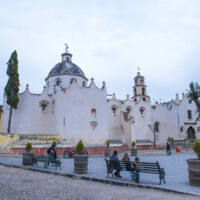 Protective Town of San Miguel and the Sanctuary of Jesús Nazareno de Atotonilco
The Protective Town of San Miguel de Allende and the Sanctuary of Jesús Nazareno de Atotonilco represent exceptional examples of 18th-century Mexican…
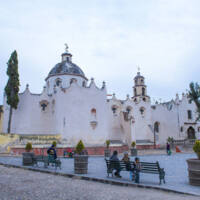 Protective Town of San Miguel and the Sanctuary of Jesús Nazareno de Atotonilco
The Protective Town of San Miguel de Allende and the Sanctuary of Jesús Nazareno de Atotonilco represent exceptional examples of 18th-century Mexican…
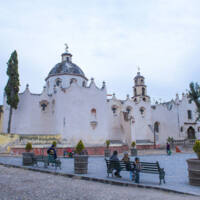 Protective Town of San Miguel and the Sanctuary of Jesús Nazareno de Atotonilco
The Protective Town of San Miguel de Allende and the Sanctuary of Jesús Nazareno de Atotonilco represent exceptional examples of 18th-century Mexican…
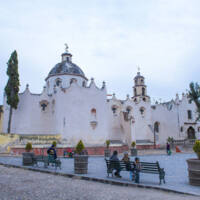 Protective Town of San Miguel and the Sanctuary of Jesús Nazareno de Atotonilco
The Protective Town of San Miguel de Allende and the Sanctuary of Jesús Nazareno de Atotonilco represent exceptional examples of 18th-century Mexican…
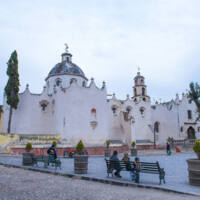 Protective Town of San Miguel and the Sanctuary of Jesús Nazareno de Atotonilco
The Protective Town of San Miguel de Allende and the Sanctuary of Jesús Nazareno de Atotonilco represent exceptional examples of 18th-century Mexican…
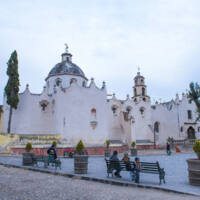 Protective Town of San Miguel and the Sanctuary of Jesús Nazareno de Atotonilco
The Protective Town of San Miguel de Allende and the Sanctuary of Jesús Nazareno de Atotonilco represent exceptional examples of 18th-century Mexican…
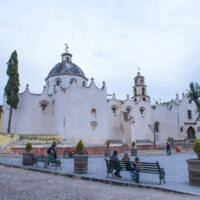 Protective Town of San Miguel and the Sanctuary of Jesús Nazareno de Atotonilco
The Protective Town of San Miguel de Allende and the Sanctuary of Jesús Nazareno de Atotonilco represent exceptional examples of 18th-century Mexican…
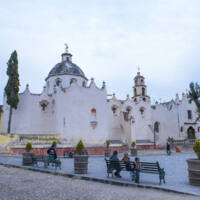 Protective Town of San Miguel and the Sanctuary of Jesús Nazareno de Atotonilco
The Protective Town of San Miguel de Allende and the Sanctuary of Jesús Nazareno de Atotonilco represent exceptional examples of 18th-century Mexican…
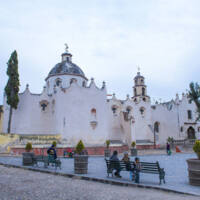 Protective Town of San Miguel and the Sanctuary of Jesús Nazareno de Atotonilco
The Protective Town of San Miguel de Allende and the Sanctuary of Jesús Nazareno de Atotonilco represent exceptional examples of 18th-century Mexican…
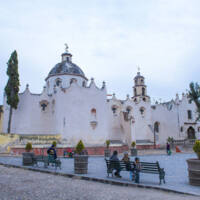 Protective Town of San Miguel and the Sanctuary of Jesús Nazareno de Atotonilco
The Protective Town of San Miguel de Allende and the Sanctuary of Jesús Nazareno de Atotonilco represent exceptional examples of 18th-century Mexican…
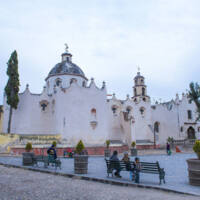 Protective Town of San Miguel and the Sanctuary of Jesús Nazareno de Atotonilco
The Protective Town of San Miguel de Allende and the Sanctuary of Jesús Nazareno de Atotonilco represent exceptional examples of 18th-century Mexican…
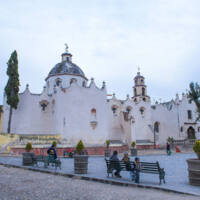 Protective Town of San Miguel and the Sanctuary of Jesús Nazareno de Atotonilco
The Protective Town of San Miguel de Allende and the Sanctuary of Jesús Nazareno de Atotonilco represent exceptional examples of 18th-century Mexican…
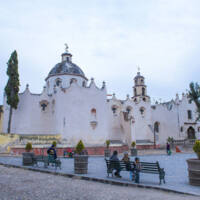 Protective Town of San Miguel and the Sanctuary of Jesús Nazareno de Atotonilco
The Protective Town of San Miguel de Allende and the Sanctuary of Jesús Nazareno de Atotonilco represent exceptional examples of 18th-century Mexican…
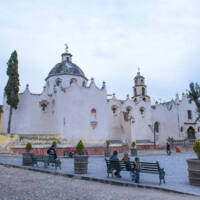 Protective Town of San Miguel and the Sanctuary of Jesús Nazareno de Atotonilco
The Protective Town of San Miguel de Allende and the Sanctuary of Jesús Nazareno de Atotonilco represent exceptional examples of 18th-century Mexican…
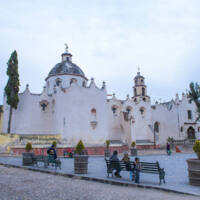 Protective Town of San Miguel and the Sanctuary of Jesús Nazareno de Atotonilco
The Protective Town of San Miguel de Allende and the Sanctuary of Jesús Nazareno de Atotonilco represent exceptional examples of 18th-century Mexican…
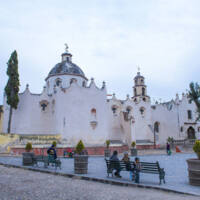 Protective Town of San Miguel and the Sanctuary of Jesús Nazareno de Atotonilco
The Protective Town of San Miguel de Allende and the Sanctuary of Jesús Nazareno de Atotonilco represent exceptional examples of 18th-century Mexican…
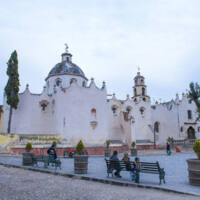 Protective Town of San Miguel and the Sanctuary of Jesús Nazareno de Atotonilco
The Protective Town of San Miguel de Allende and the Sanctuary of Jesús Nazareno de Atotonilco represent exceptional examples of 18th-century Mexican…
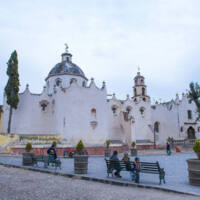 Protective Town of San Miguel and the Sanctuary of Jesús Nazareno de Atotonilco
The Protective Town of San Miguel de Allende and the Sanctuary of Jesús Nazareno de Atotonilco represent exceptional examples of 18th-century Mexican…
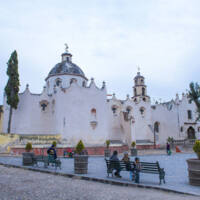 Protective Town of San Miguel and the Sanctuary of Jesús Nazareno de Atotonilco
The Protective Town of San Miguel de Allende and the Sanctuary of Jesús Nazareno de Atotonilco represent exceptional examples of 18th-century Mexican…
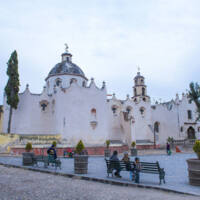 Protective Town of San Miguel and the Sanctuary of Jesús Nazareno de Atotonilco
The Protective Town of San Miguel de Allende and the Sanctuary of Jesús Nazareno de Atotonilco represent exceptional examples of 18th-century Mexican…
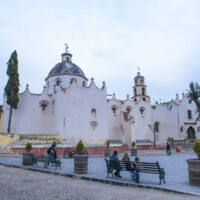 Protective Town of San Miguel and the Sanctuary of Jesús Nazareno de Atotonilco
The Protective Town of San Miguel de Allende and the Sanctuary of Jesús Nazareno de Atotonilco represent exceptional examples of 18th-century Mexican…
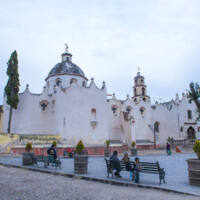 Protective Town of San Miguel and the Sanctuary of Jesús Nazareno de Atotonilco
The Protective Town of San Miguel de Allende and the Sanctuary of Jesús Nazareno de Atotonilco represent exceptional examples of 18th-century Mexican…
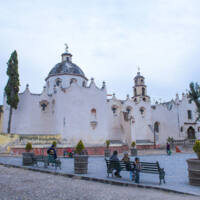 Protective Town of San Miguel and the Sanctuary of Jesús Nazareno de Atotonilco
The Protective Town of San Miguel de Allende and the Sanctuary of Jesús Nazareno de Atotonilco represent exceptional examples of 18th-century Mexican…
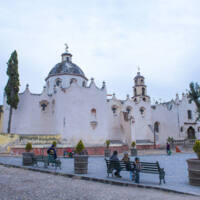 Protective Town of San Miguel and the Sanctuary of Jesús Nazareno de Atotonilco
The Protective Town of San Miguel de Allende and the Sanctuary of Jesús Nazareno de Atotonilco represent exceptional examples of 18th-century Mexican…
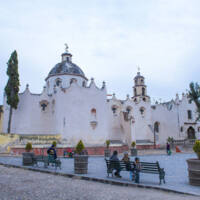 Protective Town of San Miguel and the Sanctuary of Jesús Nazareno de Atotonilco
The Protective Town of San Miguel de Allende and the Sanctuary of Jesús Nazareno de Atotonilco represent exceptional examples of 18th-century Mexican…
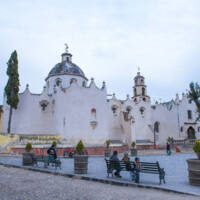 Protective Town of San Miguel and the Sanctuary of Jesús Nazareno de Atotonilco
The Protective Town of San Miguel de Allende and the Sanctuary of Jesús Nazareno de Atotonilco represent exceptional examples of 18th-century Mexican…
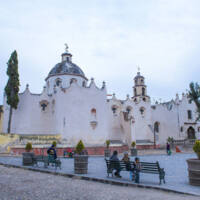 Protective Town of San Miguel and the Sanctuary of Jesús Nazareno de Atotonilco
The Protective Town of San Miguel de Allende and the Sanctuary of Jesús Nazareno de Atotonilco represent exceptional examples of 18th-century Mexican…
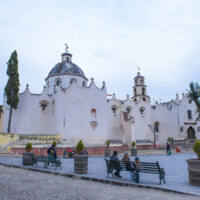 Protective Town of San Miguel and the Sanctuary of Jesús Nazareno de Atotonilco
The Protective Town of San Miguel de Allende and the Sanctuary of Jesús Nazareno de Atotonilco represent exceptional examples of 18th-century Mexican…
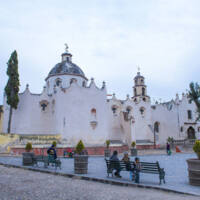 Protective Town of San Miguel and the Sanctuary of Jesús Nazareno de Atotonilco
The Protective Town of San Miguel de Allende and the Sanctuary of Jesús Nazareno de Atotonilco represent exceptional examples of 18th-century Mexican…
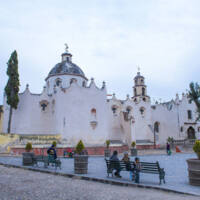 Protective Town of San Miguel and the Sanctuary of Jesús Nazareno de Atotonilco
The Protective Town of San Miguel de Allende and the Sanctuary of Jesús Nazareno de Atotonilco represent exceptional examples of 18th-century Mexican…
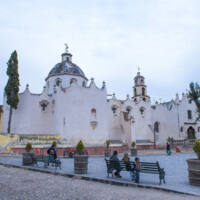 Protective Town of San Miguel and the Sanctuary of Jesús Nazareno de Atotonilco
The Protective Town of San Miguel de Allende and the Sanctuary of Jesús Nazareno de Atotonilco represent exceptional examples of 18th-century Mexican…
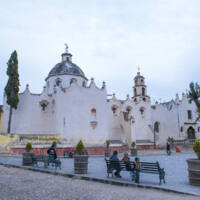 Protective Town of San Miguel and the Sanctuary of Jesús Nazareno de Atotonilco
The Protective Town of San Miguel de Allende and the Sanctuary of Jesús Nazareno de Atotonilco represent exceptional examples of 18th-century Mexican…
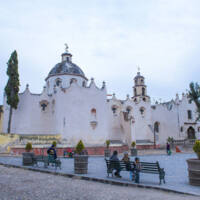 Protective Town of San Miguel and the Sanctuary of Jesús Nazareno de Atotonilco
The Protective Town of San Miguel de Allende and the Sanctuary of Jesús Nazareno de Atotonilco represent exceptional examples of 18th-century Mexican…
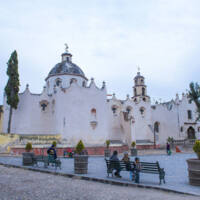 Protective Town of San Miguel and the Sanctuary of Jesús Nazareno de Atotonilco
The Protective Town of San Miguel de Allende and the Sanctuary of Jesús Nazareno de Atotonilco represent exceptional examples of 18th-century Mexican…
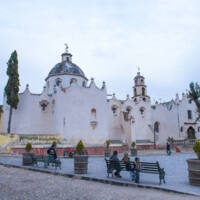 Protective Town of San Miguel and the Sanctuary of Jesús Nazareno de Atotonilco
The Protective Town of San Miguel de Allende and the Sanctuary of Jesús Nazareno de Atotonilco represent exceptional examples of 18th-century Mexican…
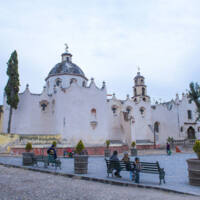 Protective Town of San Miguel and the Sanctuary of Jesús Nazareno de Atotonilco
The Protective Town of San Miguel de Allende and the Sanctuary of Jesús Nazareno de Atotonilco represent exceptional examples of 18th-century Mexican…
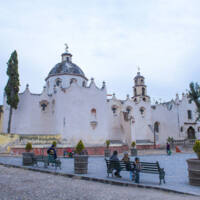 Protective Town of San Miguel and the Sanctuary of Jesús Nazareno de Atotonilco
The Protective Town of San Miguel de Allende and the Sanctuary of Jesús Nazareno de Atotonilco represent exceptional examples of 18th-century Mexican…
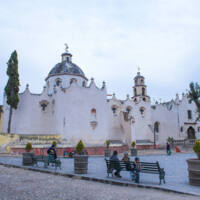 Protective Town of San Miguel and the Sanctuary of Jesús Nazareno de Atotonilco
The Protective Town of San Miguel de Allende and the Sanctuary of Jesús Nazareno de Atotonilco represent exceptional examples of 18th-century Mexican…
 Baa Atoll Biosphere Reserve
The Baa Atoll Biosphere Reserve is located in the central western Maldives in the Indian Ocean, north of the Kashidhoo Kandhoo channel. Designated as…
 pexels-katie-cerami-110690626-11807182-6.jpg
The Baa Atoll Biosphere Reserve is located in the central western Maldives in the Indian Ocean, north of the Kashidhoo Kandhoo channel. Designated as…
 pexels-katie-cerami-110690626-11807182-5.jpg
The Baa Atoll Biosphere Reserve is located in the central western Maldives in the Indian Ocean, north of the Kashidhoo Kandhoo channel. Designated as…
 pexels-katie-cerami-110690626-11807182-4.jpg
The Baa Atoll Biosphere Reserve is located in the central western Maldives in the Indian Ocean, north of the Kashidhoo Kandhoo channel. Designated as…
 pexels-katie-cerami-110690626-11807182-3.jpg
The Baa Atoll Biosphere Reserve is located in the central western Maldives in the Indian Ocean, north of the Kashidhoo Kandhoo channel. Designated as…
 pexels-katie-cerami-110690626-11807182-2.jpg
The Baa Atoll Biosphere Reserve is located in the central western Maldives in the Indian Ocean, north of the Kashidhoo Kandhoo channel. Designated as…
 pexels-katie-cerami-110690626-11807182-1.jpg
The Baa Atoll Biosphere Reserve is located in the central western Maldives in the Indian Ocean, north of the Kashidhoo Kandhoo channel. Designated as…
 pexels-katie-cerami-110690626-11807182.jpg
The Baa Atoll Biosphere Reserve is located in the central western Maldives in the Indian Ocean, north of the Kashidhoo Kandhoo channel. Designated as…
The Terracotta Army is a collection of life-sized terracotta sculptures depicting the armies of Qin Shi Huang, the first Emperor of China. Discovered…
The Terracotta Army is a collection of life-sized terracotta sculptures depicting the armies of Qin Shi Huang, the first Emperor of China. Discovered…
The Terracotta Army is a collection of life-sized terracotta sculptures depicting the armies of Qin Shi Huang, the first Emperor of China. Discovered…
The Terracotta Army is a collection of life-sized terracotta sculptures depicting the armies of Qin Shi Huang, the first Emperor of China. Discovered…
The Terracotta Army is a collection of life-sized terracotta sculptures depicting the armies of Qin Shi Huang, the first Emperor of China. Discovered…
The Terracotta Army is a collection of life-sized terracotta sculptures depicting the armies of Qin Shi Huang, the first Emperor of China. Discovered…
The Terracotta Army is a collection of life-sized terracotta sculptures depicting the armies of Qin Shi Huang, the first Emperor of China. Discovered…
The Terracotta Army is a collection of life-sized terracotta sculptures depicting the armies of Qin Shi Huang, the first Emperor of China. Discovered…
The Terracotta Army is a collection of life-sized terracotta sculptures depicting the armies of Qin Shi Huang, the first Emperor of China. Discovered…
The Terracotta Army is a collection of life-sized terracotta sculptures depicting the armies of Qin Shi Huang, the first Emperor of China. Discovered…
The Terracotta Army is a collection of life-sized terracotta sculptures depicting the armies of Qin Shi Huang, the first Emperor of China. Discovered…
The Terracotta Army is a collection of life-sized terracotta sculptures depicting the armies of Qin Shi Huang, the first Emperor of China. Discovered…
The Terracotta Army is a collection of life-sized terracotta sculptures depicting the armies of Qin Shi Huang, the first Emperor of China. Discovered…
The Terracotta Army is a collection of life-sized terracotta sculptures depicting the armies of Qin Shi Huang, the first Emperor of China. Discovered…
The Terracotta Army is a collection of life-sized terracotta sculptures depicting the armies of Qin Shi Huang, the first Emperor of China. Discovered…
The Terracotta Army is a collection of life-sized terracotta sculptures depicting the armies of Qin Shi Huang, the first Emperor of China. Discovered…
The Terracotta Army is a collection of life-sized terracotta sculptures depicting the armies of Qin Shi Huang, the first Emperor of China. Discovered…
The Terracotta Army is a collection of life-sized terracotta sculptures depicting the armies of Qin Shi Huang, the first Emperor of China. Discovered…
The Terracotta Army is a collection of life-sized terracotta sculptures depicting the armies of Qin Shi Huang, the first Emperor of China. Discovered…
The Terracotta Army is a collection of life-sized terracotta sculptures depicting the armies of Qin Shi Huang, the first Emperor of China. Discovered…
The Terracotta Army is a collection of life-sized terracotta sculptures depicting the armies of Qin Shi Huang, the first Emperor of China. Discovered…
The Terracotta Army is a collection of life-sized terracotta sculptures depicting the armies of Qin Shi Huang, the first Emperor of China. Discovered…
The Terracotta Army is a collection of life-sized terracotta sculptures depicting the armies of Qin Shi Huang, the first Emperor of China. Discovered…
The Terracotta Army is a collection of life-sized terracotta sculptures depicting the armies of Qin Shi Huang, the first Emperor of China. Discovered…
The Terracotta Army is a collection of life-sized terracotta sculptures depicting the armies of Qin Shi Huang, the first Emperor of China. Discovered…
The Terracotta Army is a collection of life-sized terracotta sculptures depicting the armies of Qin Shi Huang, the first Emperor of China. Discovered…
The Terracotta Army is a collection of life-sized terracotta sculptures depicting the armies of Qin Shi Huang, the first Emperor of China. Discovered…
The Terracotta Army is a collection of life-sized terracotta sculptures depicting the armies of Qin Shi Huang, the first Emperor of China. Discovered…