Browse Items (4036 total)
 Plans
Plans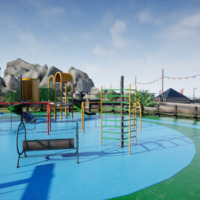 Playground
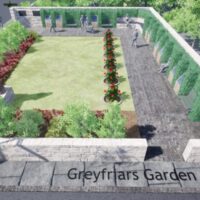 Poets Neuk 1
3D Visualisation of planned Poets Neuk Garden.
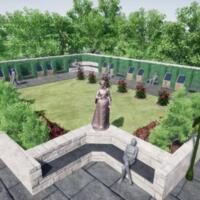 Poets Neuk 2
3D Visualisation of planned Poets Neuk Garden.
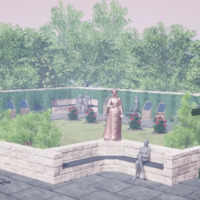 Poets’ Neuk – St Andrews
In 2018, we collaborated with Bill Borthwick from the St Andrews Preservation Trust on a virtual representation of Poets’ Neuk, Mary Queen of Scots…
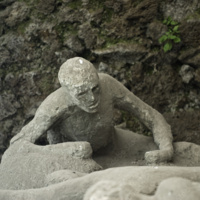 Pompeii
The ancient city of Pompeii, located in modern-day Italy, is one of the most significant archaeological sites in the world. It was buried under…
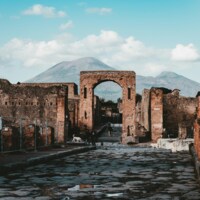 Pompeii
 Pompeii
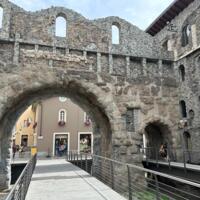 Porta Praetoria
Shot on iPhone 12 Pro
Built in 25 B.C., this monument was the main entrance to the city of Augusta Praetoria in modern-day Aosta. It has three openings, one for carriages…
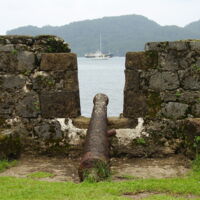 Portobelo-1.jpeg
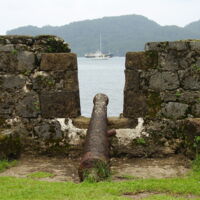 Portobelo.jpeg
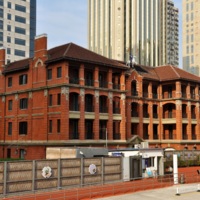 Poste de Police Joffre
Former police station on Joffre Street. Former French concession.
 Poster from Seeing the Past Exhibit
Poster for exhibit 2019. St Andrews Photography Festival.
The Potala Palace, winter palace of the Dalai Lama since the 7th century, symbolizes Tibetan Buddhism and its central role in the traditional…
 Potala palace
The Potala Palace, an awe-inspiring architectural marvel, is situated on the Red Hill in Lhasa, the capital city of Tibet. With its majestic white and…
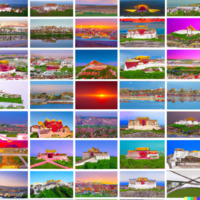 Potala Palace
The Potala Palace, an awe-inspiring architectural marvel, is situated on the Red Hill in Lhasa, the capital city of Tibet. With its majestic white and…
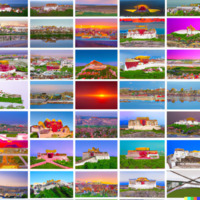 Potala palace
The Potala Palace, an awe-inspiring architectural marvel, is situated on the Red Hill in Lhasa, the capital city of Tibet. With its majestic white and…
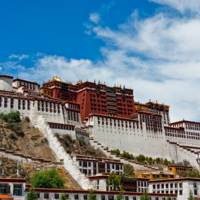 Potala Palace
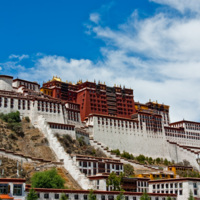 Potala Palace
Located in Lhasa, Tibet Autonomous Region of China, the Potala Palace is a palace complex of great historical, religious and cultural value. It was…
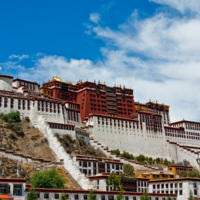 Potala Palace
Located in Lhasa, Tibet Autonomous Region of China, the Potala Palace is a palace complex of great historical, religious and cultural value. It was…
 potala_palace.jpeg
Botswana ceramics are generally made by women in the Katelen district of southeastern Botswana, figure1 shows some of the classic ceramics(. The…
Botswana ceramics are generally made by women in the Katelen district of southeastern Botswana, figure1 shows some of the classic ceramics(. The…
Botswana ceramics are generally made by women in the Katelen district of southeastern Botswana, figure1 shows some of the classic ceramics(. The…
Botswana ceramics are generally made by women in the Katelen district of southeastern Botswana, figure1 shows some of the classic ceramics(. The…
Botswana ceramics are generally made by women in the Katelen district of southeastern Botswana, figure1 shows some of the classic ceramics(. The…
Botswana ceramics are generally made by women in the Katelen district of southeastern Botswana, figure1 shows some of the classic ceramics(. The…
Botswana ceramics are generally made by women in the Katelen district of southeastern Botswana, figure1 shows some of the classic ceramics(. The…
Botswana ceramics are generally made by women in the Katelen district of southeastern Botswana, figure1 shows some of the classic ceramics(. The…
Botswana ceramics are generally made by women in the Katelen district of southeastern Botswana, figure1 shows some of the classic ceramics(. The…
Botswana ceramics are generally made by women in the Katelen district of southeastern Botswana, figure1 shows some of the classic ceramics(. The…
Botswana ceramics are generally made by women in the Katelen district of southeastern Botswana, figure1 shows some of the classic ceramics(. The…
Botswana ceramics are generally made by women in the Katelen district of southeastern Botswana, figure1 shows some of the classic ceramics(. The…
Botswana ceramics are generally made by women in the Katelen district of southeastern Botswana, figure1 shows some of the classic ceramics(. The…
 Prayers for the Dead
Architectural setting for pyayers for the dead in later Medieval Scotland.
 Prayers for the Dead
Architectural setting for pyayers for the dead in later Medieval Scotland.
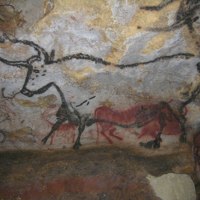 Prehistoric Sites and Decorated Caves of the Vézère Valley
Prehistoric cave painting from the Lascaux cave within the Prehistoric Sites and Decorated Caves of the Vézère Valley
The Primavera is a tempera painting created by Sandro Botticelli in 1482. It is one of the most representative artwork of the Italian Renaissance and…
 Primavera
 Primavera
The Primavera is a tempera painting created by Sandro Botticelli in 1482. It is one of the most representative artwork of the Italian Renaissance and…
 Prince Charles Edward Stuart Tartan
A variation of the Royal Stuart tartan. Tartan of the trews worn by the 72nd Regiment, Duke of Albany's Own Highlanders, 1823-1881.
Prince Gong Mansion is a first-class museum of guogaijia in China and a national AAAAAA tourist attraction. It is the largest palace complex in the…
 Prior John Bissett
Audio recording of Prof Micheal Brown (University of St Andrews) Subject: Prior John Bissett of St Andrews Cathedral
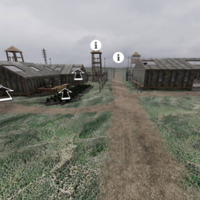 Prisoner of War Camp
Part of the CUPIDO project. This is a collaboration between the Highlanders Museum, based within Fort George near Inverness, and the School of…
The Protective Town of San Miguel de Allende and the Sanctuary of Jesús Nazareno de Atotonilco represent exceptional examples of 18th-century Mexican…
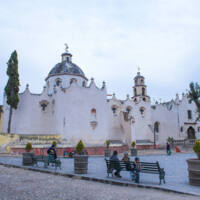 Protective Town of San Miguel and the Sanctuary of Jesús Nazareno de Atotonilco
The Protective Town of San Miguel de Allende and the Sanctuary of Jesús Nazareno de Atotonilco represent exceptional examples of 18th-century Mexican…
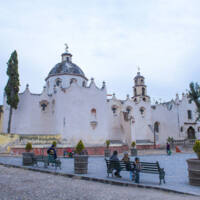 Protective Town of San Miguel and the Sanctuary of Jesús Nazareno de Atotonilco
The Protective Town of San Miguel de Allende and the Sanctuary of Jesús Nazareno de Atotonilco represent exceptional examples of 18th-century Mexican…
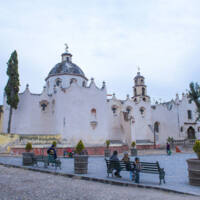 Protective Town of San Miguel and the Sanctuary of Jesús Nazareno de Atotonilco
The Protective Town of San Miguel de Allende and the Sanctuary of Jesús Nazareno de Atotonilco represent exceptional examples of 18th-century Mexican…
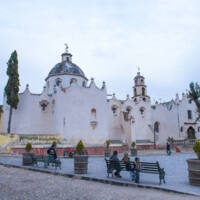 Protective Town of San Miguel and the Sanctuary of Jesús Nazareno de Atotonilco
The Protective Town of San Miguel de Allende and the Sanctuary of Jesús Nazareno de Atotonilco represent exceptional examples of 18th-century Mexican…
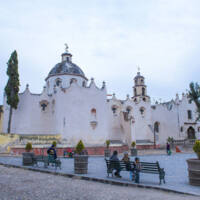 Protective Town of San Miguel and the Sanctuary of Jesús Nazareno de Atotonilco
The Protective Town of San Miguel de Allende and the Sanctuary of Jesús Nazareno de Atotonilco represent exceptional examples of 18th-century Mexican…
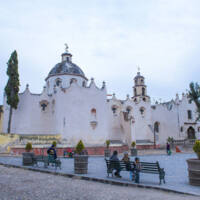 Protective Town of San Miguel and the Sanctuary of Jesús Nazareno de Atotonilco
The Protective Town of San Miguel de Allende and the Sanctuary of Jesús Nazareno de Atotonilco represent exceptional examples of 18th-century Mexican…
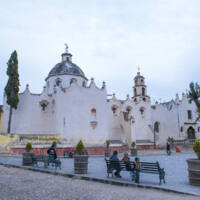 Protective Town of San Miguel and the Sanctuary of Jesús Nazareno de Atotonilco
The Protective Town of San Miguel de Allende and the Sanctuary of Jesús Nazareno de Atotonilco represent exceptional examples of 18th-century Mexican…
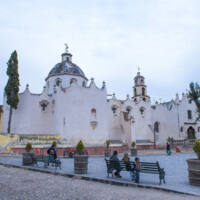 Protective Town of San Miguel and the Sanctuary of Jesús Nazareno de Atotonilco
The Protective Town of San Miguel de Allende and the Sanctuary of Jesús Nazareno de Atotonilco represent exceptional examples of 18th-century Mexican…
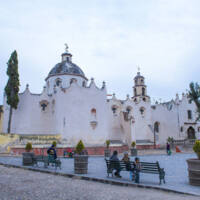 Protective Town of San Miguel and the Sanctuary of Jesús Nazareno de Atotonilco
The Protective Town of San Miguel de Allende and the Sanctuary of Jesús Nazareno de Atotonilco represent exceptional examples of 18th-century Mexican…
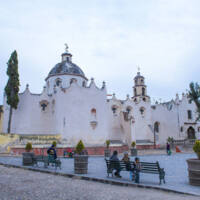 Protective Town of San Miguel and the Sanctuary of Jesús Nazareno de Atotonilco
The Protective Town of San Miguel de Allende and the Sanctuary of Jesús Nazareno de Atotonilco represent exceptional examples of 18th-century Mexican…
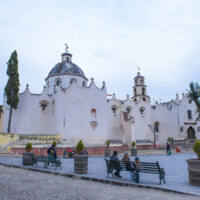 Protective Town of San Miguel and the Sanctuary of Jesús Nazareno de Atotonilco
The Protective Town of San Miguel de Allende and the Sanctuary of Jesús Nazareno de Atotonilco represent exceptional examples of 18th-century Mexican…
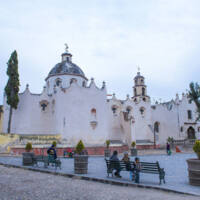 Protective Town of San Miguel and the Sanctuary of Jesús Nazareno de Atotonilco
The Protective Town of San Miguel de Allende and the Sanctuary of Jesús Nazareno de Atotonilco represent exceptional examples of 18th-century Mexican…
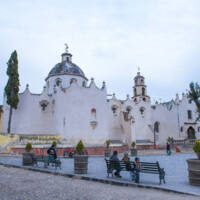 Protective Town of San Miguel and the Sanctuary of Jesús Nazareno de Atotonilco
The Protective Town of San Miguel de Allende and the Sanctuary of Jesús Nazareno de Atotonilco represent exceptional examples of 18th-century Mexican…
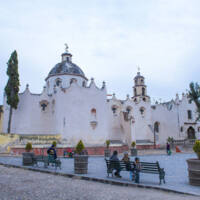 Protective Town of San Miguel and the Sanctuary of Jesús Nazareno de Atotonilco
The Protective Town of San Miguel de Allende and the Sanctuary of Jesús Nazareno de Atotonilco represent exceptional examples of 18th-century Mexican…
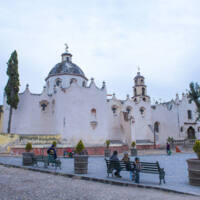 Protective Town of San Miguel and the Sanctuary of Jesús Nazareno de Atotonilco
The Protective Town of San Miguel de Allende and the Sanctuary of Jesús Nazareno de Atotonilco represent exceptional examples of 18th-century Mexican…
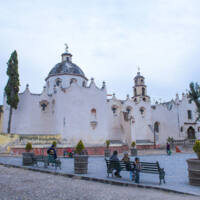 Protective Town of San Miguel and the Sanctuary of Jesús Nazareno de Atotonilco
The Protective Town of San Miguel de Allende and the Sanctuary of Jesús Nazareno de Atotonilco represent exceptional examples of 18th-century Mexican…
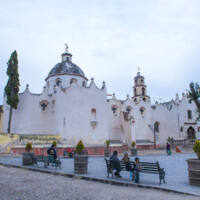 Protective Town of San Miguel and the Sanctuary of Jesús Nazareno de Atotonilco
The Protective Town of San Miguel de Allende and the Sanctuary of Jesús Nazareno de Atotonilco represent exceptional examples of 18th-century Mexican…
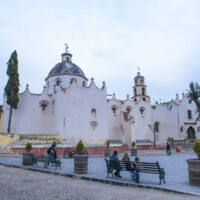 Protective Town of San Miguel and the Sanctuary of Jesús Nazareno de Atotonilco
The Protective Town of San Miguel de Allende and the Sanctuary of Jesús Nazareno de Atotonilco represent exceptional examples of 18th-century Mexican…
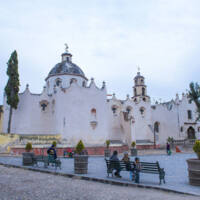 Protective Town of San Miguel and the Sanctuary of Jesús Nazareno de Atotonilco
The Protective Town of San Miguel de Allende and the Sanctuary of Jesús Nazareno de Atotonilco represent exceptional examples of 18th-century Mexican…
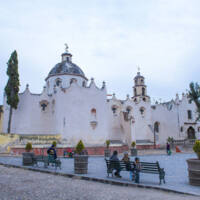 Protective Town of San Miguel and the Sanctuary of Jesús Nazareno de Atotonilco
The Protective Town of San Miguel de Allende and the Sanctuary of Jesús Nazareno de Atotonilco represent exceptional examples of 18th-century Mexican…
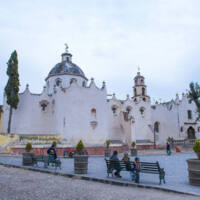 Protective Town of San Miguel and the Sanctuary of Jesús Nazareno de Atotonilco
The Protective Town of San Miguel de Allende and the Sanctuary of Jesús Nazareno de Atotonilco represent exceptional examples of 18th-century Mexican…
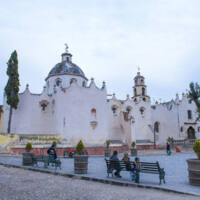 Protective Town of San Miguel and the Sanctuary of Jesús Nazareno de Atotonilco
The Protective Town of San Miguel de Allende and the Sanctuary of Jesús Nazareno de Atotonilco represent exceptional examples of 18th-century Mexican…
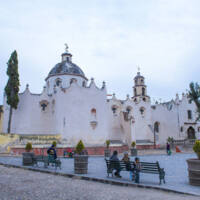 Protective Town of San Miguel and the Sanctuary of Jesús Nazareno de Atotonilco
The Protective Town of San Miguel de Allende and the Sanctuary of Jesús Nazareno de Atotonilco represent exceptional examples of 18th-century Mexican…
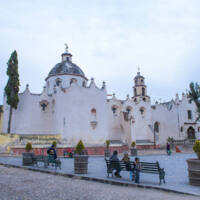 Protective Town of San Miguel and the Sanctuary of Jesús Nazareno de Atotonilco
The Protective Town of San Miguel de Allende and the Sanctuary of Jesús Nazareno de Atotonilco represent exceptional examples of 18th-century Mexican…
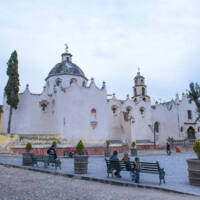 Protective Town of San Miguel and the Sanctuary of Jesús Nazareno de Atotonilco
The Protective Town of San Miguel de Allende and the Sanctuary of Jesús Nazareno de Atotonilco represent exceptional examples of 18th-century Mexican…
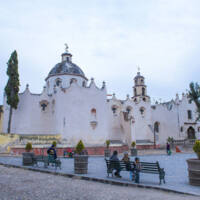 Protective Town of San Miguel and the Sanctuary of Jesús Nazareno de Atotonilco
The Protective Town of San Miguel de Allende and the Sanctuary of Jesús Nazareno de Atotonilco represent exceptional examples of 18th-century Mexican…
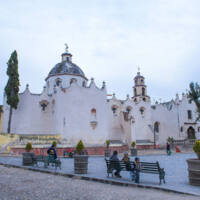 Protective Town of San Miguel and the Sanctuary of Jesús Nazareno de Atotonilco
The Protective Town of San Miguel de Allende and the Sanctuary of Jesús Nazareno de Atotonilco represent exceptional examples of 18th-century Mexican…
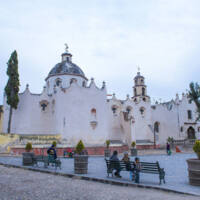 Protective Town of San Miguel and the Sanctuary of Jesús Nazareno de Atotonilco
The Protective Town of San Miguel de Allende and the Sanctuary of Jesús Nazareno de Atotonilco represent exceptional examples of 18th-century Mexican…
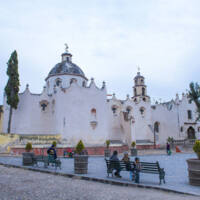 Protective Town of San Miguel and the Sanctuary of Jesús Nazareno de Atotonilco
The Protective Town of San Miguel de Allende and the Sanctuary of Jesús Nazareno de Atotonilco represent exceptional examples of 18th-century Mexican…
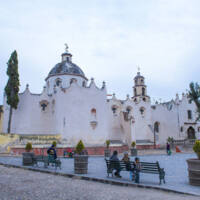 Protective Town of San Miguel and the Sanctuary of Jesús Nazareno de Atotonilco
The Protective Town of San Miguel de Allende and the Sanctuary of Jesús Nazareno de Atotonilco represent exceptional examples of 18th-century Mexican…
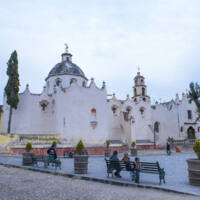 Protective Town of San Miguel and the Sanctuary of Jesús Nazareno de Atotonilco
The Protective Town of San Miguel de Allende and the Sanctuary of Jesús Nazareno de Atotonilco represent exceptional examples of 18th-century Mexican…
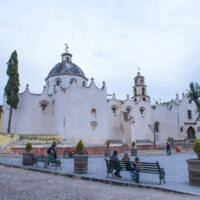 Protective Town of San Miguel and the Sanctuary of Jesús Nazareno de Atotonilco
The Protective Town of San Miguel de Allende and the Sanctuary of Jesús Nazareno de Atotonilco represent exceptional examples of 18th-century Mexican…
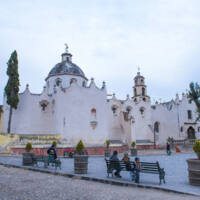 Protective Town of San Miguel and the Sanctuary of Jesús Nazareno de Atotonilco
The Protective Town of San Miguel de Allende and the Sanctuary of Jesús Nazareno de Atotonilco represent exceptional examples of 18th-century Mexican…
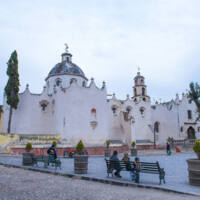 Protective Town of San Miguel and the Sanctuary of Jesús Nazareno de Atotonilco
The Protective Town of San Miguel de Allende and the Sanctuary of Jesús Nazareno de Atotonilco represent exceptional examples of 18th-century Mexican…
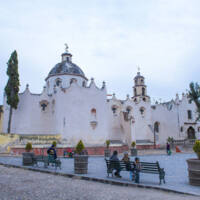 Protective Town of San Miguel and the Sanctuary of Jesús Nazareno de Atotonilco
The Protective Town of San Miguel de Allende and the Sanctuary of Jesús Nazareno de Atotonilco represent exceptional examples of 18th-century Mexican…
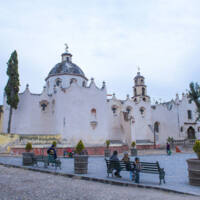 Protective Town of San Miguel and the Sanctuary of Jesús Nazareno de Atotonilco
The Protective Town of San Miguel de Allende and the Sanctuary of Jesús Nazareno de Atotonilco represent exceptional examples of 18th-century Mexican…
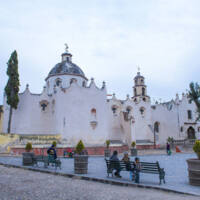 Protective Town of San Miguel and the Sanctuary of Jesús Nazareno de Atotonilco
The Protective Town of San Miguel de Allende and the Sanctuary of Jesús Nazareno de Atotonilco represent exceptional examples of 18th-century Mexican…
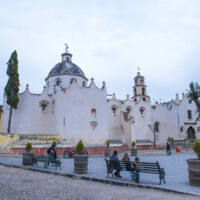 Protective Town of San Miguel and the Sanctuary of Jesús Nazareno de Atotonilco
The Protective Town of San Miguel de Allende and the Sanctuary of Jesús Nazareno de Atotonilco represent exceptional examples of 18th-century Mexican…
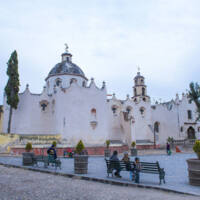 Protective Town of San Miguel and the Sanctuary of Jesús Nazareno de Atotonilco
The Protective Town of San Miguel de Allende and the Sanctuary of Jesús Nazareno de Atotonilco represent exceptional examples of 18th-century Mexican…
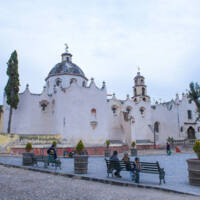 Protective Town of San Miguel and the Sanctuary of Jesús Nazareno de Atotonilco
The Protective Town of San Miguel de Allende and the Sanctuary of Jesús Nazareno de Atotonilco represent exceptional examples of 18th-century Mexican…
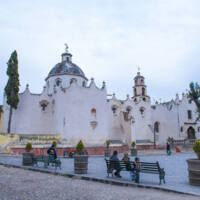 Protective Town of San Miguel and the Sanctuary of Jesús Nazareno de Atotonilco
The Protective Town of San Miguel de Allende and the Sanctuary of Jesús Nazareno de Atotonilco represent exceptional examples of 18th-century Mexican…
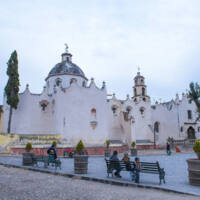 Protective Town of San Miguel and the Sanctuary of Jesús Nazareno de Atotonilco
The Protective Town of San Miguel de Allende and the Sanctuary of Jesús Nazareno de Atotonilco represent exceptional examples of 18th-century Mexican…
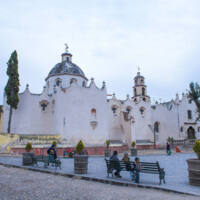 Protective Town of San Miguel and the Sanctuary of Jesús Nazareno de Atotonilco
The Protective Town of San Miguel de Allende and the Sanctuary of Jesús Nazareno de Atotonilco represent exceptional examples of 18th-century Mexican…
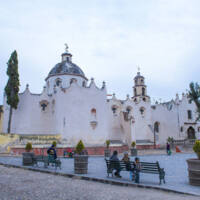 Protective Town of San Miguel and the Sanctuary of Jesús Nazareno de Atotonilco
The Protective Town of San Miguel de Allende and the Sanctuary of Jesús Nazareno de Atotonilco represent exceptional examples of 18th-century Mexican…
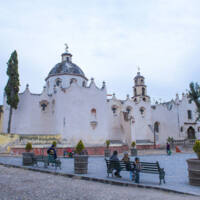 Protective Town of San Miguel and the Sanctuary of Jesús Nazareno de Atotonilco
The Protective Town of San Miguel de Allende and the Sanctuary of Jesús Nazareno de Atotonilco represent exceptional examples of 18th-century Mexican…
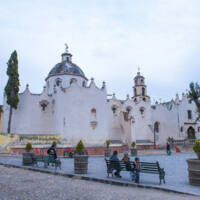 Protective Town of San Miguel and the Sanctuary of Jesús Nazareno de Atotonilco
The Protective Town of San Miguel de Allende and the Sanctuary of Jesús Nazareno de Atotonilco represent exceptional examples of 18th-century Mexican…
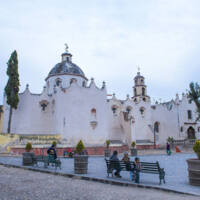 Protective Town of San Miguel and the Sanctuary of Jesús Nazareno de Atotonilco
The Protective Town of San Miguel de Allende and the Sanctuary of Jesús Nazareno de Atotonilco represent exceptional examples of 18th-century Mexican…
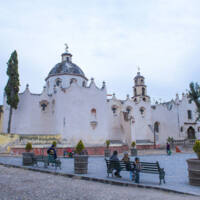 Protective Town of San Miguel and the Sanctuary of Jesús Nazareno de Atotonilco
The Protective Town of San Miguel de Allende and the Sanctuary of Jesús Nazareno de Atotonilco represent exceptional examples of 18th-century Mexican…
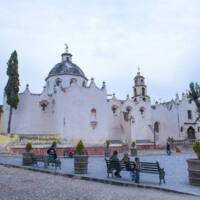 Protective Town of San Miguel and the Sanctuary of Jesús Nazareno de Atotonilco
The Protective Town of San Miguel de Allende and the Sanctuary of Jesús Nazareno de Atotonilco represent exceptional examples of 18th-century Mexican…