Browse Items (4036 total)
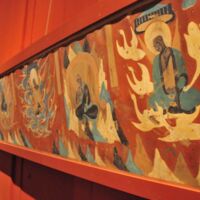 Mogao Mural
This image shows a mural exhibit from the Mogao Caves in Dunhuang, on display at the National Art Museum of China. The original mural is part of a…
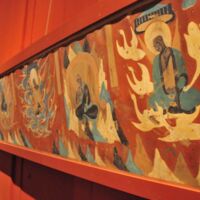 Mogao Mural
This image shows a mural exhibit from the Mogao Caves in Dunhuang, on display at the National Art Museum of China. The original mural is part of a…
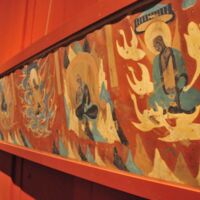 Mogao Mural
This image shows a mural exhibit from the Mogao Caves in Dunhuang, on display at the National Art Museum of China. The original mural is part of a…
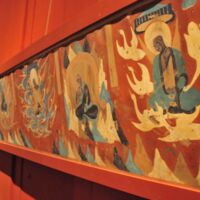 Mogao Mural
This image shows a mural exhibit from the Mogao Caves in Dunhuang, on display at the National Art Museum of China. The original mural is part of a…
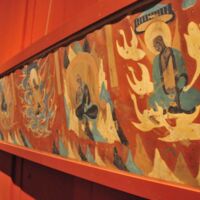 Mogao Mural
This image shows a mural exhibit from the Mogao Caves in Dunhuang, on display at the National Art Museum of China. The original mural is part of a…
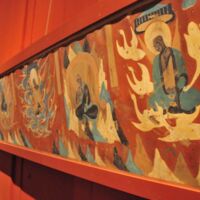 Mogao Mural
This image shows a mural exhibit from the Mogao Caves in Dunhuang, on display at the National Art Museum of China. The original mural is part of a…
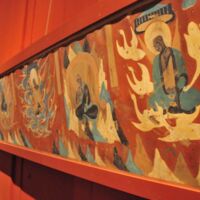 Mogao Mural
This image shows a mural exhibit from the Mogao Caves in Dunhuang, on display at the National Art Museum of China. The original mural is part of a…
Tang Dynasty mural painting techniques represent one of the highest achievements of ancient Chinese art. Originating during the 7th to 9th centuries,…
Tang Dynasty mural painting techniques represent one of the highest achievements of ancient Chinese art. Originating during the 7th to 9th centuries,…
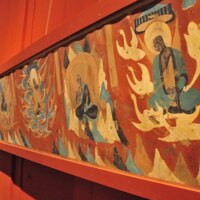 Mogao Mural
This image shows a mural exhibit from the Mogao Caves in Dunhuang, on display at the National Art Museum of China. The original mural is part of a…
Tang Dynasty mural painting techniques represent one of the highest achievements of ancient Chinese art. Originating during the 7th to 9th centuries,…
Tang Dynasty mural painting techniques represent one of the highest achievements of ancient Chinese art. Originating during the 7th to 9th centuries,…
This mural is a replica exhibit based on the original Buddhist wall paintings found in the Mogao Caves, also known as the Thousand Buddha Grottoes,…
Tang Dynasty mural painting techniques represent one of the highest achievements of ancient Chinese art. Originating during the 7th to 9th centuries,…
Tang Dynasty mural painting techniques represent one of the highest achievements of ancient Chinese art. Originating during the 7th to 9th centuries,…
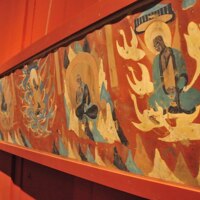 Mogao Mural
This image shows a mural exhibit from the Mogao Caves in Dunhuang, on display at the National Art Museum of China. The original mural is part of a…
Tang Dynasty mural painting techniques represent one of the highest achievements of ancient Chinese art. Originating during the 7th to 9th centuries,…
Tang Dynasty mural painting techniques represent one of the highest achievements of ancient Chinese art. Originating during the 7th to 9th centuries,…
 Exterior view of the Palace Museum (Forbidden City)
The exterior shots of the Meridian Gate of the Palace Museum reflect the magnificent architecture and royal grandeur of the Palace Museum, which is a…
 Exterior view of the Palace Museum (Forbidden City)
The exterior shots of the Meridian Gate of the Palace Museum reflect the magnificent architecture and royal grandeur of the Palace Museum, which is a…
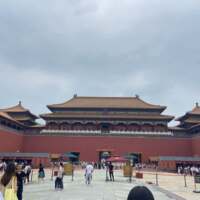
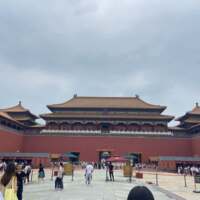 The Palace Museum
The main entrance to the Palace Museum in Beijing, China.
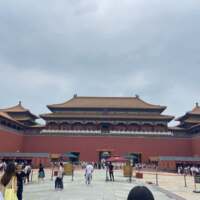
 The Palace Museum
The main entrance to the Palace Museum in Beijing, China.
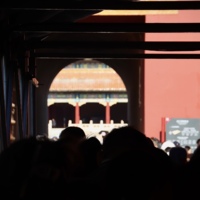
 The Palace Museum
The main entrance to the Palace Museum in Beijing, China.
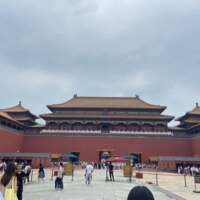
 The Palace Museum (Forbidden City)
Located in the center of Beijing, China, the Palace Museum was built in 1420. It was the royal palace of the Ming and Qing dynasties and the largest…
 The _Palace _Museum_
The Palace Museum, located in the center of Beijing, China, is the imperial palace of the Ming and Qing dynasties in China. It is now the largest and…
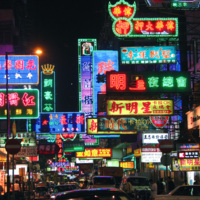 Night view of a street adorned with neon signs in Hong Kong
The use of neon signs as an advertising method for shops increased post-war in the 1950s, alongside a boom in incoming migration and setting up of…
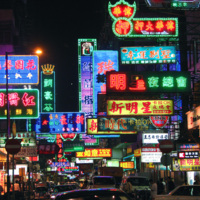 HK Portland Street Night
Neon signs adorn a street (Portland Street) in Hong Kong
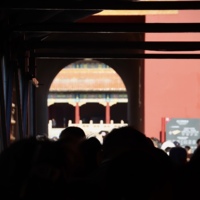 The Palace Museum (Forbidden City)
The Palace Museum is located in the center of Beijing, China. It was built in 1420. It is the royal palace of the emperors of the Ming and Qing…
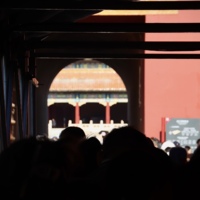 The Palace Museum (Forbidden City)
The Palace Museum is located in the center of Beijing, China. It was built in 1420. It is the royal palace of the emperors of the Ming and Qing…
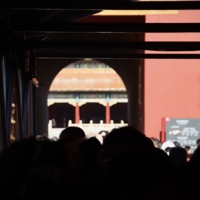 The Palace Museum (Forbidden City)
The Palace Museum is located in the center of Beijing, China. It was built in 1420. It is the royal palace of the emperors of the Ming and Qing…
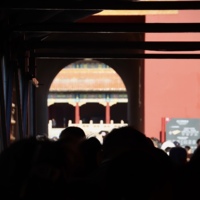 The Palace Museum (Forbidden City)
The Palace Museum is located in the center of Beijing, China. It was built in 1420. It is the royal palace of the emperors of the Ming and Qing…
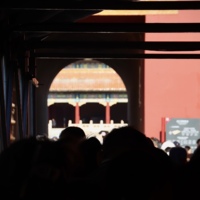 The Palace Museum (Forbidden City)
The Palace Museum is located in the center of Beijing, China. It was built in 1420. It is the royal palace of the emperors of the Ming and Qing…
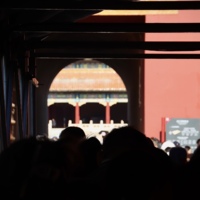 The Palace Museum (Forbidden City)
The Palace Museum is located in the center of Beijing, China. It was built in 1420. It is the royal palace of the emperors of the Ming and Qing…
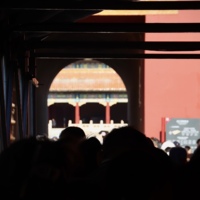 The Palace Museum (Forbidden City)
The Palace Museum is located in the center of Beijing, China. It was built in 1420. It is the royal palace of the emperors of the Ming and Qing…
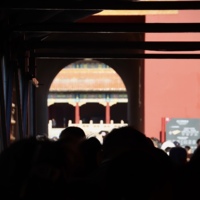 The Palace Museum (Forbidden City)
The Palace Museum is located in the center of Beijing, China. It was built in 1420. It is the royal palace of the emperors of the Ming and Qing…
Located in the center of Beijing, China, the Palace Museum was built in 1420. It was the royal palace of the Ming and Qing dynasties and the largest…
The linked media shows a 2007 street view of Hong Kong at night along Portland street, with a plethora of signs: some LED, some neon. Neon signs…
A 2007 street view of Hong Kong at night along Portland street shows a plethora of signs: some LED, some neon. Neon signs enjoyed its heyday in…
A 2007 street view of Hong Kong at night along Portland street shows a plethora of signs: some LED, some neon. Neon signs enjoyed its heyday in…
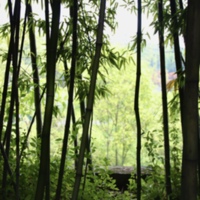 Sichuan Giant Panda Sanctuaries
The Sichuan Giant Panda Sanctuary is located in Sichuan Province, China, and includes the Wolong, Siguniang Mountain and Jiajin Mountain areas. This…
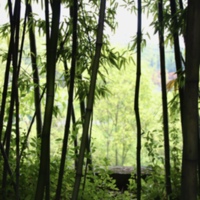 Sichuan Giant Panda Sanctuaries
The Sichuan Giant Panda Sanctuary is located in Sichuan Province, China, and includes the Wolong, Siguniang Mountain and Jiajin Mountain areas. This…
 Sichuan Giant Panda Sanctuaries
The Sichuan Giant Panda Sanctuary is located in Sichuan Province, China, and includes the Wolong, Siguniang Mountain and Jiajin Mountain areas. This…
 Sichuan Giant Panda Sanctuaries
The Sichuan Giant Panda Sanctuary is located in Sichuan Province, China, and includes the Wolong, Siguniang Mountain and Jiajin Mountain areas. This…
 Sichuan Giant Panda Sanctuaries
The Sichuan Giant Panda Sanctuary is located in Sichuan Province, China, and includes the Wolong, Siguniang Mountain and Jiajin Mountain areas. This…
 Sichuan Giant Panda Sanctuaries
The Sichuan Giant Panda Sanctuary is located in Sichuan Province, China, and includes the Wolong, Siguniang Mountain and Jiajin Mountain areas. This…
 Sichuan Giant Panda Sanctuaries
The Sichuan Giant Panda Sanctuary is located in Sichuan Province, China, and includes the Wolong, Siguniang Mountain and Jiajin Mountain areas. This…
 Sichuan Giant Panda Sanctuaries
The Sichuan Giant Panda Sanctuary is located in Sichuan Province, China, and includes the Wolong, Siguniang Mountain and Jiajin Mountain areas. This…
 Sichuan Giant Panda Sanctuaries
The Sichuan Giant Panda Sanctuary is located in Sichuan Province, China, and includes the Wolong, Siguniang Mountain and Jiajin Mountain areas. This…
 Sichuan Giant Panda Sanctuaries
The Sichuan Giant Panda Sanctuary is located in Sichuan Province, China, and includes the Wolong, Siguniang Mountain and Jiajin Mountain areas. This…
A 2007 street view of Hong Kong at night along Portland street shows a plethora of signs: some LED, some neon. Neon signs enjoyed its heyday in…
A 2007 street view of Hong Kong at night along Portland street shows a plethora of signs: some LED, some neon. Neon signs enjoyed its heyday in…
The Sichuan Giant Panda Sanctuary is located in Sichuan Province, China, and includes the Wolong, Siguniang Mountain and Jiajin Mountain areas. This…
A 2007 street view of Hong Kong at night along Portland street shows a plethora of signs: some LED, some neon. Neon signs enjoyed its heyday in…
 Abhainn An T Sluaigh – Traditional Scottish Gaelic Song
This video features the traditional Scottish Gaelic song "Abhainn An T Sluaigh", which translates as "The Crowded River". It is a folk melody rooted…
A 2007 street view of Hong Kong at night along Portland street shows a plethora of signs: some LED, some neon. Neon signs enjoyed its heyday in…
A 2007 street view of Hong Kong at night along Portland street shows a plethora of signs: some LED, some neon. Neon signs enjoyed its heyday in…
A 2007 street view of Hong Kong at night along Portland street shows a plethora of signs: some LED, some neon. Neon signs enjoyed its heyday in…
A 2007 street view of Hong Kong at night along Portland street shows a plethora of signs: some LED, some neon. Neon signs enjoyed its heyday in…
Òran Mòr ("Great Song") refers to a body of traditional Scottish Gaelic songs passed down through oral tradition for centuries in the Highlands and…
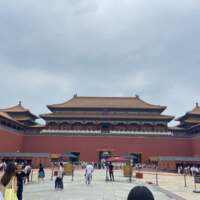 The Palace Museum
The Palace Museum, located in the center of Beijing, China, is the imperial palace of the Ming and Qing dynasties in China. It is now the largest and…
A 2007 street view of Hong Kong at night along Portland street shows a plethora of signs: some LED, some neon. Neon signs enjoyed its heyday in…
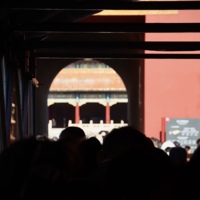 The Palace Museum (Forbidden City)
The Palace Museum, also known as the Forbidden City, is located in the center of Beijing, China. It was the royal palace of the Ming and Qing…
A 2007 street view of Hong Kong at night along Portland street shows a plethora of signs: some LED, some neon. Neon signs enjoyed its heyday in…
The Palace Museum was built in 1420 as the imperial palace of the Ming and Qing dynasties. It is the largest and most complete imperial wooden…
A 2007 street view of Hong Kong at night along Portland street shows a plethora of signs: some LED, some neon. Neon signs enjoyed its heyday in…
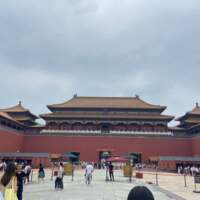 The_Palace_Museum
The main gate of The Palace Museum
A 2007 street view of Hong Kong at night along Portland street shows a plethora of signs: some LED, some neon. Neon signs enjoyed its heyday in…
A 2007 street view of Hong Kong at night along Portland street shows a plethora of signs: some LED, some neon. Neon signs enjoyed its heyday in…
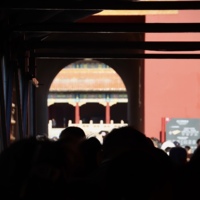 (The Palace Museum / Forbidden City)
The Palace Museum is located in the center of Beijing, China. It was built in 1420 and was the royal palace of the emperors of the Ming and Qing…
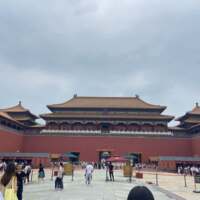 The_Palace_Museum
The Palace Museum, located in the center of Beijing, China, is the imperial palace of the Ming and Qing dynasties in China. It is now the largest and…
Ta Moko is the traditional tattooing practice of the Māori people of Aotearoa (New Zealand), distinguished by intricate spiral patterns carved into…
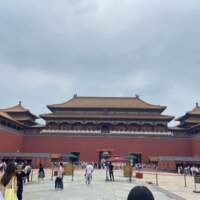 d7cb6ae71d9780fce9fb5c7cb7a800d-7.jpg
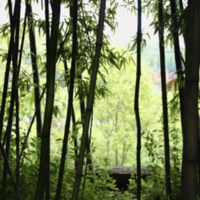 The Sichuan Panda Sanctuary
The Sichuan Giant Panda Sanctuary is located in Sichuan Province, China, including the Wolong, Siguniang Mountain and Jiajin Mountain areas. This area…
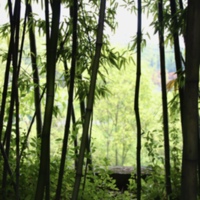 Sichuan Panda Sanctuaries
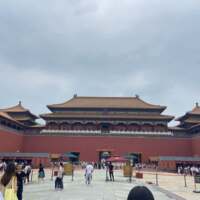 The Palace Museum
The Palace Museum, located in the center of Beijing, China, is the imperial palace of the Ming and Qing dynasties in China. It is now the largest and…
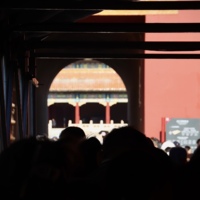 (the palace museum/forbidden city)
The Palace Museum is located in the center of Beijing, China. It was built in 1420. It is the royal palace of the emperors of the Ming and Qing…
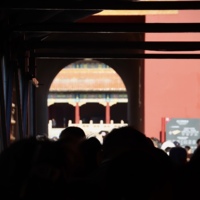 (the palace museum/forbidden city)
The Palace Museum is located in the center of Beijing, China. It was built in 1420. It is the royal palace of the emperors of the Ming and Qing…
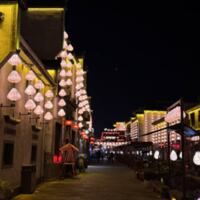 Yixian Ancient Street during Lantern Festival
The ancient streets of Yixian County, located in Anhui Province, China, come alive every year with a vibrant Lantern Festival that illuminates the…
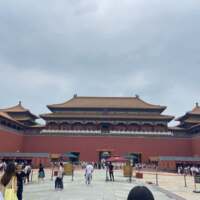 The Palace Museum
The Palace Museum, located in the center of Beijing, China, is the imperial palace of the Ming and Qing dynasties in China. It is now the largest and…
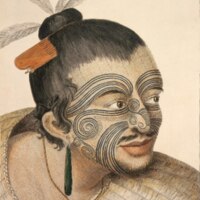 Maori Chief with Ta Moko (1784)
This image depicts a traditional Maori chief with full-face Ta Moko, created by Sydney Parkinson in 1784. It represents the sacred and social identity…
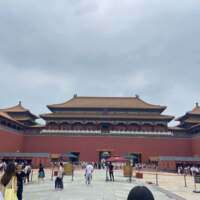 The Palace Museum
The Palace Museum, located in the center of Beijing, China, is the imperial palace of the Ming and Qing dynasties in China. It is now the largest and…
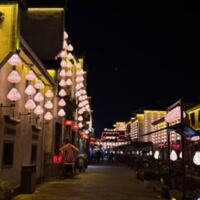 Yixian Lantern Festival Cultural Landscape
The ancient streets of Yixian County, located in Anhui Province, China, come alive every year with a vibrant Lantern Festival that illuminates the…
Located in the heart of Yixian County in Anhui Province, the historic ancient street is a living embodiment of traditional Huizhou culture. Especially…
Located in the heart of Yixian County in Anhui Province, the historic ancient street is a living embodiment of traditional Huizhou culture. Especially…
A 2007 street view of Hong Kong at night along Portland street shows a plethora of signs: some LED, some neon. Neon signs enjoyed its heyday in…
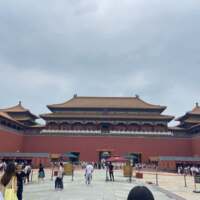 The Palace Museum
The Palace Museum, located in the center of Beijing, China, is the imperial palace of the Ming and Qing dynasties in China. It is now the largest and…
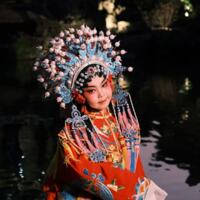 Cantonese Opera
Cantonese opera is a traditional opera widely popular in Guangdong, Hong Kong, Macao and other regions of China. It is famous for its graceful…
 Cantonese Opera
Cantonese opera is a traditional opera widely popular in Guangdong, Hong Kong, Macao and other regions of China. It is famous for its graceful…
The Palace Museum, located in the center of Beijing, China, is the imperial palace of the Ming and Qing dynasties in China. It is now the largest and…
Located in the heart of Yixian County in Anhui Province, the historic ancient street is a living embodiment of traditional Huizhou culture. Especially…
Cantonese opera is a traditional opera widely popular in Guangdong, Hong Kong, Macao and other regions of China. It is famous for its graceful…
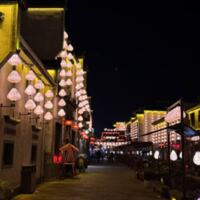 Yixian Lantern Festival Cultural Landscape
The ancient streets of Yixian County, located in Anhui Province, China, come alive every year with a vibrant Lantern Festival that illuminates the…
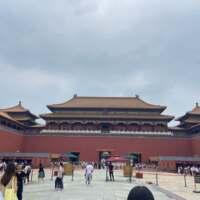 The Palace Museum
The Palace Museum, located in the center of Beijing, China, is the imperial palace of the Ming and Qing dynasties in China. It is now the largest and…
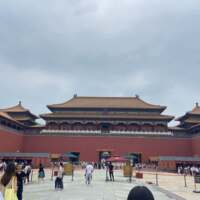 The Palace Museum
The Palace Museum, located in the center of Beijing, China, is the imperial palace of the Ming and Qing dynasties in China. It is now the largest and…
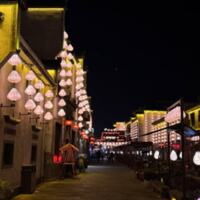 Yixian Old Town Lantern Festival
The ancient streets of Yixian County, located in Anhui Province, China, come alive every year with a vibrant Lantern Festival that illuminates the…
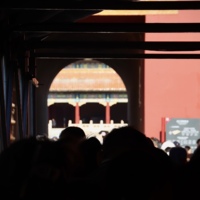 (The Palace Museum / Forbidden City)
The Palace Museum is located in the center of Beijing, China. It was built in 1420. It is the royal palace of the emperors of the Ming and Qing…