Browse Items (4036 total)
The Terracotta Army is a collection of life-sized terracotta sculptures depicting the armies of Qin Shi Huang, the first Emperor of China. Discovered…
The Terracotta Army is a collection of life-sized terracotta sculptures depicting the armies of Qin Shi Huang, the first Emperor of China. Discovered…
The Terracotta Army is a collection of life-sized terracotta sculptures depicting the armies of Qin Shi Huang, the first Emperor of China. Discovered…
The Terracotta Army is a collection of life-sized terracotta sculptures depicting the armies of Qin Shi Huang, the first Emperor of China. Discovered…
The Terracotta Army is a collection of life-sized terracotta sculptures depicting the armies of Qin Shi Huang, the first Emperor of China. Discovered…
The Terracotta Army is a collection of life-sized terracotta sculptures depicting the armies of Qin Shi Huang, the first Emperor of China. Discovered…
The Terracotta Army is a collection of life-sized terracotta sculptures depicting the armies of Qin Shi Huang, the first Emperor of China. Discovered…
The Terracotta Army is a collection of life-sized terracotta sculptures depicting the armies of Qin Shi Huang, the first Emperor of China. Discovered…
The Terracotta Army is a collection of life-sized terracotta sculptures depicting the armies of Qin Shi Huang, the first Emperor of China. Discovered…
The Terracotta Army is a collection of life-sized terracotta sculptures depicting the armies of Qin Shi Huang, the first Emperor of China. Discovered…
The Terracotta Army is a collection of life-sized terracotta sculptures depicting the armies of Qin Shi Huang, the first Emperor of China. Discovered…
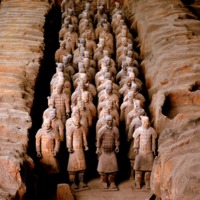 Terracotta Army
The Terracotta Army is a collection of life-sized terracotta sculptures depicting the armies of Qin Shi Huang, the first Emperor of China. Discovered…
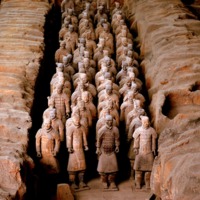 Terracotta Army
The Terracotta Army is a collection of life-sized terracotta sculptures depicting the armies of Qin Shi Huang, the first Emperor of China. Discovered…
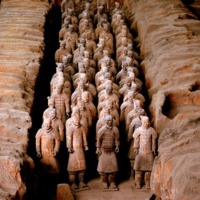 Terracotta Army
The Terracotta Army is a collection of life-sized terracotta sculptures depicting the armies of Qin Shi Huang, the first Emperor of China. Discovered…
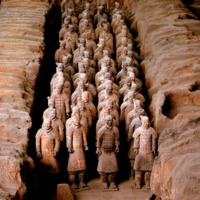 Terracotta Army
The Terracotta Army is a collection of life-sized terracotta sculptures depicting the armies of Qin Shi Huang, the first Emperor of China. Discovered…
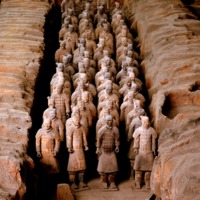 Terracotta Army
The Terracotta Army is a collection of life-sized terracotta sculptures depicting the armies of Qin Shi Huang, the first Emperor of China. Discovered…
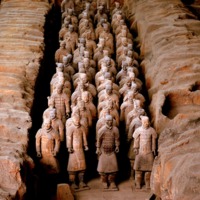 Terracotta Army
The Terracotta Army is a collection of life-sized terracotta sculptures depicting the armies of Qin Shi Huang, the first Emperor of China. Discovered…
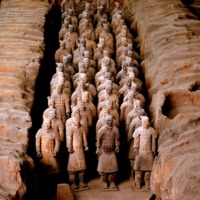 Terracotta Army
The Terracotta Army is a collection of life-sized terracotta sculptures depicting the armies of Qin Shi Huang, the first Emperor of China. Discovered…
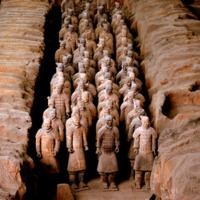 Terracotta Army
The Terracotta Army is a collection of life-sized terracotta sculptures depicting the armies of Qin Shi Huang, the first Emperor of China. Discovered…
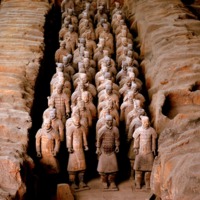 Terracotta Army
The Terracotta Army is a collection of life-sized terracotta sculptures depicting the armies of Qin Shi Huang, the first Emperor of China. Discovered…
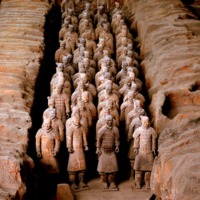 Terracotta Army
The Terracotta Army is a collection of life-sized terracotta sculptures depicting the armies of Qin Shi Huang, the first Emperor of China. Discovered…
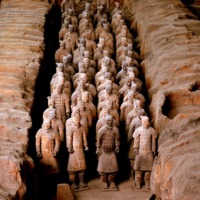 Terracotta Army
The Terracotta Army is a collection of life-sized terracotta sculptures depicting the armies of Qin Shi Huang, the first Emperor of China. Discovered…
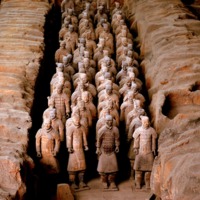 Terracotta Army
The Terracotta Army is a collection of life-sized terracotta sculptures depicting the armies of Qin Shi Huang, the first Emperor of China. Discovered…
The Terracotta Army is a collection of life-sized terracotta sculptures depicting the armies of Qin Shi Huang, the first Emperor of China. Discovered…
 Terracotta Army, China
The Terracotta Army is a collection of life-sized terracotta sculptures depicting the armies of Qin Shi Huang, the first Emperor of China. Discovered…
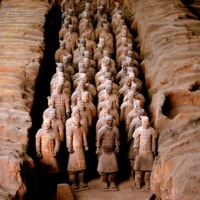 Terracotta Army, China
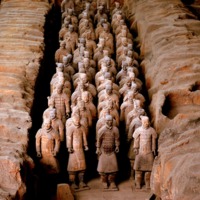 Terracotta Army, China
The Terracotta Army is a collection of life-sized terracotta sculptures depicting the armies of Qin Shi Huang, the first Emperor of China. Discovered…
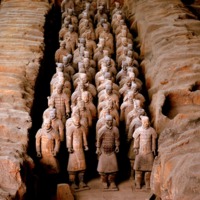 Terracotta Army, China
The Terracotta Army is a collection of life-sized terracotta sculptures depicting the armies of Qin Shi Huang, the first Emperor of China. Discovered…
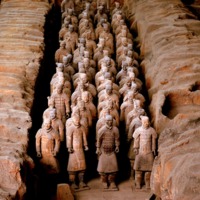 Terracotta Army, China
The Terracotta Army is a collection of life-sized terracotta sculptures depicting the armies of Qin Shi Huang, the first Emperor of China. Discovered…
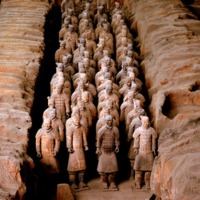 Terracotta Army, China
The Terracotta Army is a collection of life-sized terracotta sculptures depicting the armies of Qin Shi Huang, the first Emperor of China. Discovered…
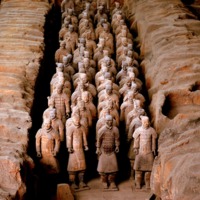 Terracotta Army, China
The Terracotta Army is a collection of life-sized terracotta sculptures depicting the armies of Qin Shi Huang, the first Emperor of China. Discovered…
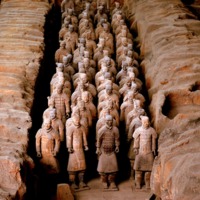 Terracotta Army, China
The Terracotta Army is a collection of life-sized terracotta sculptures depicting the armies of Qin Shi Huang, the first Emperor of China. Discovered…
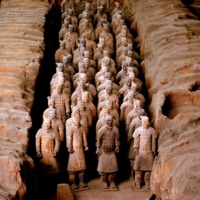 Terracotta Army, China
The Terracotta Army is a collection of life-sized terracotta sculptures depicting the armies of Qin Shi Huang, the first Emperor of China. Discovered…
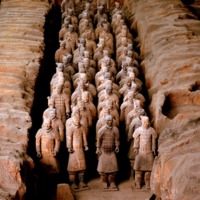 Terracotta Army, China
The Terracotta Army is a collection of life-sized terracotta sculptures depicting the armies of Qin Shi Huang, the first Emperor of China. Discovered…
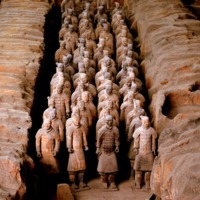 Terracotta Army, China
The Terracotta Army is a collection of life-sized terracotta sculptures depicting the armies of Qin Shi Huang, the first Emperor of China. Discovered…
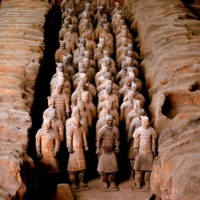 Terracotta Army, China
The Terracotta Army is a collection of life-sized terracotta sculptures depicting the armies of Qin Shi Huang, the first Emperor of China. Discovered…
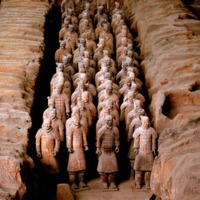 Terracotta Army, China
The Terracotta Army is a collection of life-sized terracotta sculptures depicting the armies of Qin Shi Huang, the first Emperor of China. Discovered…
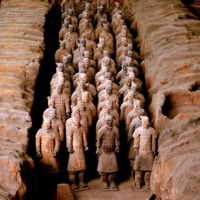 Terracotta Army, China
The Terracotta Army is a collection of life-sized terracotta sculptures depicting the armies of Qin Shi Huang, the first Emperor of China. Discovered…
The Terracotta Army is a collection of life-sized terracotta sculptures depicting the armies of Qin Shi Huang, the first Emperor of China. Discovered…
The Terracotta Army is a collection of life-sized terracotta sculptures depicting the armies of Qin Shi Huang, the first Emperor of China. Discovered…
The Terracotta Warriors, which were created in the Chinese Qin Dynasty (221–206 BCE), were discovered by chance in 1974, and have since become an icon…
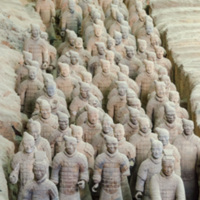 Terracotta Warriors
The Terracotta Warriors, a stunning group of life-size sculptures located in Xi'an, China, is one of the most significant archaeological discoveries…
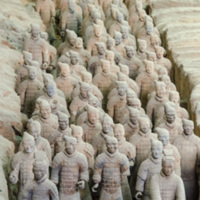 Terracotta Warriors
Terracotta Army in Xi'an, China
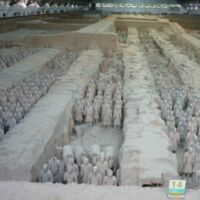 Terracotta Warriors
The Terracotta Warriors, a stunning group of life-size sculptures located in Xi'an, China, is one of the most significant archaeological discoveries…
 Terracotta Warriors
Pit one, which is 230 metres (750 ft) long and 62 metres (203 ft) wide,[30] contains the main army of more than 6,000 figures.[31] Pit one has 11…
The Terracotta Warriors are a collection of ancient Chinese army sculptures located in the tomb area of Qin Shi Huangdi near the present-day city of…
The Terracotta Warriors, a stunning group of life-size sculptures located in Xi'an, China, is one of the most significant archaeological discoveries…
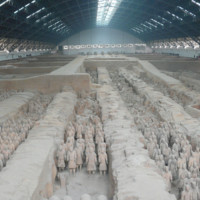 Terracotta_Pano
Description
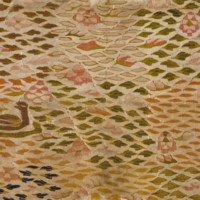 Textile with Aquatic Birds and Recumbent Animal
The free arrangement of animals on a rhythmic background of geometric leafs is typical of Eastern Central Asian textiles of the eleventh to the…
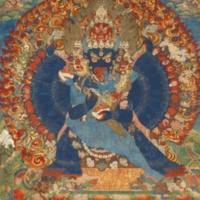 Thangka Depicting Vajrabhairava, ca. 1740, Sotheby's
Thang-ka, usually depicting a Buddhist deity, scene, or mandala. Most Thang-kas were intended for personal meditation or instruction of monastic…
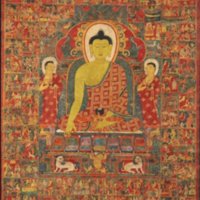 Thangka of Buddha with the One Hundred Jataka Tales, Tibet
Thangka of Buddha with the One Hundred Jataka Tales, Tibet, 13th-14th century, 114.3 x 84.4 cm.
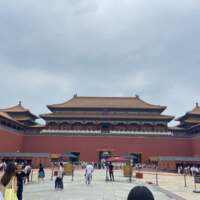 The Palace Museum
The Palace Museum, located in the center of Beijing, China, is the imperial palace of the Ming and Qing dynasties in China. It is now the largest and…
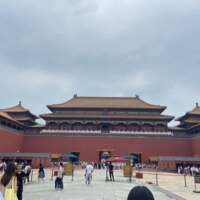 The _Palace _Museum_
The Palace Museum, located in the center of Beijing, China, is the imperial palace of the Ming and Qing dynasties in China. It is now the largest and…
 The Acropolis Basilica Church Sparta
 The Ancient City of Pingyao
Pingyao Ancient City is located in Pingyao County, Jinzhong City, Shanxi Province. It was first built in the period of King Xuan of Zhou Dynasty and…
The Ancient City of Pingyao, located in Shanxi Province, China, is an exceptionally well-preserved example of a traditional Han Chinese city from the…
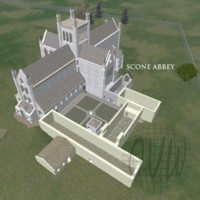 The Augustinian Abbey of Scone – 1390
Scone Abbey, a historic Augustinian abbey in Scotland, was founded in the 12th century and elevated to an abbey in 1169. The abbey was destroyed by a…
 The Batik
Batik, an art of centuries-old textile design known to have come from Indonesia, is identified with the complex designs and patterns developed on the…
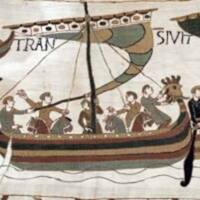 The Bayeux Tapestry, France
The Bayeux Tapestry is an iconic historical artifact that vividly narrates the events leading up to the Norman Conquest of England in 1066. Despite…
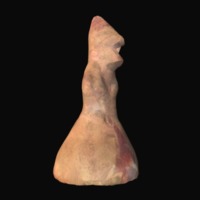 The Bridges Collection
The Bridges Collection was donated to the University of St Andrews by Mrs Bridges of St Andrews. Several cultural periods of Cyprus are represented by…
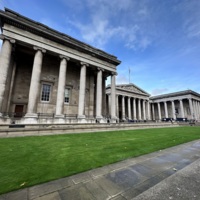 The British Museum
The British Museum is a public museum dedicated to human history, art and culture located in the Bloomsbury area of London. Its permanent collection…
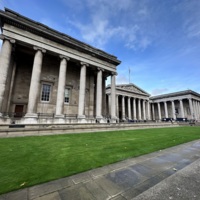 the british museum
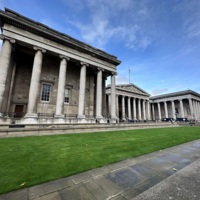 the british museum
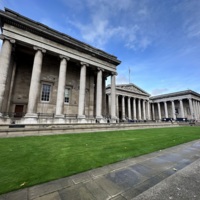 the british museum
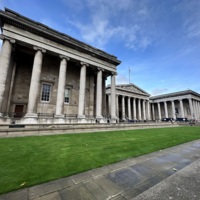 the british museum
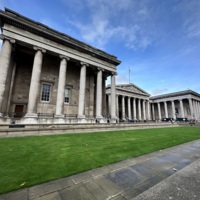 the british museum
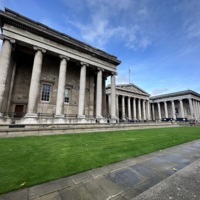 the british museum
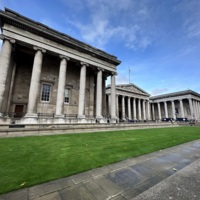 the british museum
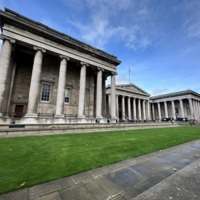 The British Museum
The British Museum is a public museum dedicated to human history, art and culture located in the Bloomsbury area of London. Its permanent collection…
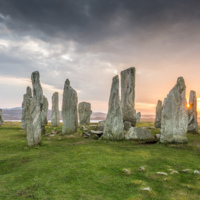 The Calanais Standing Stones During Sunset
The image shows the central stone circle of the Calanais Standing Stones as the sun is setting.
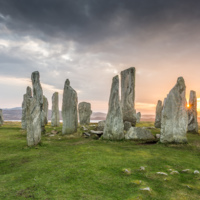 The Calanais Standing Stones During Sunset
The image shows the central stone circle of the Calanais Standing Stones as the sun is setting.
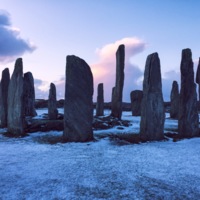 The Calanais Standing Stones in Winter 2016
Snow can be seen on the ground surrounding the Calanais Standing Stones.
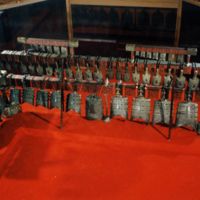 The chime bells of Marquis Yi of Zeng
Bianzhong (pronounced [pi̯ɛ́n t͡ʂʊ́ŋ]) is an ancient Chinese musical instrument consisting of a set of bronze bells, played melodically. China is the…
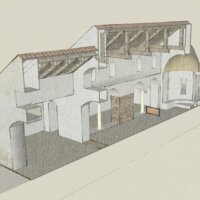 The Church at Velika Castle, Larissa, Greece
Velika castle occupies a hilltop overlooking the Aegean near the modern coastal settlement of the same name in the modern prefecture of Larissa. The…
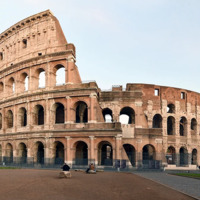 The Colosseum
The Colosseum is one of Rome's most recognizable structures and a testament to the Roman Empire's engineering brilliance. The Colosseum, which was…
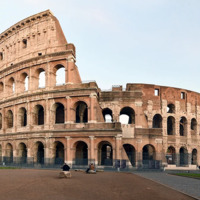 The Colosseum
The Colosseum is one of Rome's most recognizable structures and a testament to the Roman Empire's engineering brilliance. The Colosseum, which was…
 The Cultural Heritage Agency of Iceland
The Dai Water Splashing Festival, also known as the Dai New Year, is a traditional festival celebrated by the Dai ethnic group in China, mainly in…
The Dai Water Splashing Festival, also known as the Dai New Year, is a traditional festival celebrated by the Dai ethnic group in China, mainly in…
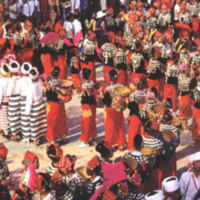 The Dai Water Splashing Festival
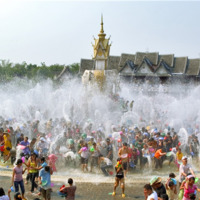 The Dai Water Splashing Festival by
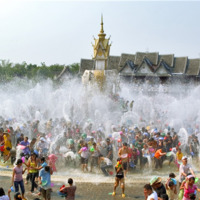 The Dai Water Splashing Festival by Xinhua Net
The Dali Sanyue Festival is a traditional festival of the Bai people, mainly held in Dali Old Town, Dali City, Dali Bai Autonomous Prefecture, Yunnan…
The Dali Sanyue Festival is a traditional festival of the Bai people, mainly held in Dali Old Town, Dali City, Dali Bai Autonomous Prefecture, Yunnan…
The Dali Sanyue Festival is a traditional festival of the Bai people, mainly held in Dali Old Town, Dali City, Dali Bai Autonomous Prefecture, Yunnan…
The Dali Sanyue Festival is a traditional festival of the Bai people, mainly held in Dali Old Town, Dali City, Dali Bai Autonomous Prefecture, Yunnan…
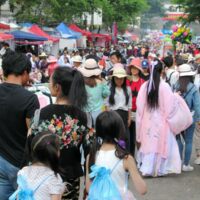 The Dali Sanyue Festival (March Festival)
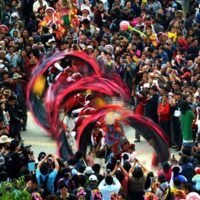 The Dali Sanyue Festival(March Festival)
The Lake District is a cultural landscape in northwest England shaped by glaciers and a long history of agricultural and pastoral practices. Its…
The Everglades National Park in Florida is a UNESCO World Heritage site known for its vast wetlands and rich biodiversity, including species like the…
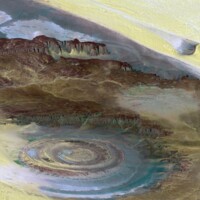 The Eye of Sahara
The Eye of the Sahara, also referred to as the Richat Structure, is a geological phenomenon of significant cultural, historical, and scientific value…
 The Fiordland National Park, Te Wāhipounamu - South West New Zealand World Heritage Area
 The Flow Country
The Flow Country, located in Caithness and Sutherland in northern Scotland, is the largest blanket bog in Europe, covering around 4,000 km². This…