Browse Items (4036 total)
 Logo
Logo Map Key
 Reconstructions Map
 Collaborators
 St Giles Kirk
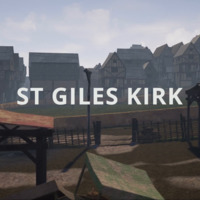
St Giles’ was the most important church in the burgh of Edinburgh (although it was not a cathedral until the 1630s). In 1544 St Giles’ was still a…
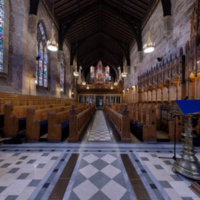 St Salvator's Chapel, St Andrews
The Chapel was founded by Bishop James Kennedy in 1450, and consecrated in October 1460. After this time the Chapel has evolved and been altered into…
Red polished hand made bowl with loop on the rim for threading an attachment to a belt or bag. Thought to be a drinking vessel or multi-purpose bowl.…
 Redware Bowl
White on black ceramic spindle whorl with incised geometric design typical of the period. The white decoration is thought to be a paste which was used…
Plank Figurine. Anthropomorphic design with a halo. Terracotta red painted geometric design which is well preserved. Plank figurines were commonly…
Terracotta fashioned into an anthropomorphic figurine. Red painted geometric design and inside a small hole can clearly be seen where a thread could…
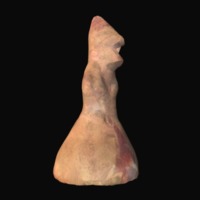 The Bridges Collection
The Bridges Collection was donated to the University of St Andrews by Mrs Bridges of St Andrews. Several cultural periods of Cyprus are represented by…
Twin figurine found in the Xagħra Stone Circle on the island of Gozo (Malta), dated between 4,100 and 2,500 BC. Thought to represent fertility, the…
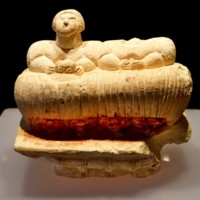 The Xagħra Twin Seated Figure
Twin figurine found in the Xagħra Stone Circle on the island of Gozo (Malta), dated between 4,100 and 2,500 BC. Thought to represent fertility, the…
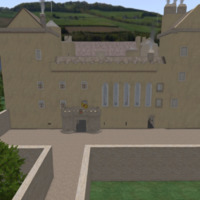 Linlithgow Palace
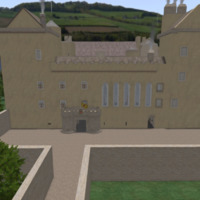 Linlithgow Palace - 1560
The ruins of Linlithgow Palace are situated in the town of Linlithgow, West Lothian, Scotland, 15 miles (24 km) west of Edinburgh. The palace was one…
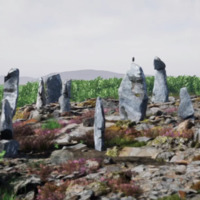 Callanish Site 10
The site sits on top of a hill to the north of the main Calanais site and was excavated by Colin Richards. The site was surveyed and amodel…
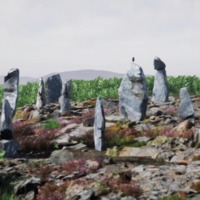 Callanish Stone Circle
Callanish X (also known as "Na Dromannan" and "Druim Nan Eun") Callanish (or "Calanais") Stone Circle. The Isle of Lewis has an extraordinarily rich…
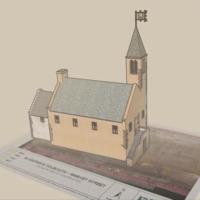 St Andrews tolbooth
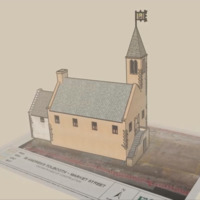 St Andrews Tolbooth - 1565
Location: Middle of Market Street. Date Built: Twelfth to nineteenth centuries. Outlined in the paving on Market Street is the location of St…
 Brora
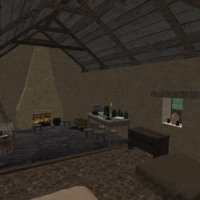
Brora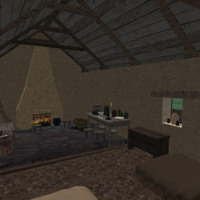 Brora Salt Pans - 16th and 18th century
The Virtual Histories Project was a collaboration between four museums (Eyemouth Museum, Shetland Museum, Taigh Chearsabhagh and Timespan) and the…
 Harlem
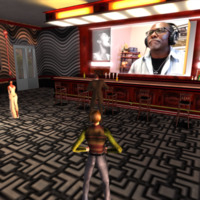
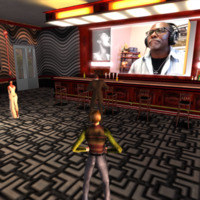 Virtual Harlem - 1920
The Virtual Harlem Project is a virtual representation of Harlem, NY as it existed during the 1920s Jazz Age. Created by Dr Bryan Carter…
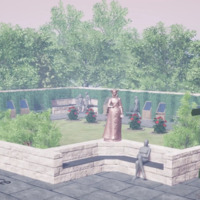 St Andrews Garden
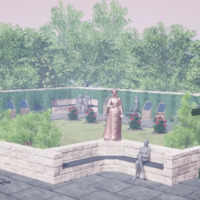 Poets’ Neuk – St Andrews
In 2018, we collaborated with Bill Borthwick from the St Andrews Preservation Trust on a virtual representation of Poets’ Neuk, Mary Queen of Scots…
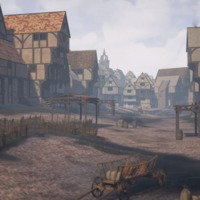 Grassmarket
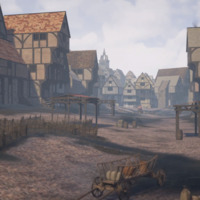 Edinburgh - Grassmarket c1544
Our depiction of Edinburgh and the Canongate was inspired by a drawing in the British Library made by the English military engineer Richard Lee, who…
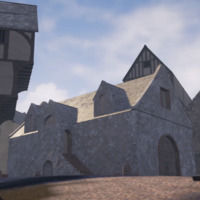 West Bow
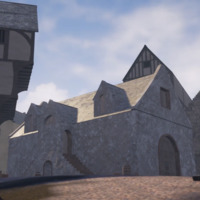 Edinburgh - West Bow c1544
Our depiction of Edinburgh and the Canongate was inspired by a drawing in the British Library made by the English military engineer Richard Lee, who…
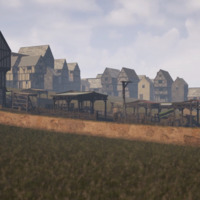 Cowgate
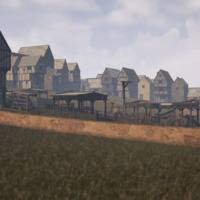 Edinburgh - Cowgate c1544
Our depiction of Edinburgh and the Canongate was inspired by a drawing in the British Library made by the English military engineer Richard Lee, who…
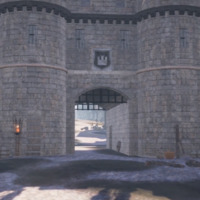 Netherbow Port
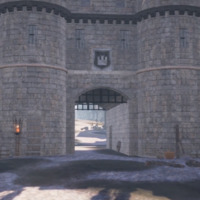 Edinburgh - Netherbow Port c1544
Our depiction of Edinburgh and the Canongate was inspired by a drawing in the British Library made by the English military engineer Richard Lee, who…
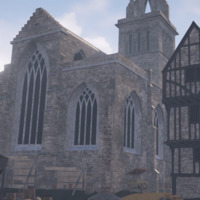 St Giles Kirk
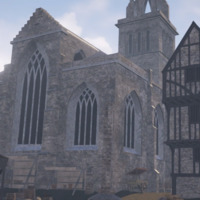 Edinburgh - St Giles Kirk c1544
Our depiction of Edinburgh and the Canongate was inspired by a drawing in the British Library made by the English military engineer Richard Lee, who…
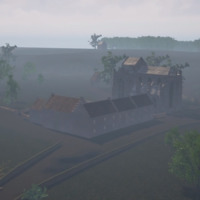 Trinity College
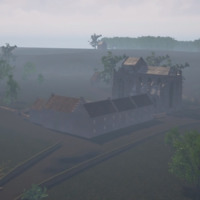 Edinburgh - Trinity College c1544
Our depiction of Edinburgh and the Canongate was inspired by a drawing in the British Library made by the English military engineer Richard Lee, who…
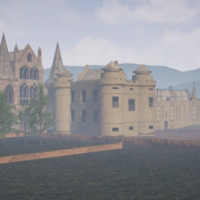 Holyrood Palace
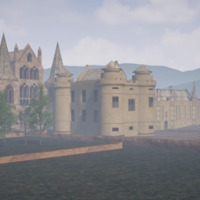 Edinburgh - Holyrood Palace c1544
Our depiction of Edinburgh and the Canongate was inspired by a drawing in the British Library made by the English military engineer Richard Lee, who…
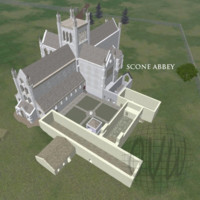 Scone Abbey
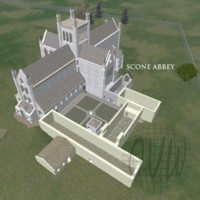 The Augustinian Abbey of Scone – 1390
Scone Abbey, a historic Augustinian abbey in Scotland, was founded in the 12th century and elevated to an abbey in 1169. The abbey was destroyed by a…
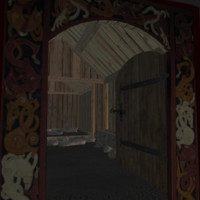 Mosfell
Mosfell is in the region East of Reykjavik, Iceland. In 2007, (Scandinavian Section, and the Cotsen Institute of Archaeology, UCLA) was awarded a…
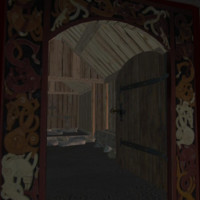 Iceland - Viking Mosfell 1063
Working with the Mosfell Archaeological Project (MAP) – members of the MAP Project, Davide Zori Phd and Professor Jesse Byock. Mosfell is in the…
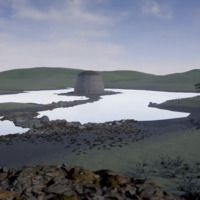 Dun an Sticer
Dun an Sticir is an example of how in mediaeval times the original Iron Age 'brochs', hollow walled windowless fortifications often built on islands…
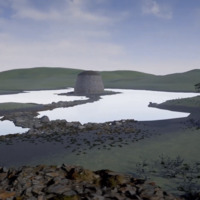 Dun an Sticir - Iron Age Broch
The site of Dun an Sticir on North Uist forms a reminder of how different societies adapted and reused structures over time. About 2000 years ago a…
 Berwickshire Marine Reserve
 Berwickshire Marine Reserve
The Berwickshire Marine Reserve was established in the 1980s to protect the remarkable coastal waters between Eyemouth and St Abbs Head. This area of…
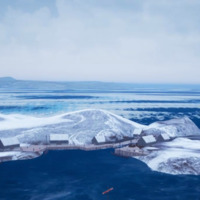 Loch na h-Airde - Viking Dockyard on Skye
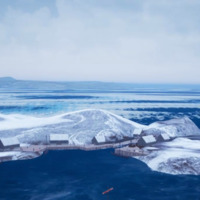 Loch na h-Airde Viking Dockyard - The 12th c. Viking Dockyard on Skye
Our Viking Dockyard reconstruction was part of an exclusive video ' Skye Story' created for the AROS Centre on Skye. Cupido started 1st of September…
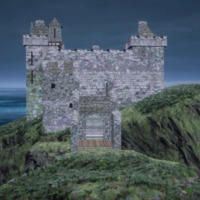 Dunscaith Castle
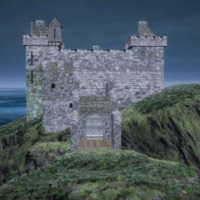 Skye - Dunscaith Castle - 1300
Our Dunscaith reconstruction is part of an exclusive video ' Skye Story' created for the AROS Centre on Skye. Cupido started 1st of September 2018. As…
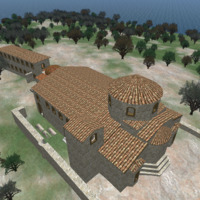 Spartan Basilica
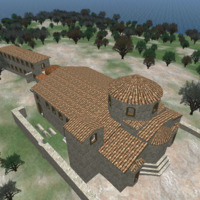 Laconia Acropolis Virtual Archaeology (LAVA) Project
The Laconia Acropolis Virtual Archaeology project (LAVA) is a cooperative archaeological learning environment developed to address the need for…
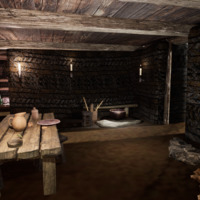 Skriðuklaustur Monastery
Skriðuklaustur was the last Catholic monastery to be founded in Iceland before the Reformation. In June 1500 the farm of Skriða (in the valley of…
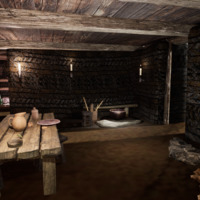 Skriðuklaustur Monastery - 1550
The Skriðuklaustur cloister was the last one to be founded during Iceland’s Catholic period, i.e. shortly before the country’s 16th-century…
 St Kilda
 St Kilda - 1880
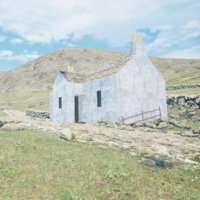
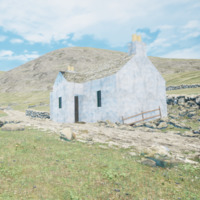
We created the very successful 'Virtual St Kilda' exhibit for Taigh Chearsabhagh Museum, North Uist in 2014 and again as an updated exhibit with…
 Fethaland Fishing Station
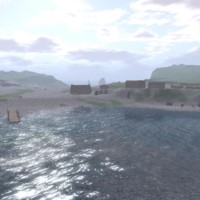
Using archaeological survey data and PointCloud scan data, we have created an accurate 3D interactive reconstruction of Fethaland fishing station as…
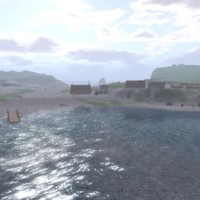 Fethaland Fishing Station - 1890
Using archaeological survey data and PointCloud scan data, we have created an accurate 3D interactive reconstruction of Fethaland fishing station as…
 Skye
Skye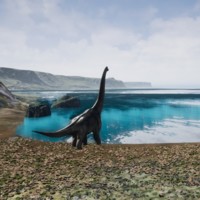 Skye - Jurassic
Jurassic Skye was created as part of an exclusive video, ' Skye Story' created for the AROS Centre on Skye. Cupido started 1st of September 2018. As…
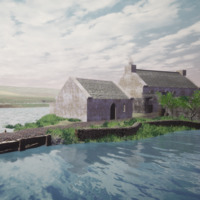 Finlaggan
ase. The two islands of Eilean Mor (or Large Isle) and Eilean na Comhairle (or Council Isle) on Loch Finlaggan were the site of a major residence of…
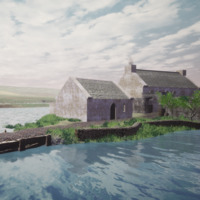 Finlaggan - Lords of the Isles 15thc
"In the late medieval period, Loch Finlaggan in Islay of the Inner Hebrides was an important power base. The two islands of Eilean Mor (or Large Isle)…
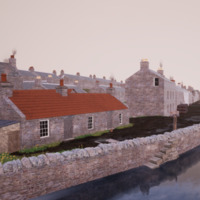 Helmsdale
Helmsdale, a fishing village on the North East coast of Scotland.
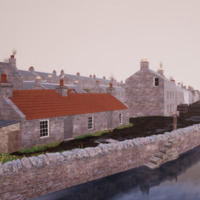 Helmsdale - 1890
During the nineteenth century the village of Helmsdale in Sutherland was one of the largest centres for herring fishing in Scotland. The village and…
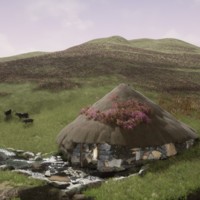 Kildonan
During the Iron Age the Strath of Kildonan in Sutherland was home to many small farming communities. The relatively mild climate of this period…
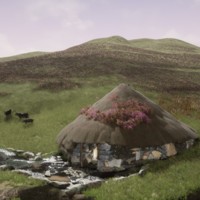 Cean Roundhouse 500BC
During the Iron Age the Strath of Kildonan in Sutherland was home to many small farming communities. The relatively mild climate of this period…
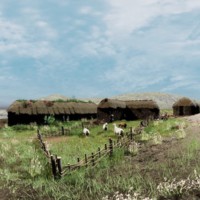 Caen Highland Township
The settlement of Caen is located a few miles north of the fishing village of Helmsdale along the Strath of Kildonan road. It is located in a narrow…
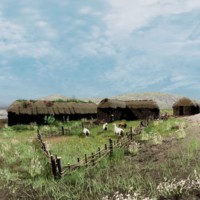 Caen Highland Township - 1813
During the eighteenth and nineteenth centuries, the inhabitants of many small farming communities in the Scottish Highlands were forced to leave their…
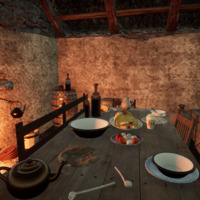 Bennachie Colony
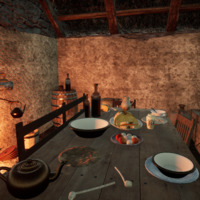 Bennachie Colony - 1850
During the early nineteenth century crofters driven out from their original homes settled on common land at Bennachie in Aberdeenshire. They…
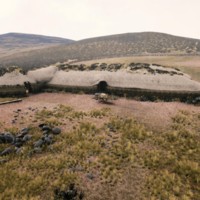 Lair Longhouses, Glenshee
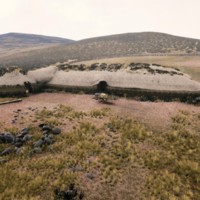 Lair Longhouses, Glenshee - 800
This video was created in conjunction with Perth & Kinross Heritage Trust and the University of St Andrews, School of Computer Science, Open Virtual…
 Illicit Whisky Still
 Illicit Whisky Still - 1820
The Illicit Still Experience engages audiences in the area’s unique history in illegal whisky creation and smuggling. The area is now known for famous…
 Cottown Clay House
Buildings that were “made out of the ground upon which they stood” were once the most common vernacular structures in parts of Scotland.
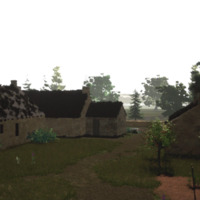 Cottown Clay House - 1850
Earth houses have a long history in the British Isles. Today many people still admire the picturesque mudwall or ‘cob’ cottages of Devon and Somerset.…
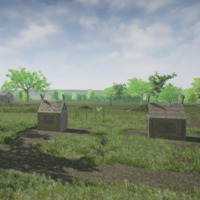 Forteviot Pictish Cemetery
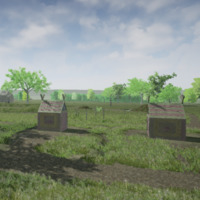 Forteviot Pictish Cemetery - 850
Forteviot was once a Royal Pictish Kingdom. It is where King Kenneth McAlpin united the gaels and picts. This is a reconsturction of a cemetery…
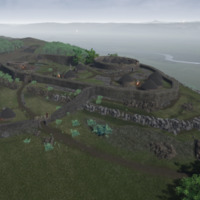 Moredun Top Hillfort
 Moredun Top Hillfort - 50
Hillforts feature regularly on the landscape of the Ochil and Sidlaw hills and a number have been excavated and studied in the past. Many of those…
 Perth
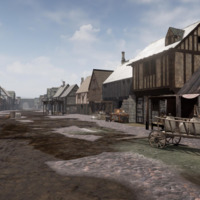
Perth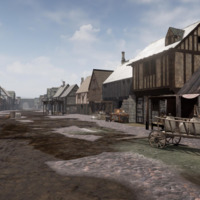 Perth - 1440
This reconstruction was created as part of the Tayside Landscape Partnership in collaboration with Perth and Kinross Heritage Trust. It was part of…
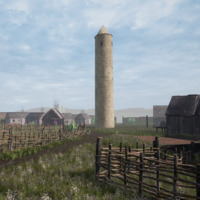 Abernethy
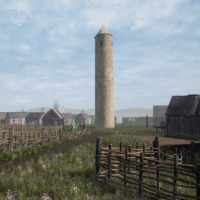 Abernethy - 1072
In 1072 the small Scottish village of Abernethy was the site of a meeting between the King of Scots, Malcolm Canmore, and William of Normandy (who had…
 Eyemouth Fort
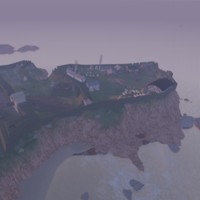 The French Fort at Eyemouth - 1557
The fort at Eyemouth changed the course of history, and not just that of Scotland, it played a significant role in the relationships between Scotland,…
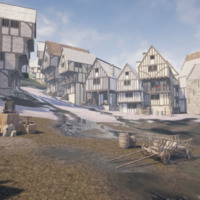 Edinburgh
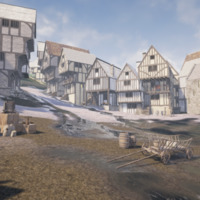 Edinburgh - A City in Crisis 1544
So what is important about 1544? In the spring of 1544, the English king Henry VIII ordered a vast army of about fifteen thousand men north to…
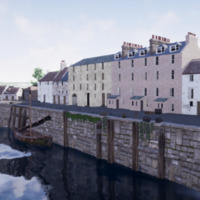 St Andrews Harbour
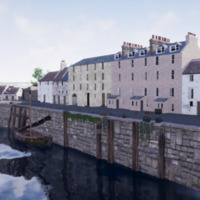 St Andrews Harbour - 1921
A short clip depicting St Andrews Harbour in 1921. A collaborative project with the St Andrews Preservation Trust. Today, the Scottish burgh of St…